Tokyo travel guide: What to do, eat and where to stay
Ancient shrines, neon-lit streets, hidden bars and some of the world’s most memorable food – discover the sights, flavours and neighbourhoods that make Tokyo endlessly captivating.
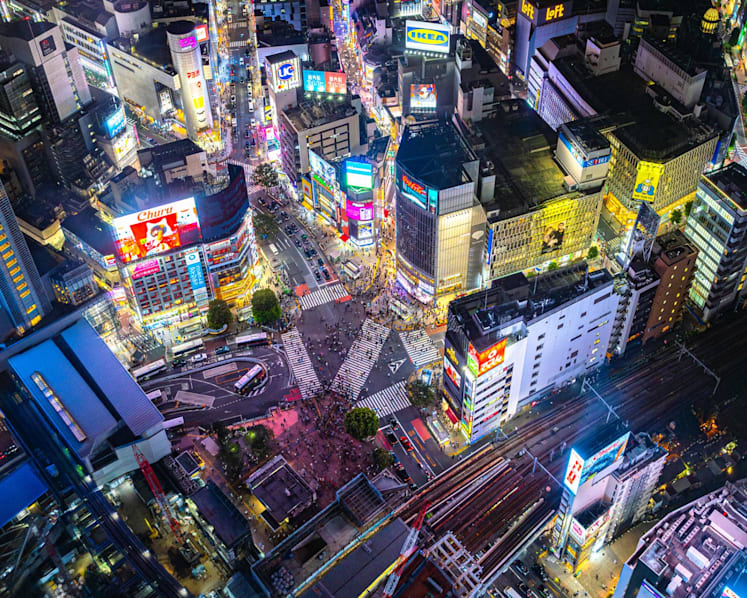
Tokyo is a city of contrasts, where neon-lit streets, centuries-old traditions and distinct neighbourhoods come together in one sprawling metropolis. (Photo: iStock)
Visiting Tokyo for the first time can feel like stepping into the future and the past at once. This vast, ever-shifting metropolis is all about contrasts: centuries-old shrines tucked beside glass towers and quiet gardens a few train stops from the neon storm of Shibuya. It is precisely this tension between modern spectacle and quiet tradition that makes Tokyo endlessly captivating. The city’s scale can be dizzying (crossing it can take hours) but each neighbourhood rewards curiosity, with its own rhythm, flavours and gems. Each spring, cherry blossoms blanket parts of the city, their pale pink petals drawing crowds to parks, riverbanks and leafy streets.
This guide offers what you need to know to plan your inaugural trip — and future visits as well — to a city that has drawn a surge of visitors lured by a weak yen and long-postponed wanderlust post-Covid. Temple courtyards may be filled with selfie sticks, but pockets of stillness remain, if you know where to look.
WHAT TO DO
The Essentials
No first trip to Tokyo is complete without these iconic places and experiences.
Cherry Blossoms
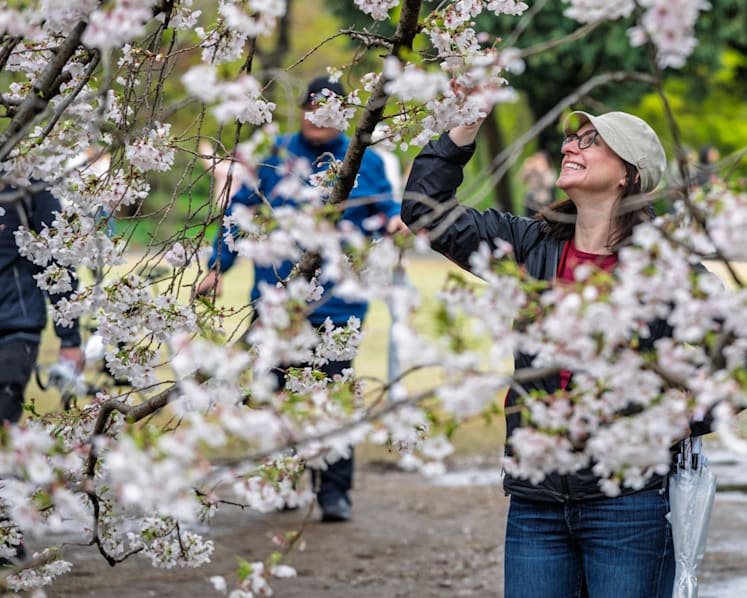
In late March and early April, Tokyo’s cherry trees bloom, creating pink-canopied streets and parks across the city. The season centres on hanami, the long-standing custom of gathering beneath the blossoms with friends or colleagues for food and drinks, from casual picnics to organized office parties. Popular riverside stretches and major parks fill quickly, especially on weekends. Enjoy picnics along the Meguro River or head to Kinuta Park in Setagaya or Aoyama Cemetery in Aoyama, both popular during the season but generally less congested than the city’s busiest blossom spots.
Tip: Arrive early or on weekdays when it’s less crowded.
Shibuya Crossing
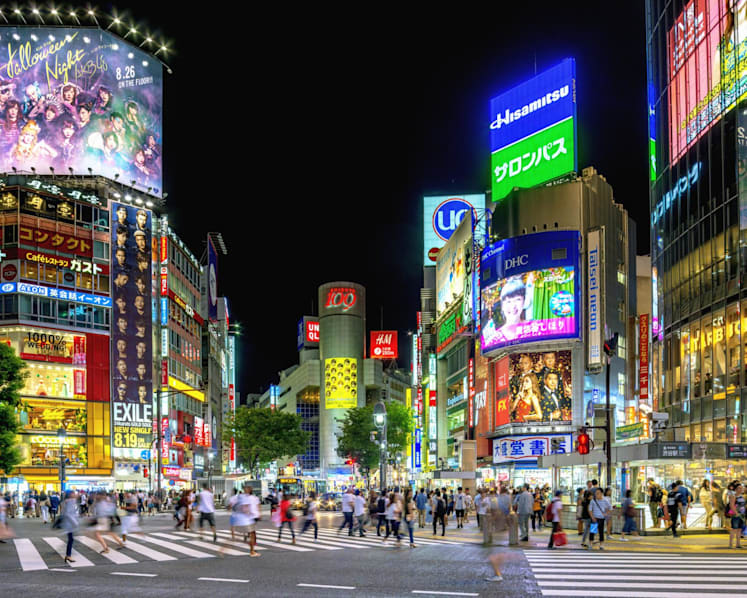
Tokyo’s most famous intersection is a spectacle of motion and light, which hundreds of pedestrians surge across from all directions beneath vast neon screens. For a sweeping view, head to Shibuya Sky, the rooftop observatory with a dazzling panorama of the city. And for a free vantage point, watch the crossing from the bridge linking Shibuya Station to Mark City.
Meiji Shrine and Harajuku
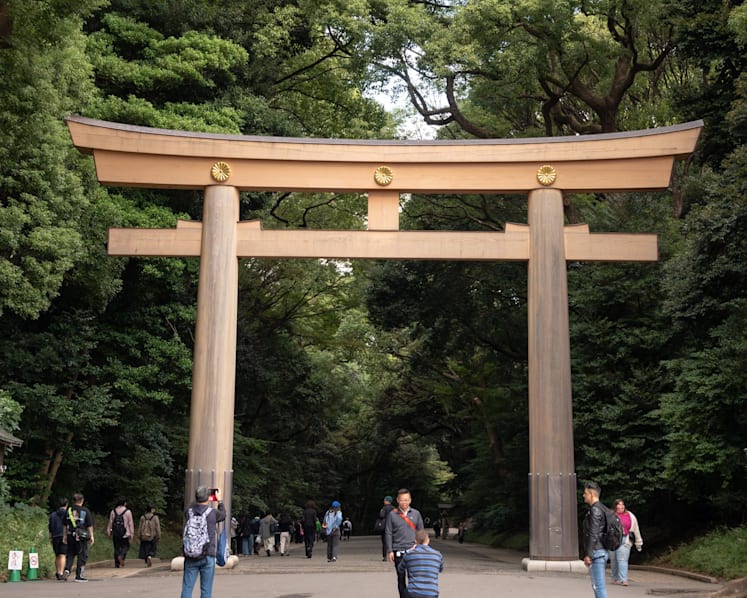
The shrine is reached by a quiet forested path. The Shinto sanctuary, honouring Emperor Meiji and Empress Shoken, who led Japan’s modernisation in the 19th century, offers a moment of stillness in central Tokyo. Afterward, explore the nearby district of Harajuku, including Cat Street, the winding pedestrian street in an area known for its hip youth culture and cutting-edge fashion.
Zojo-ji Temple and Tokyo Tower
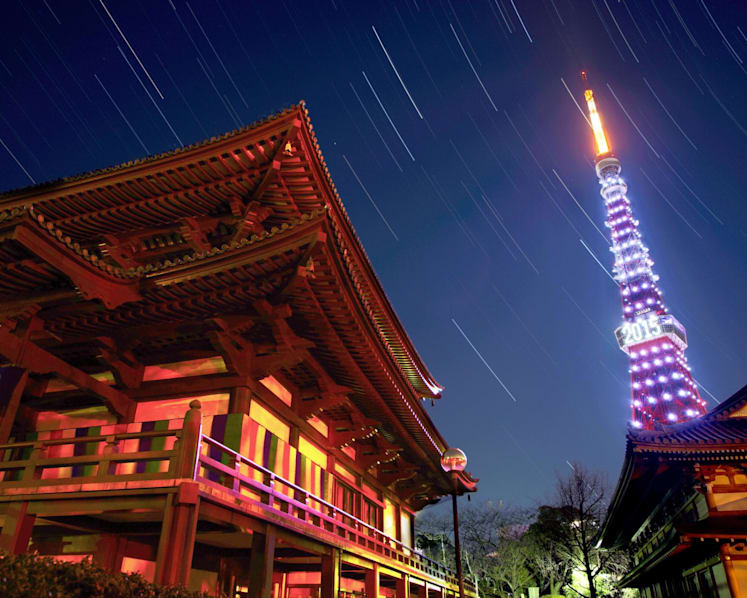
Visit Zojo-ji Temple, a 17th-century Buddhist sanctuary beneath the red-and-white Tokyo Tower. The contrast between the temple’s wooden architecture and the gleaming steel spire behind it makes this one of the city’s most photogenic viewpoints. Stroll through manicured grounds, where rows of small stone statues honour children who have died. Listen for the temple’s bronze bell, marking time for centuries.
Senso-ji and Asakusa
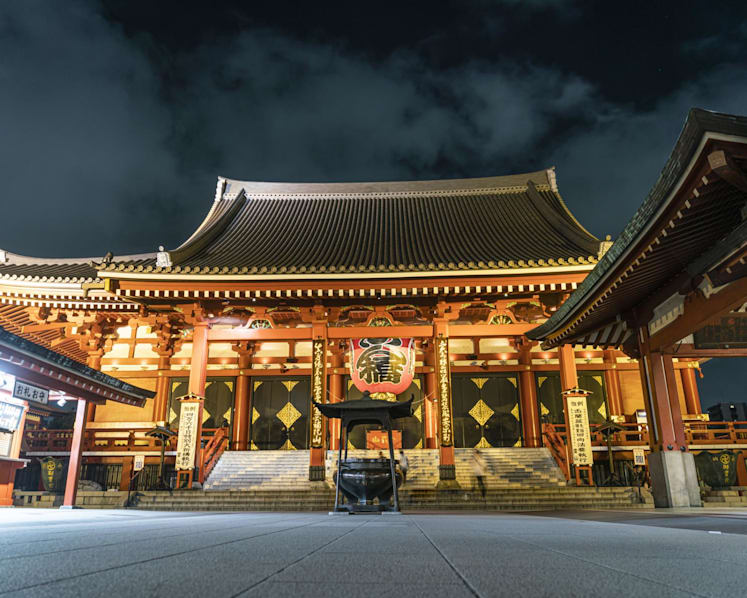
Tokyo’s oldest temple, Senso-ji, sits at the heart of the historic Asakusa district. Approach through Nakamise, a bustling pedestrian street with stalls offering traditional snacks and souvenirs. Try melon pan (a sweet bun), senbei (a rice cracker) or matcha-flavoured ice cream, enjoyed right beside the vendor. Visitors can rent a kimono and even hire a photographer to capture a stroll through the neighbourhood’s charming streets.
Shinjuku
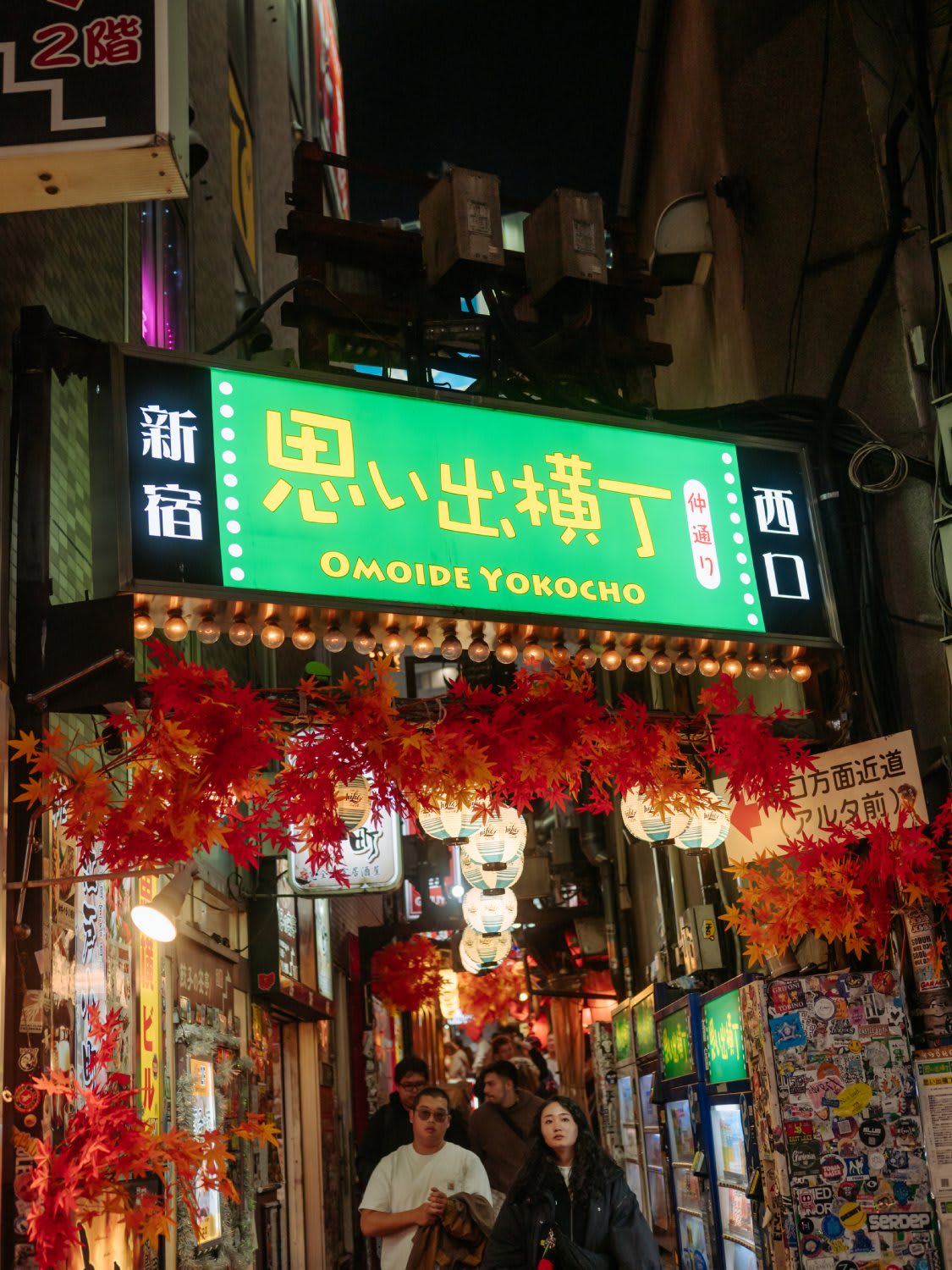
This district is a feast for the senses, from the Godzilla head atop a skyscraper to glittering department stores and neon signs. Stop for a tempura meal at Tsunahachi, a beloved local favourite, before exploring the neighbourhood’s more intimate corners. As night falls, wander into Omoide Yokocho, or “Memory Lane,” a narrow alley lined with casual yakitori bars and late-night street food stalls.
Toyosu Market
For an unforgettable breakfast, head to Toyosu Market before sunrise and join the queue at Sushi Dai, which opens at 6am. Savour some of Tokyo’s freshest sushi at the counter, and then explore the market’s stalls to watch the city’s seafood trade in action. The bustling vendors, colourful produce and rhythmic pace offer a rare glimpse into daily culinary rituals.
Onsen and sento etiquette
Before entering a Japanese onsen (natural hot spring) or sento (public bathhouse), it’s essential to wash thoroughly at the shower stations. Bathing suits aren’t allowed; you must enter completely naked (there are separate areas for men and women).
Use the small towel provided to clean yourself, but never dip it in the water; rest it on your head or bathside. Keep your hair tied up to avoid contact with the water.
Phones and cameras are strictly banned to protect privacy, and swimming or splashing is prohibited; onsens are for quiet soaking. Tattoos may be restricted, so check ahead. Enter slowly, rinse between baths, and stay hydrated for a respectful and relaxing experience.
TOP ATTRACTIONS
From serene shrines to neon-lit streets, Tokyo surprises at every turn. These points of interest and cultural rituals are on the city’s A-list of wonders.
Gotokuji Temple
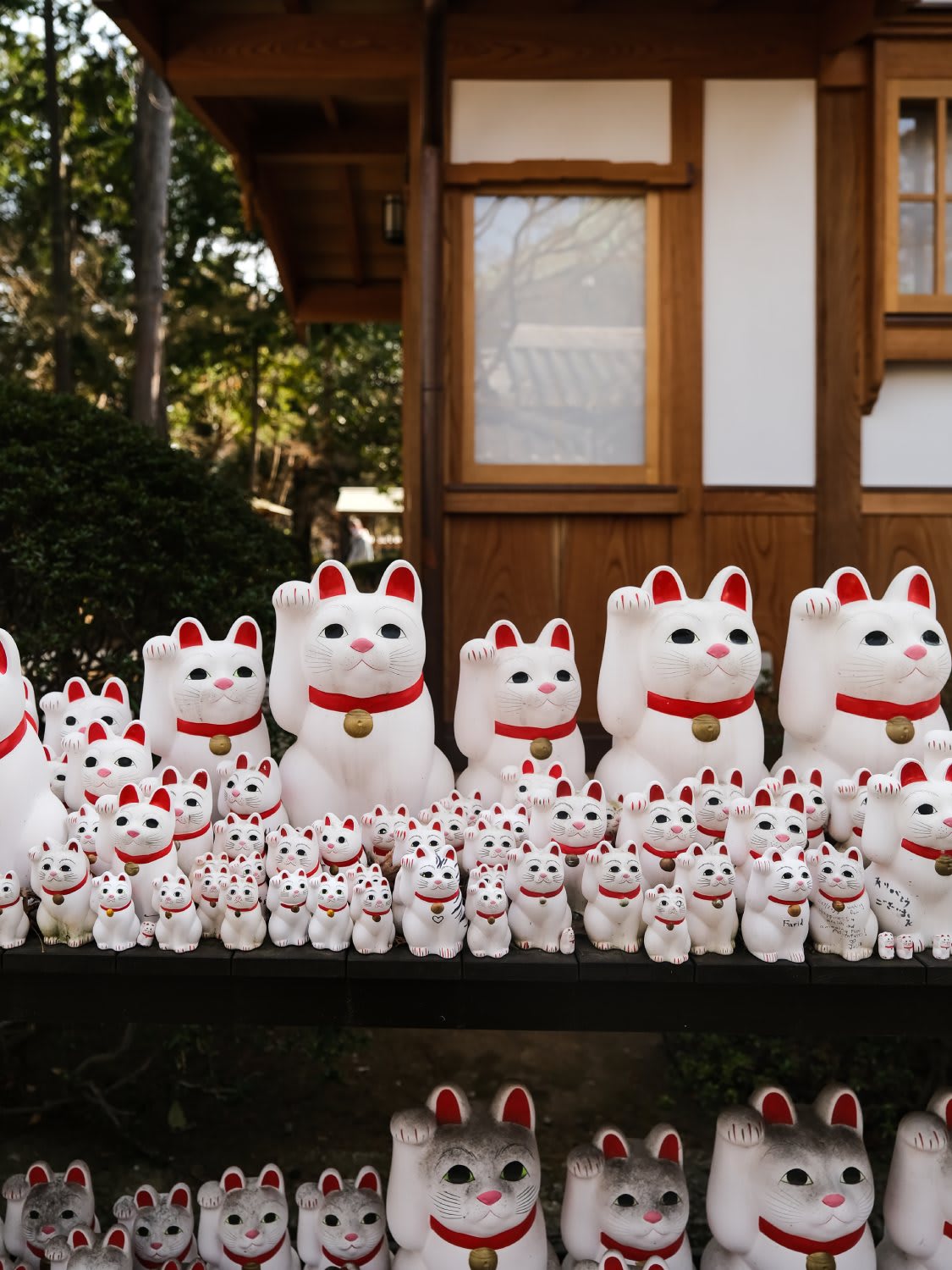
Nicknamed the Cat Temple, this site is famed for its thousands of Maneki Neko figurines, small beckoning cats thought to bring luck and prosperity, which line the grounds and the temple halls. Arrive early to wander peacefully among them.
Tip: Indulge in homemade pastries at Butter Baby ($) and then head to Iron Coffee ($) for a caffeine boost and a side of vintage watch hunting at L o’clock.
Ginza
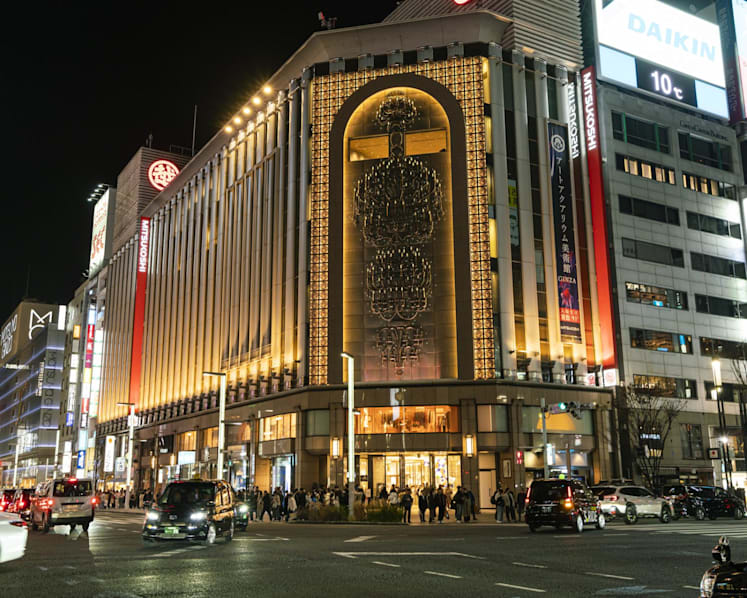
This upscale district is known for luxury stores, striking architecture and famous department stores. Visitors can also book a performance at Kabuki-za Theatre, featuring the centuries-old art form mixing stylised drama, music and dance.
Tip: Walk to Turret Coffee ($) and sample its delicious lattes in extra large round cups. The coffee shop with sweets was famously visited by Taylor Swift.
TeamLab Planets
This immersive digital art museum in the Toyosu neighbourhood lets barefoot visitors explore watery, interactive installations that blend art, technology and nature. Walking into the mirrored rooms and shallow water draw visitors into the artworks. Book ahead as it’s popular.
Tip: Don’t wear a skirt (mirrored floors).
Hamarikyu Gardens
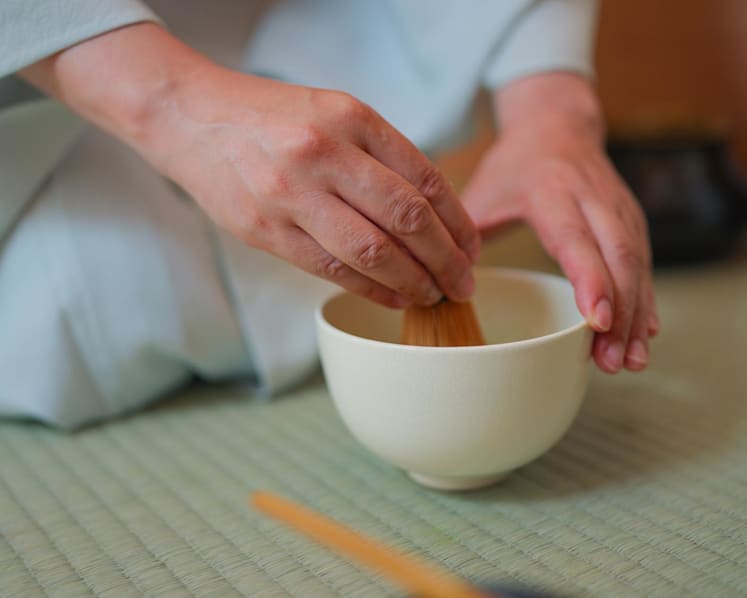
A traditional teahouse here offers tea ceremonies that blend quiet ritual with precise movements, from whisking the matcha to the choreography of “turning the bowl,” the practice of showing off a bowl’s most aesthetically pleasing side to the guest.
Tip: For a modern twist on tea, visit Sakurai ($$) in Aoyama or Higashiya ($$) in Ginza.
Sumo Practice Viewing
Morning sumo practice offers an intimate, behind-the-scenes look at one of Tokyo’s defining rituals, from intense training sessions to wrestler routines, and a chance for memorable photos. Sample chanko-nabe, the hearty hot pot traditionally eaten by wrestlers to build strength.
Tip: Book a tour of the sumo training facilities. Visits must be booked through a tour operator such as Klook, GetYourGuide or Sumo Experience, to name a few.
Roppongi
This district offers art and city views: Visit the Mori Art Museum, reopening Dec 3, in the Roppongi Hills complex, then head to Tokyo City View, an indoor observation deck, for sunset vistas and check out the galleries Taro Nasu and Perrotin.
Tip: Fuel up at Streamer Coffee Company ($) before exploring.
Imperial Palace Gardens
A tranquil escape in central Tokyo, the lush landscapes, historic ruins and elegant architecture offer postcard-worthy views. It’s a rare pocket of calm, where skyscrapers rise behind centuries-old moats and manicured gardens.
Tip: Visit early in the morning to enjoy a peaceful stroll before the crowds arrive.
Kappabashi
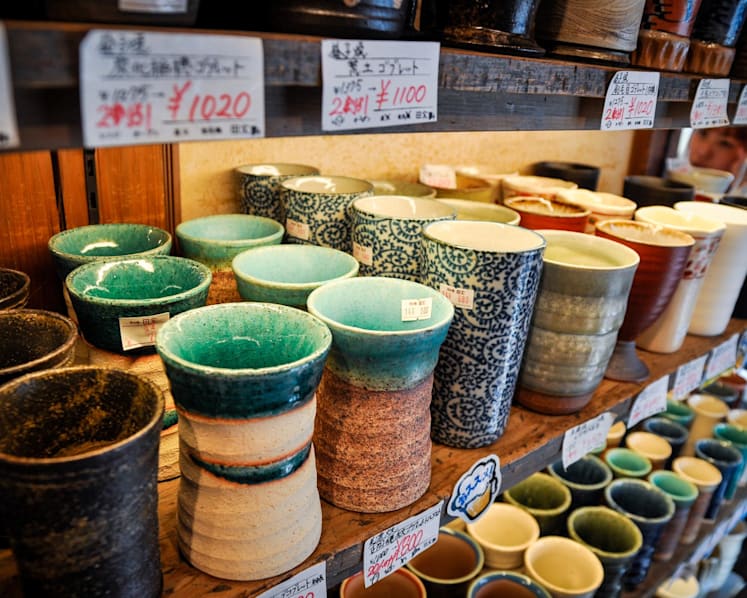
Also known as Kitchen Town, this district is a paradise for food lovers, with specialty shops selling sleek knives, unique kitchenware and the hyper-realistic plastic replicas of dishes shown in restaurant display windows.
Tip: Stop by a shop selling plastic food replicas for a fun souvenir or a quirky photo opportunity.
Karaoke
Sing in private rooms, revelling in the city’s electric nightlife. Many of the city’s nightlife clusters are in Shinjuku and Shibuya. Look for bright signs and rent a booth by the hour at chains like Big Echo and Karaoke Kan.
Tip: Some venues let you rent costumes for added fun.
Yamanote Line
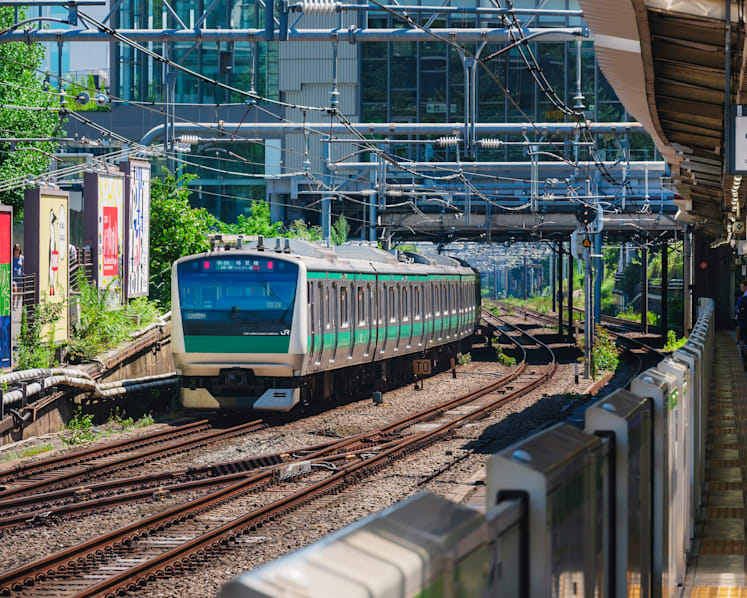
Ride Tokyo’s iconic Yamanote Line, a circular train route for good people-watching and a window into the city’s daily rhythms. Then, stop by one of Tokyo’s famous convenience stores for snacks, drinks and a taste of local life.
Tip: To ride like a local, avoid phone calls and don’t eat or drink on the train.
NEIGHBOURHOODS
It doesn‘t matter if you’re a foodie, a shopper, an anime fan, a history buff or a night owl, Tokyo has a neighbourhood to match every interest.
Omotesando
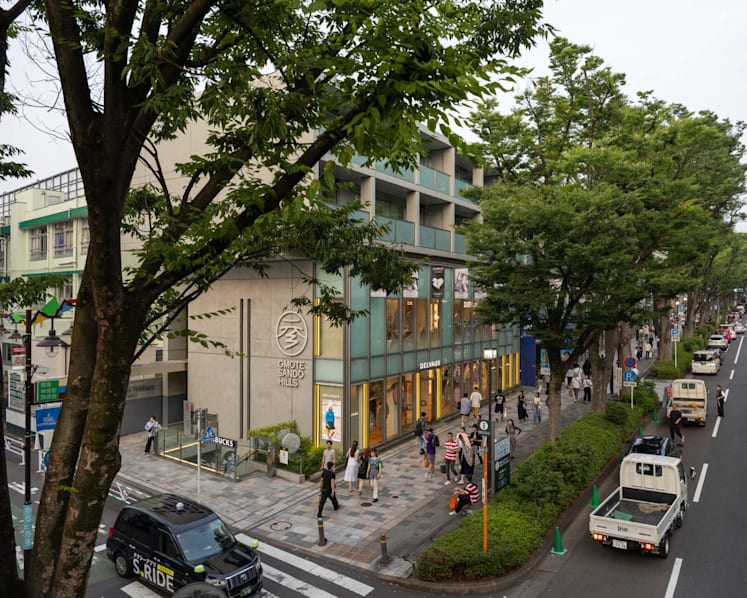
The area around this tree-lined boulevard feels effortlessly stylish, with sleek architecture and a parade of well-dressed locals. The nearby Nezu Museum offers a tranquil garden escape amid the bustle, while neighbouring Aoyama adds a quieter, artsy vibe with designer boutiques and intimate cafes.
Best for: Fashionistas, architecture enthusiasts
Stay at: The Aoyama Grand Hotel ($$$)
Things to do: Nezu Museum, Prada building, Amore Vintage
Where to eat: Citron ($$), Lakan-ka ($$), Ukai-tei ($$$)
Daikanyama
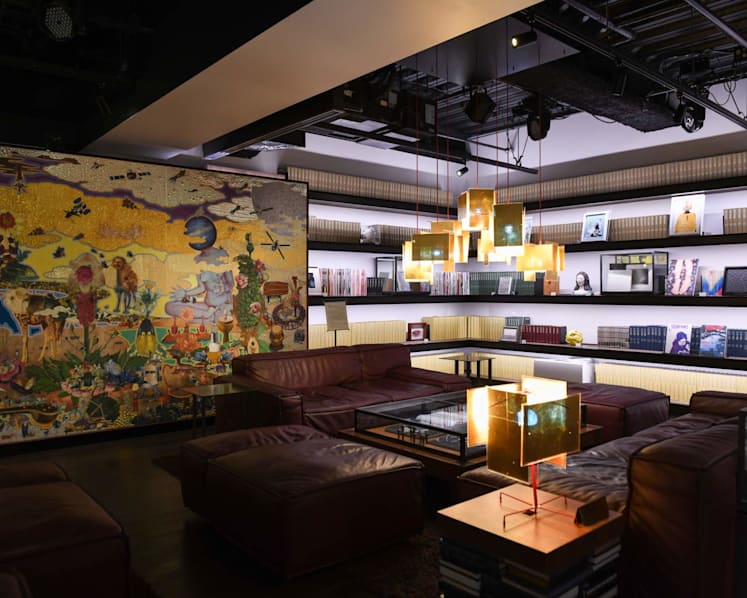
This laid-back neighbourhood, along with adjacent Ebisu, are known for hip cafes, stylish boutiques and an easy-going charm. Daikanyama’s leafy streets and hidden gems, including tucked-away galleries, design shops and bookstores, give it an artsy feel, while Ebisu abounds with restaurants and bars. Both are perfect for slow wandering, people-watching and discovering a quieter side of the city.
Best for: Foodies, creatives, fashionistas
Stay at: Ebisuholic ($$)
Things to do: Tokyo Photographic Art Museum, Daikanyama T-Site
Where to eat: Yakitori Ebisu Kicho ($$), Janai Coffee ($$), Bar Trench ($$)
Shimokitazawa
Gentrified but not yet tamed, “Shimokita,” as locals call it, remains one of the city’s most vibrant corners, best explored after dark. Its rebel heart still beats. Vintage shops, indie record stores and tucked-away bars keep the neighbourhood cool, drawing Tokyo’s creatives and night owls.
Best for: Vintage clothing and vinyl fanatics
Stay at: Mustard Hotel ($)
Things to do: Explore thrift shops like Trefac; see live music at Shelter or Spread
Where to eat: Dashinsoan ($), Rojiura ($), Little Soul ($)
Yanaka
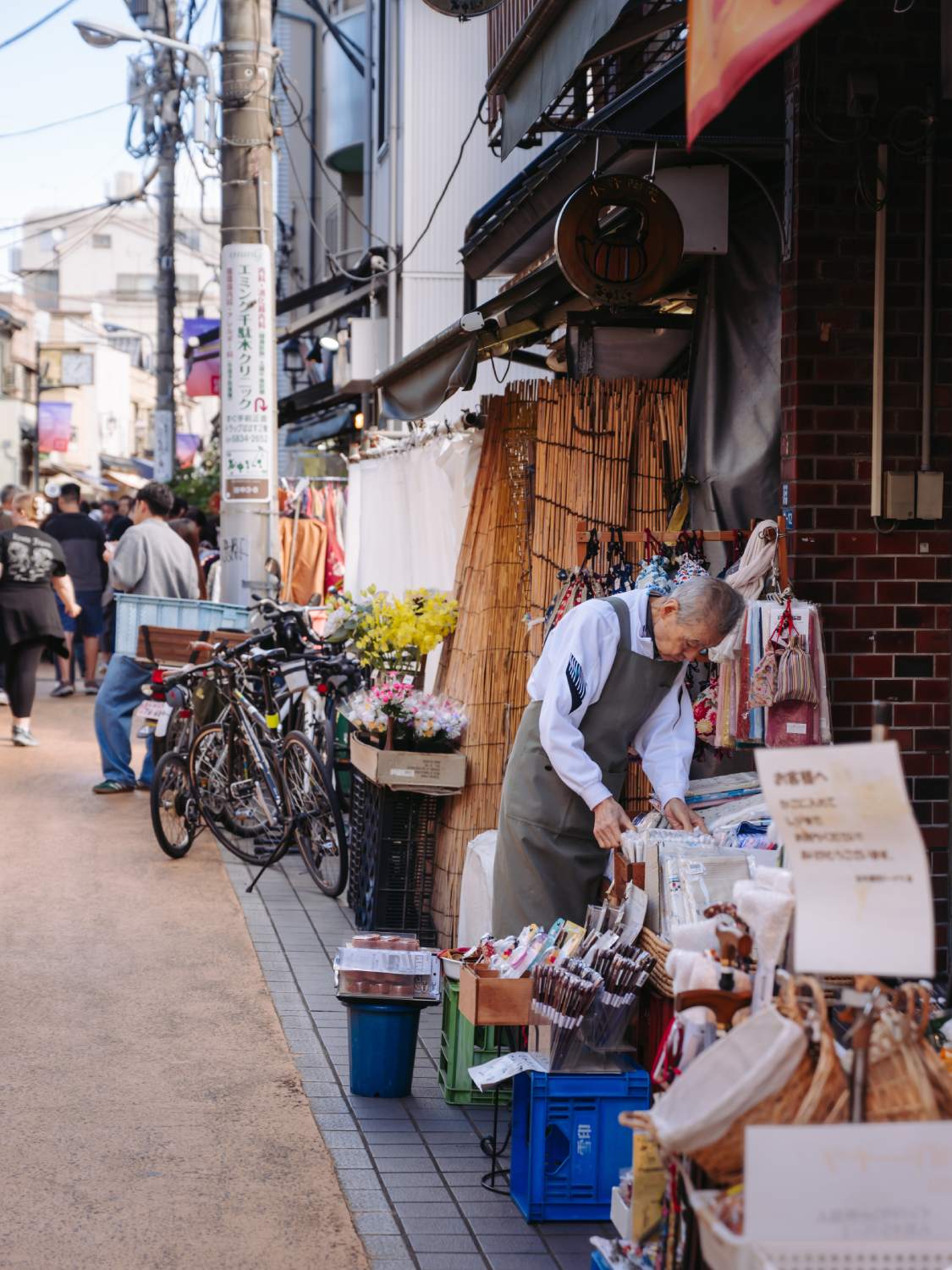
This neighbourhood offers a nostalgic slice of old Tokyo, with narrow lanes, wooden houses and mom-and-pop shops that feel untouched by time. Its vintage vibes and quiet charm make it ideal for aimless wandering, local art and classic Japanese snacks from neighbourhood stalls. Yanaka provides a peaceful counterpoint to the city’s neon rush.
Best for: Casual strollers and art aficionados
Stay at: Ryokan Sawanoya
Things to do: SCAI the Bathhouse, Asakura Museum of Sculpture
Where to eat: Kitsune Sushi ($$), Buzzed Lamb Brewing ($), Yanaka Senbei ($)
Kichijoji
A local favourite, this area blends laid-back cool with a creative streak. Vintage shops and buzzing izakayas (pubs) spill onto narrow streets, while swan boats at Inokashira Park add a whimsical touch. The neighbourhood balances chill and chaos, offering a side of Tokyo where the city slows just enough to let its quirks shine.
Best for: Night owls, families and foodies
Stay at: Yumenoya Kichijoji ($)
Things to do: Ghibli Museum (reservations required); browse antique pocket watches at Masa’s Pastime; Inokashira Park (rent a swan boat)
Where to eat: Sushi No Midori ($$), Satou ($), Ryumon Coffee Stand ($)
GO DEEPER
If you can linger longer, experience Tokyo like a local. Discover these sites and activities that will further enrich your immersion in this dynamic capital.
Amazake Yokocho
This lively street has the feel of “old Tokyo,” with its wooden storefronts, and is ideal for a gourmet walk. You’ll find traditional snack shops, teahouses, confectionery shops and stalls serving the low-alcohol fermented drink amazake.
Tip: Sample senbei (rice crackers) and taiyaki (fish-shaped cakes usually filled with sweet red bean paste) at longtime shops that craft traditional Japanese confections.
Akihabara
Tokyo’s “electronics town” is a retro gamer’s haven, with shops like Super Potato offering classic consoles (NES, Sega Genesis, PlayStation 1) and arcades like Taito Station. Visit quirky maid cafes, themed restaurants where waitresses dress in elaborate French maid or anime-inspired costumes.
Sip & Shodo Tokyo
Enjoy a two-hour calligraphy session practicing shodo, the Japanese art of brush writing at Sip & Shodo, while sipping local drinks like whiskey, sake, tea or yuzu juice. The finished scrolls are yours to take home.
Tokyo Metro Museum
Beneath the tracks of Tokyo’s subway, this immersive museum invites visitors into the world of urban transit, where there are vintage trains and simulators that let you play conductor.
Tip: Don’t miss the museum’s charming shop, which has transit-themed souvenirs such as mini train models and station signs.
Cooking Classes
At workshops like Tokyo Cooking Studio, join sessions such as “From Market to Meal” or “Izakaya Cooking” to shop for fresh ingredients and prepare authentic Japanese home dishes.
Tip: Book in advance to secure your preferred class and time.
SHOPPING
Whether you seek vacation souvenirs, local crafts or cutting-edge fashion, Tokyo’s stores reflect the city’s restless creativity and make browsing a delight.
Ginza Itoya
A stationery lover’s dream, the 12-floor store offers a meticulously curated, exceptional range, from textured Japanese washi paper to lacquer-finished fountain pens and other fine writing tools.
$ ∙ Ginza
Loft
This multifloor shop is for design lovers with all the stationery you can imagine, clever kitchen gadgets and eye-catching souvenirs at every turn.
Rag Tag
Fashion insiders flock to this carefully curated second-hand shop with luxury streetwear and men’s and women’s designer clothing, including Comme des Garcons and Margiela.
$$ ∙ Harajuku
Beams
Spread across six floors, the multilevel lifestyle store is where Tokyo cool is found in streetwear, local crafts and cult collaborations. It’s easy to browse and impossible to leave empty-handed.
$$ ∙ Shinjuku
Tips for solo travellers and women
Tokyo is safe for solo travellers and women travelling alone. For added comfort and security, consider women-only accommodations or train cars, which exist primarily to address concerns about groping and harassment during rush hour. (Look for pink signs indicating women-only cars.) While petty theft is rare, secure belongings in busy areas.
Tokyo is also solo-diner friendly. Trust your instincts, especially in nightlife districts, and avoid pushy promoters. Learning basic Japanese phrases and having translation apps can help navigate tricky situations. Dial 110 for the police, and you can go to a “koban,” one of the small neighbourhood police stations.
WHERE TO STAY
Hotels
Japanese hotels typically provide amenities such as pyjamas or casual robes and slippers. For a traditional experience, stay at a ryokan, a Japanese inn featuring tatami-matted rooms, futon bedding, kaiseki (multicourse) meals and onsen baths. Luggage forwarding allows travellers to send bags ahead to hotels or airports for lighter travel.
Aman Tokyo
Perched atop Otemachi Tower, the hotel blends minimalist design with traditional Japanese elements. Spacious suites, serene gardens and sweeping city views make it a luxurious urban retreat.
$$$$ ∙ Otemachi
The Okura Tokyo
With rooms pairing sleek modern design with subtle Japanese touches, next-level dining and a spa that recharges your soul, this hotel is a tranquil base for exploring the city.
$$$ ∙ Otemachi
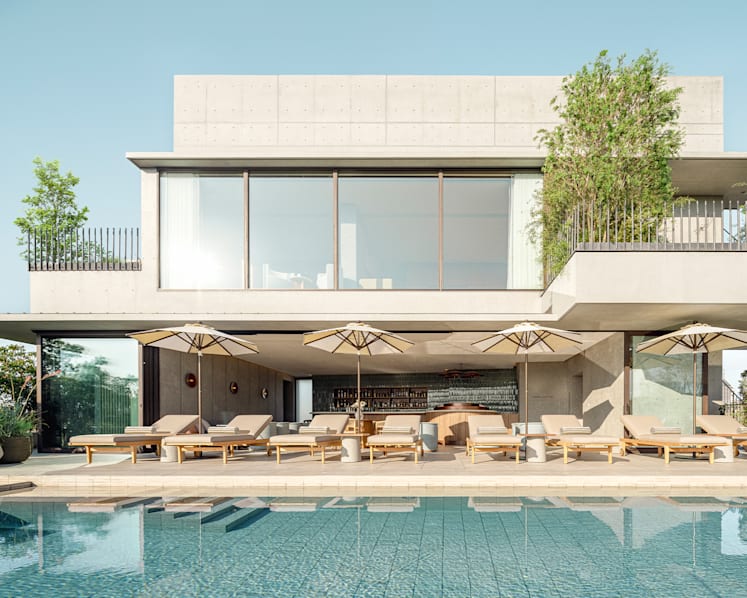
Call it urban wild. The hotel has a rooftop pool with park views, fire-pit lounging chairs, artwork and Italian pizzas. Every room feels like a private sanctuary.
$$$ ∙ Shibuya
Hyatt House Shibuya
Your room doubles as your home away from home. Hotel units feature king beds, cooking gear and washer/dryers. Step outside, and you’re back in the neon mayhem. Very Tokyo.
$$$ ∙ Shibuya
Muji Hotel Ginza
Stay above Muji’s Ginza flagship store, where the clean lines, stylish furniture and soft lighting of this hotel will make you feel at home. Everything on display, you can buy.
$$ ∙ Ginza
Hamacho Hotel
The hotel hits the sweet spot with thoughtful design, soft sheets, terrace gardens, exceptional value and a quiet location still plugged into the city’s pulse.
$ ∙ Hamacho
The Barn Tokyo
A boutique gem in a district known for its parks, lively market streets and museums, the hotel offers a serene garden, 24/7 coffee, warm hospitality and an affordable price just steps from museums, parks and stations.
$ ∙ Ueno
Park Hyatt Tokyo
This hotel, where many scenes in the 2003 film “Lost in Translation” were set, comes with skyline views, moody elegance and quiet luxury above vibrant Shinjuku. The hotel reopened in late 2025 after a lengthy renovation with updates to rooms, restaurants and public spaces.
$$$$ ∙ Shinjuku
Tokyo Station Hotel
In the heart of Tokyo, the hotel has heritage halls, curated design, gourmet dining and spacious suites. Its prime location at Tokyo Station offers easy access to the city and the Shinkansen, Japan’s high-speed bullet train that connects major cities across the country.
$$ ∙ Otemachi
Yuen Bettei Daita
This tranquil ryokan-style hideaway is in an area where there were once tea-leaf fields. Soak in the spacious baths, dine on seasonal Japanese cuisine and unwind just minutes from the bohemian vibe of Shimokitazawa, a neighbourhood known for its vintage shops and creative atmosphere.
$$$ ∙ Setagaya
Sawanoya Ryokan
Tucked away in Yanaka’s old-town streets, this family-run ryokan offers tatami rooms, shared baths and heartfelt hospitality in Tokyo’s quieter “shitamachi” (downtown) quarter.
$ ∙ Yanaka
Hoshinoya Tokyo
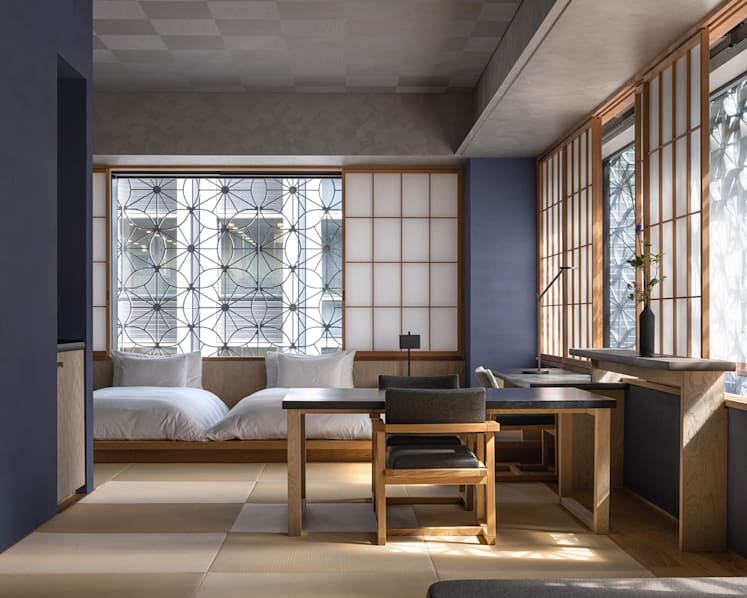
A high-rise ryokan in the heart of the city, it blends traditional Japanese design with sleek modern comforts. Each floor becomes a serene retreat with tatami-matted corridors and lounge space, just steps from Tokyo Station.
$$$$ ∙ Otemachi
WHERE TO EAT AND DRINK
Breakfast and Lunch
Internationally inspired bakeries and cafes are reshaping Tokyo’s mornings, while lunchtime brings endless options, many with great value.
Edosoba Hosokawa
In a neighbourhood perhaps best known for its sumo training facilities, the chef Tadashi Hosokawa makes soba noodles fresh every morning from buckwheat that he mills in-house.
$ ∙ Ryogoku
Kappa Nakajima
This affordable Michelin-starred lunch is centred on sardines. In the standout dish, the small fish are simmered and served over ochazuke, a hot, porridgelike soup made from bonito-based dashi broth and rice.
$ ∙ Shinjuku
Butter Baby
This sunlit Tokyo hideaway is where perfect sourdough bread, smooth coffee and handmade ceramics meet. It’s cosy, quietly stylish and buzzing with friendly energy.
$ ∙ Gotokuji
Jade5
The diner, in a quiet district of Shibuya with an expat-friendly atmosphere, serves all-day pancakes, stacked burgers and jazz-tinged comfort. Tiny, buzzy, totally worth the inevitable wait.
$$ ∙ Hiroo
Kyubey
This legendary sushi restaurant is celebrated for edomae sushi, fresh Tokyo Bay seafood atop bite-size, vinegary rice. The seafood is so fresh you might find yourself eating a live shrimp.
$$$ ∙ Ginza
Parklet
This bakery serves market-fresh breads and pastries — think ginger scones and peanut butter-miso cookies — alongside a hearty brunch menu.
$$ ∙ Ningyocho
Setsuko Juice & Breakfast
Tucked inside a clothing store, this cafe serves fresh juices and smoothies, including the popular Green Jesus, which combines a lot of greens and vitamins, along with sandwiches for a light, refreshing meal.
$ ∙ Omotesando
Fukudaya
The mom-and-pop soba shop has a retro, nostalgic vibe. A must-try is the cold soba, thin buckwheat noodles, with crispy tempura, lightly battered and fried seafood or vegetables. It offers a simple experience that’s authentic and flavourful. Cash only.
$ ∙ Gotokuji
Usagi Ramen
A favourite of locals where soy-rich ramen meets spicy tantanmen (a Japanese take on Sichuan-style sesame and chili noodle soup), all served with mellow soundtrack music by Nujabes, a famed Japanese record producer, DJ, composer and arranger who was the older brother of Usagi’s owner. Open only for lunch, and cash only.
$ ∙ Shibuya
Citron
A Parisian-style salad bar in a well-heeled district, Citron offers vegetarian-friendly dishes like gratins and quiches in a tasteful, minimalist setting.
$ ∙ Aoyama
Seirinkan
The minimalist Neapolitan pies are the draw of this popular pizzeria in an industrial, steampunk-inspired setting. Take your pick between the margherita and marinara pizzas crafted by chef Susumu Kakinuma.
$ ∙ Nakameguro
Higashiya Man
The tiny shop specialises in the traditional sweets known as wagashi. These small treats come in many variations with ingredients that reflect the season. In autumn and winter, try the kakigoromo, a dried persimmon filled with butter and anko paste made from sweet red azuki beans.
$ ∙ Aoyama
Sunday Bake Shop
Two stops from the Shinjuku train station, this bakery serves English-style carrot cakes, scones and brownies that shine. Come early — everything sells out fast.
$ ∙ Hatagaya
Streamer
Founded by the champion barista Hiroshi Sawada, this coffeehouse pours oversize bowls of foam art. Try the popular Military Latte — matcha, espresso and cocoa camouflaged in a swirl — and sip it in the comfort of a warm wooden interior with minimalist decor.
$ ∙ Azabu
Dinner
Eating is an art form in Tokyo, from the precision of sushi chefs to the exquisite preparation of a multicourse kaiseki dinner. These culinary temples serve some of the city’s most unforgettable flavours.
Yakitori Ebisu Kicho
This hidden gem near Ebisu Station offers meticulously grilled skewers, from tender chicken to flavourful vegetables, paired with a selection of wines and sake in a cosy setting.
$ ∙ Ebisu
Ichiran
At this ramen spot, solo diners slip into private booths, customising rich tonkotsu ramen via order forms. Minimal interaction, maximum flavour. Yes, there’s almost always a line, but you’ll see why.
$ ∙ Shibuya
Tsunahachi
A neighbourhood institution since 1923, this restaurant serves golden, sesame-oil-fried tempura with precision. From tiger prawns to seasonal vegetables, it’s a crispy and flavourful tradition.
$$ ∙ Shinjuku
Ukai-tei
The star at this upscale establishment is teppanyaki, a Japanese style of cooking in which ingredients such as vegetables and wagyu are grilled on a flat iron griddle. Or perhaps the star is the dessert lounge serving expertly crafted sweets like Japanese-style cakes and seasonal fruit parfaits?
$$$ ∙ Omotesando
Sezanne
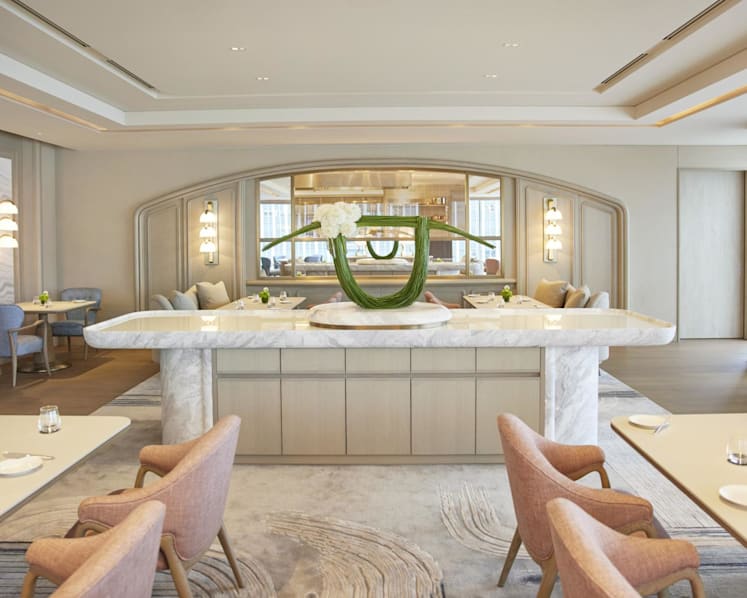
This high-end restaurant uses seasonal Japanese ingredients and serves dishes like charcoal-grilled fish to showcase inventive flavours rather than traditional Japanese cuisine, according to T Magazine.
$$$$ ∙ Marunouchi
Florilege
This French-inspired restaurant emphasises seasonal vegetables while dialling back on meat and fish. The dining room has an open kitchen, letting diners at the long communal table or one of two round tables watch chefs work their magic on each dish.
$$$$ ∙ Aoyama
Momijiya Okonomiyaki
This casual 25-seat spot specializes in Hiroshima-style okonomiyaki, layered savoury pancakes filled with cabbage, noodles and other seasonal ingredients. Along its perimeter are 10 stools from which patrons can watch their okonomiyaki of choice get made, according to T Magazine.
$ ∙ Iidabashi
Ishin Daikanyama
Down a staircase in a chic neighbourhood, this restaurant serves seasonal Japanese food like tempura and sashimi in a refined setting, and on a budget. There’s no English menu, so ask, “Osusume nan desu ka?” (“What do you recommend?”) or use Google Translate.
$$ ∙ Daikanyama
Oshio Tempura and Wine Bar
Sate your appetite with inventive varieties of tempura, such as salmon roe nested on roasted seaweed, at this restaurant. It serves unorthodox tempura with wine pairings in a setting beneath an old train viaduct.
$$ ∙ Marunouchi
Sushiya Ono
Housed in a basement at the end of a residential block, this sushi restaurant serves blowout omakase sushi at a seven-seat counter, along with fresh fish, squid tentacles and daily market finds.
$$$ ∙ Ebisu
Katsukichi
A much-loved local chain, Katsukichi specialises in thick and hearty tonkatsu, a breaded and deep-fried pork cutlet. But in the winter, diners come for a seasonal specialty: kaki-furai, or deep-fried oysters.
$$ ∙ Hibiya
Bars
With its dazzling mix of nightspots — from intimate izakayas to inventive cocktail lounges and rooftop bars — Tokyo can pour a drink for almost any occasion.
The SG Club
The dimly lit nightspot fuses Tokyo precision with cosmopolitan flair. Elegant cocktails are crafted by the mixologist Shingo Gokan in a polished, multilevel setting.
$$ ∙ Shibuya
The Bellwood
The cocktail bar, in the heart of Shibuya, channels an early‑20th‑century vibe with stained glass and a dark wooden interior. Try cocktails like the genmai mango Sazerac (brown rice, mango, Sauternes, absinthe).
$$ ∙ Shibuya
No. 501
This wine bar, only a 15-minute walk from busy Omotesando Avenue, offers a curated selection of natural wines and small plates and a casual and friendly atmosphere.
$$ ∙ Omotesando
The Roof
Atop the Tokyo Edition, Ginza, this open-air bar on the 15th floor is wrapped in greenery, with panoramic city views, cocktails and plates like wagyu burgers and cod sandwiches. The seasonal bar, closed for the winter, reopens in the spring.
$$$ ∙ Ginza
Virtu Bar
Enjoy inventive cocktails that marry French and Japanese spirits at this bar with an Art Deco interior and floor-to-ceiling skyline views on the 39th floor of the Four Seasons Tokyo at Otemachi.
$$$ ∙ Otemachi
WATERING HOLE
Near Yoyogi Station, the casual craft beer haven offers 20 rotating taps of Japanese and international brews, plus hearty pub fare.
$ ∙ Shibuya
Janai Coffee
This inconspicuous coffee stand hides a secret speakeasy. Solve an online riddle and enter through a concealed door to sip inventive coffee-based cocktails. Reservations essential.
$$ ∙ Ebisu
Little Soul
This bar pulses with soul and funk. Vinyl adorns the walls, intimate tables invite long evenings, and the crowd — mostly local music fans and creative types — make it feel like a neighbourhood secret worth keeping as you linger over a cocktail.
$ ∙ Shimokitazawa
Bar Trench
Bartenders pour absinthe drips, herbal liqueurs and signature cocktails for mixology fans at this alleyway bar with low ceilings, vintage mirrors and intimate candlelit tables.
$$ ∙ Ebisu
Mikkeller Bar
This bar pours 20 rotating Danish and local craft beers. It’s beer geek heaven, no pretension necessary. The industrial-chic interior makes it feel like a relaxed retreat from the neighbourhood’s neon hustle.
$$ ∙ Shibuya
The Peak Lounge & Bar
Enjoy cocktails, sunsets over Mount Fuji and live acoustic nights in this plush lounge in a glass atrium above the city on the 41st floor of the Park Hyatt Tokyo.
$$$ ∙ Shinjuku
BenFiddich
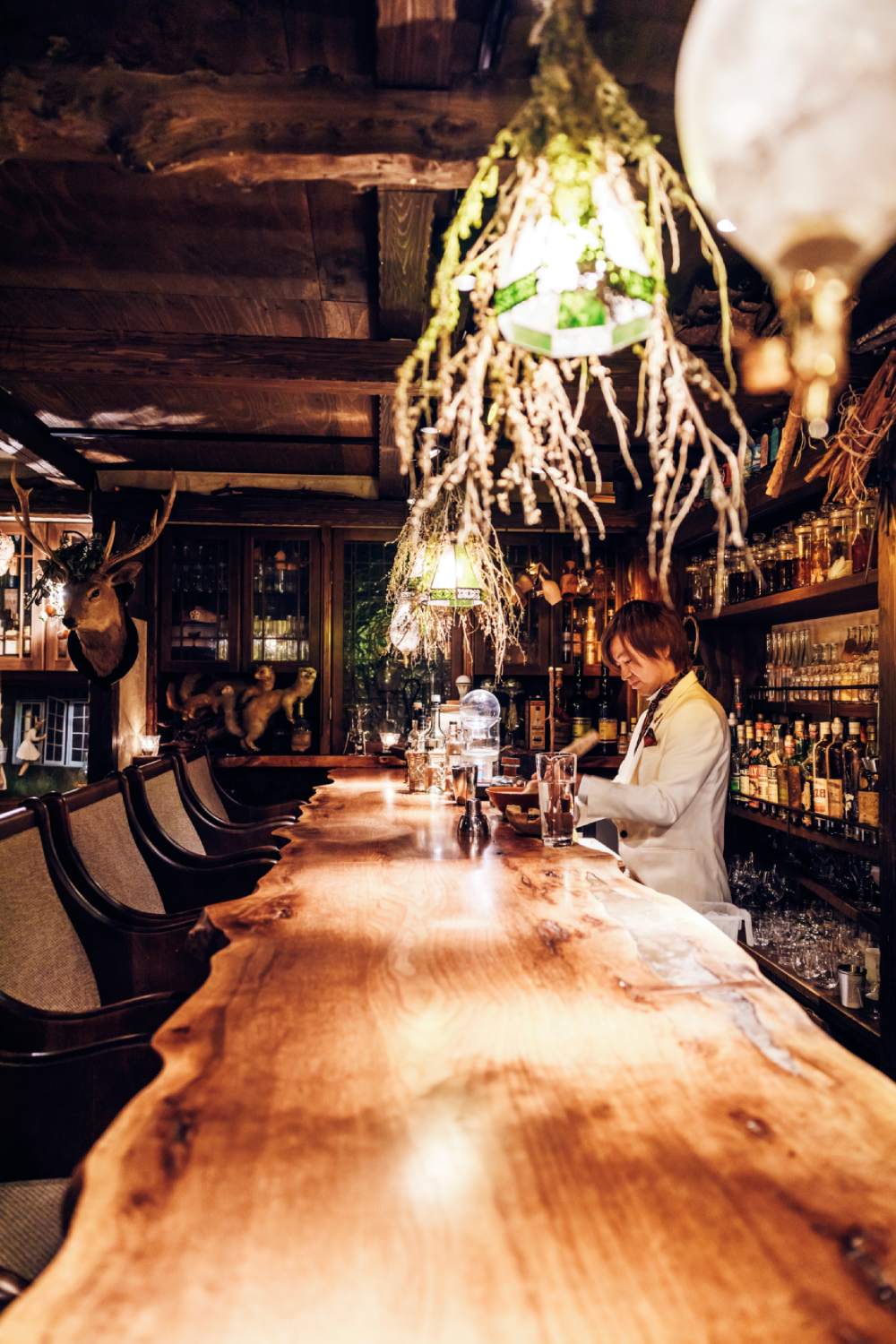
This candlelit apothecary of roots, spices and wild plants is where the bartender and owner, Hiroyasu Kayama, uses herbs and botanicals from his own garden to craft inventive cocktails for adventurous locals.
$$$ ∙ Shinjuku
THE BASICS
- Do I need a visa?
Americans typically don’t need a visa for stays of up to 90 days.
- What is the best time of year to visit?
Anytime. Tokyo is a year-round destination, though summers can be intensely hot and humid.
- When is cherry blossom season?
The spring, with the season starting earlier each year — the beginning of March in the south, mid-May in the north. Tokyo has great cherry blossom (sakura) viewing (hanami) spots, ranging from temple grounds and parks to cemeteries.
- What about money?
The currency is the yen. Though most places accept major credit cards, it is advisable to carry some yen, as many smaller shops and eateries are cash-only. 7-Eleven and post office ATMs are the best spots to get cash using overseas credit and debit cards.
- Do I need a converter to charge my devices?
No. Japan uses Type A outlets, like those in the United States. Voltage is 100V, so most electronics and American appliances work without a converter.
- Do I need a SIM card when visiting Tokyo? Or a Wi-Fi device?
An eSim is more convenient these days; you can install it digitally on your phone. You can also rent and pick up a Wi-Fi device at Narita or Haneda airport, with companies such as Ninja WiFi.
- Can I get by in English?
English is common in major tourist areas, but limited elsewhere. Locals will appreciate efforts to use basic Japanese expressions such as “konnichiwa” (hello) or “arigato gozaimasu” (thank you).
- Is tipping required?
Tipping is not expected in Japan.
- What time do people eat dinner?
Locals typically eat between 6pm and 8pm. Tokyo is a city that wakes up late, with many people heading home around midnight when the last trains run. However, bars in busy areas like Shinjuku and Shibuya remain open until dawn all week.
- Which airport should I fly into?
Haneda Airport, which is closer to central Tokyo, or Narita International Airport (although located further, it is well connected by the fast Narita Express train).
- How do I get from the airports to the central city?
By train from Haneda Airport, about 500 yen (Tokyo Monorail or Keikyu Line); by Airport Limousine and shuttle buses, about 1,300 yen, varying by destination; by cab, fixed fare about 10,000 yen. It takes about 30 minutes by train or driving to get to most central areas of Tokyo (depending on traffic). From Narita Airport to central Tokyo, a one-way ticket on the Narita Express train is 3,250 yen and it takes about 80 to 90 minutes (depending on which airport terminal).
- Do I need to rent a car?
No. Tokyo’s public transport is clean, efficient and well marked in English.
- What about cabs?
Regular taxis, though expensive, are easy to hail on the street and with apps. Uber exists but mainly works as Uber Taxi, linked with licensed taxis. Private ride-hailing is limited and heavily regulated, available only in certain areas.
- Do I need to make reservations for restaurants and cafes?
Yes, reservations are highly recommended for Tokyo restaurants, especially popular or upscale spots, to avoid long waits or being turned away. Book online, via concierge or by phone (hotel help may be needed). Deposits are common. No-shows are considered rude. Cancel in advance to avoid fees.
By Vivian Morelli © The New York Times.
This article originally appeared in The New York Times.