Matthieu Blazy’s Chanel debut fuels China expansion despite luxury slowdown
Chanel is betting on long-term growth in China, opening new boutiques and beauty stores as excitement over Matthieu Blazy’s first collections builds, even as the wider luxury industry faces softer demand.
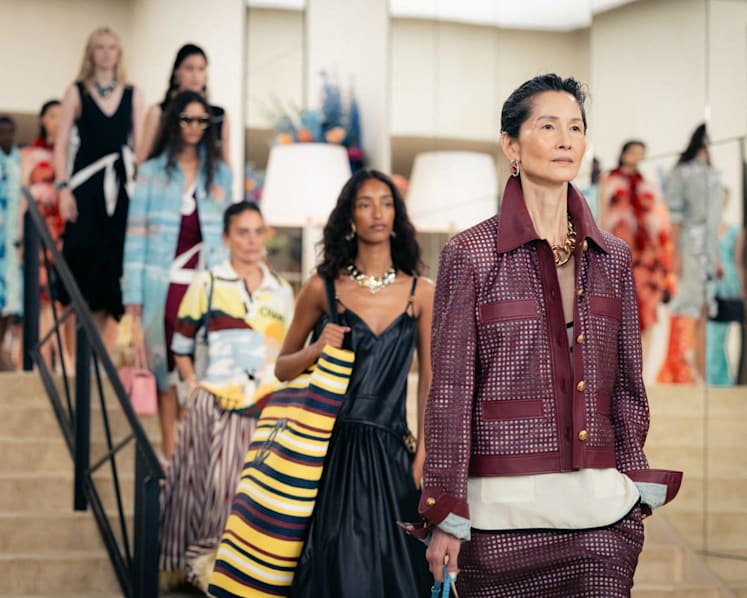
Enthusiasm for new designer Matthieu Blazy’s creations has been dubbed ‘Blazy Mania’. (Photo: Chanel)
Chanel is opening new stores in China as it bets that renewed “vibrancy” in the world’s second-biggest economy and the buzz around star designer Matthieu Blazy will revitalise the French luxury brand.
Blazy’s products only began landing in stores in the second half of March 2026, but enthusiasm on social media and in boutiques for his first collections has been dubbed “Blazy mania”. The reception marks a rare bright spot for a major luxury brand amid a multiyear industry slowdown.
Chanel’s sales accelerated in the second half of 2025 to “high single digit growth”, the company said on Tuesday (May 19), a momentum that has carried through into 2026.
“It’s early to talk about holistic numbers . . . but the indicators [on Blazy] are strong. Clients are excited, new and existing generations of clients are engaging with the brand,” chief executive Leena Nair told the FT, noting the “exceptionally positive reception” of Blazy’s first collections.
That marks a change in tone after a difficult few years for Chanel during which customers grew critical of steep price rises and a lack of appealing new products before Blazy’s arrival from Bottega Veneta last year. Those issues were compounded by the wider travails of the luxury sector, which included a string of geopolitical crises and weak demand in the key Chinese market.
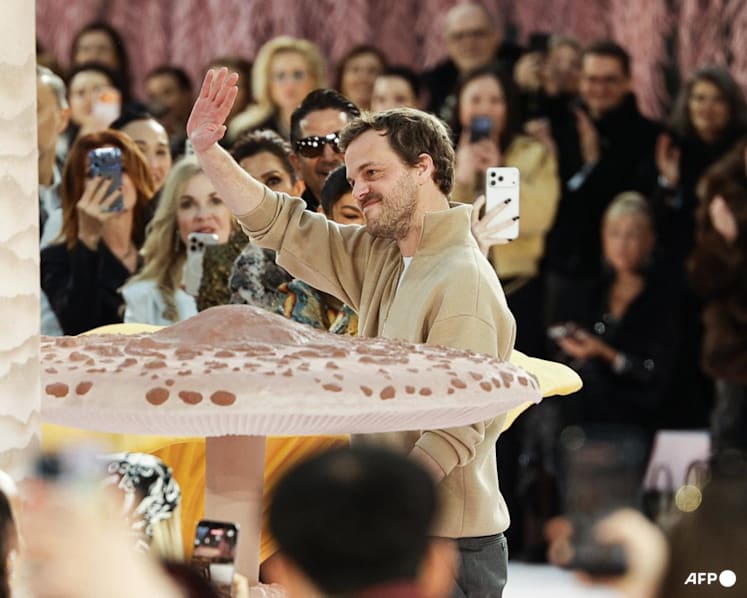
Chanel’s sales grew 2 per cent on an organic basis to US$19.3 billion (S$27.75 billion) last year, a turnaround from a rare contraction of sales and profits the year before.
Operating profits increased 5 per cent year on year to US$4.7 billion after falling by nearly a third in 2024.
Revenues were strongest in the US, growing 7.2 per cent, followed by Europe where they increased 2.5 per cent. Asia-Pacific, which is dominated by China, slipped 0.8 per cent.
However sales in China, Hong Kong and Taiwan turned positive in the fourth quarter, and that trend has continued in the first months of this year, said chief financial officer Philippe Blondiaux.
Nair said she was encouraged by the enthusiasm for Blazy’s products she saw in China during a recent visit to the country. “I was really struck by seeing the vibrancy in the market . . . you can see that encouraging sign of stabilisation coming up [and] feel the momentum strengthening,” she said.
The Parisian brand founded by Coco Chanel reopened a boutique in Shanghai and added five more beauty shops in the country last year, with plans to open a second private salon for top clients in Shanghai later this year. Executives say they plan to continue expanding “selectively” in China, noting that Chanel only has about 20 boutiques in the country compared with an average of 45 for some competitors.
“We believe it’s a market that is an important market for us long term. We see the potential. We have confidence in what we do in China,” said Nair.
Chanel has continued to open stores despite the luxury slowdown, with 40 new boutiques around the world in 2025. It also spent US$700 million last year buying suppliers as part of a strategy to bring more of its supply chain in-house.
“As a private company, we have the independence to manage our margins over the long term. That’s what we’ve done over the last few years, and we’ve never compromised on our brand investment,” said Blondiaux. “We manage our costs with discipline in a very consistent way, and that’s how we have started to recover our margins last year.”
Adrienne Klasa © 2026 The Financial Times.
This article originally appeared in The Financial Times.