Why Singapore watch collectors are looking beyond Rolex and Patek Philippe
As hype culture and soaring prices push icon watches further out of reach, a growing community of Singapore collectors is turning to independent brands and microbrands for originality, connection and value – without sacrificing craftsmanship or credibility.
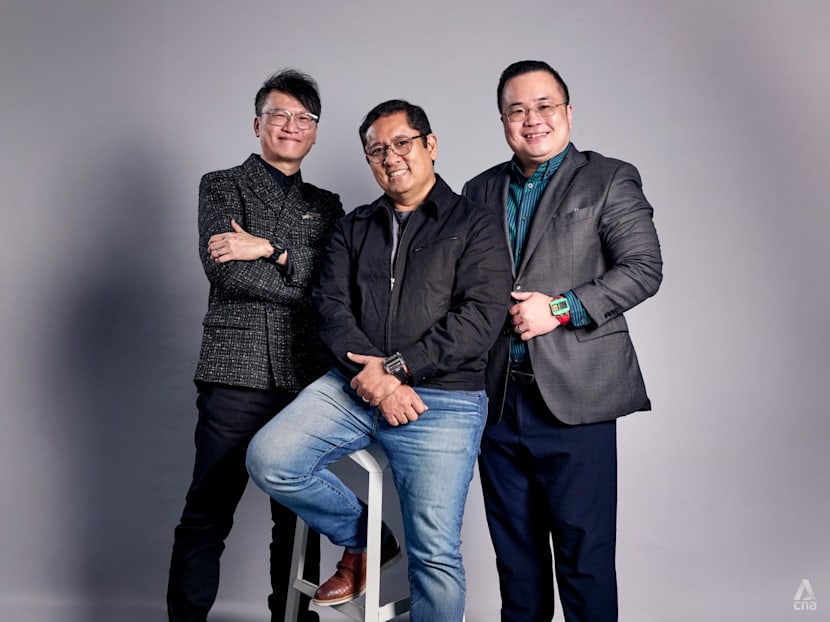
From left: Jeremy Ong, Cecil Hamilton and Benjamin Tan are drawn to independent brands and microbrands for the intimacy, individuality and direct connection with makers that the mainstream market rarely offers. (Photo: CNA/Dillon Tan)

This audio is generated by an AI tool.


In Singapore, icons like the Audemars Piguet Royal Oak, Patek Philippe Nautilus, Rolex Daytona and Rolex Submariner remain the north stars of watch collecting. They’re legends for a reason: dependable, deeply respected, and instantly recognisable even to casual observers.
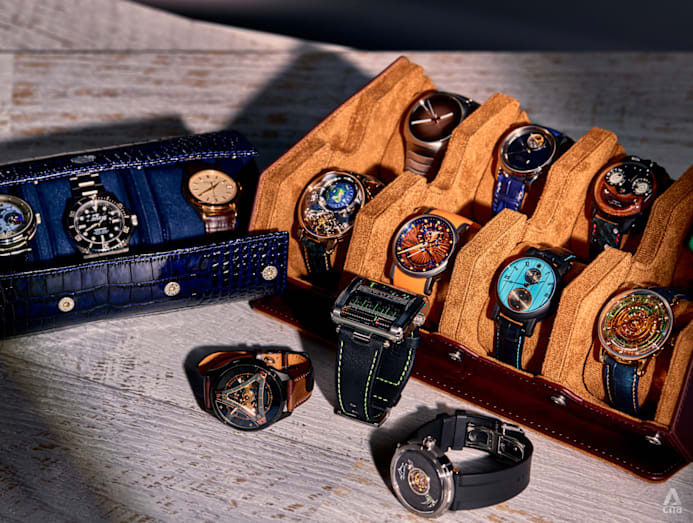
But as the watch-collecting landscape evolves, a growing number of collectors are looking beyond these traditional powerhouses, turning to independent brands and microbrands for fresh ideas, artisanal spirit and a sense of community with like-minded enthusiasts.
Watchmakers like Christiaan van der Klaauw, as well as brands such as Christopher Ward, Horizon, Lucky Harvey and Nodus Watches, have found fervent fans among Singaporeans. These names bring a different kind of charm to the wrist, defined not by status but by individuality. Think unconventional designs, singular craftsmanship and the joy of wearing something not everyone else owns or even knows about.
These brands broaden the conversation, giving collectors another way to express themselves and stand out in a landscape where watchmaking excellence takes many forms.
“Most people want to buy brands that others would have knowledge of, because the perception of value and prestige is there,” said Jeremy Ong, 50, an interior designer whose collection runs into the hundreds. “I do own that category of watches too, but my inclination is towards acquiring pieces that echo my dressing or personality.”
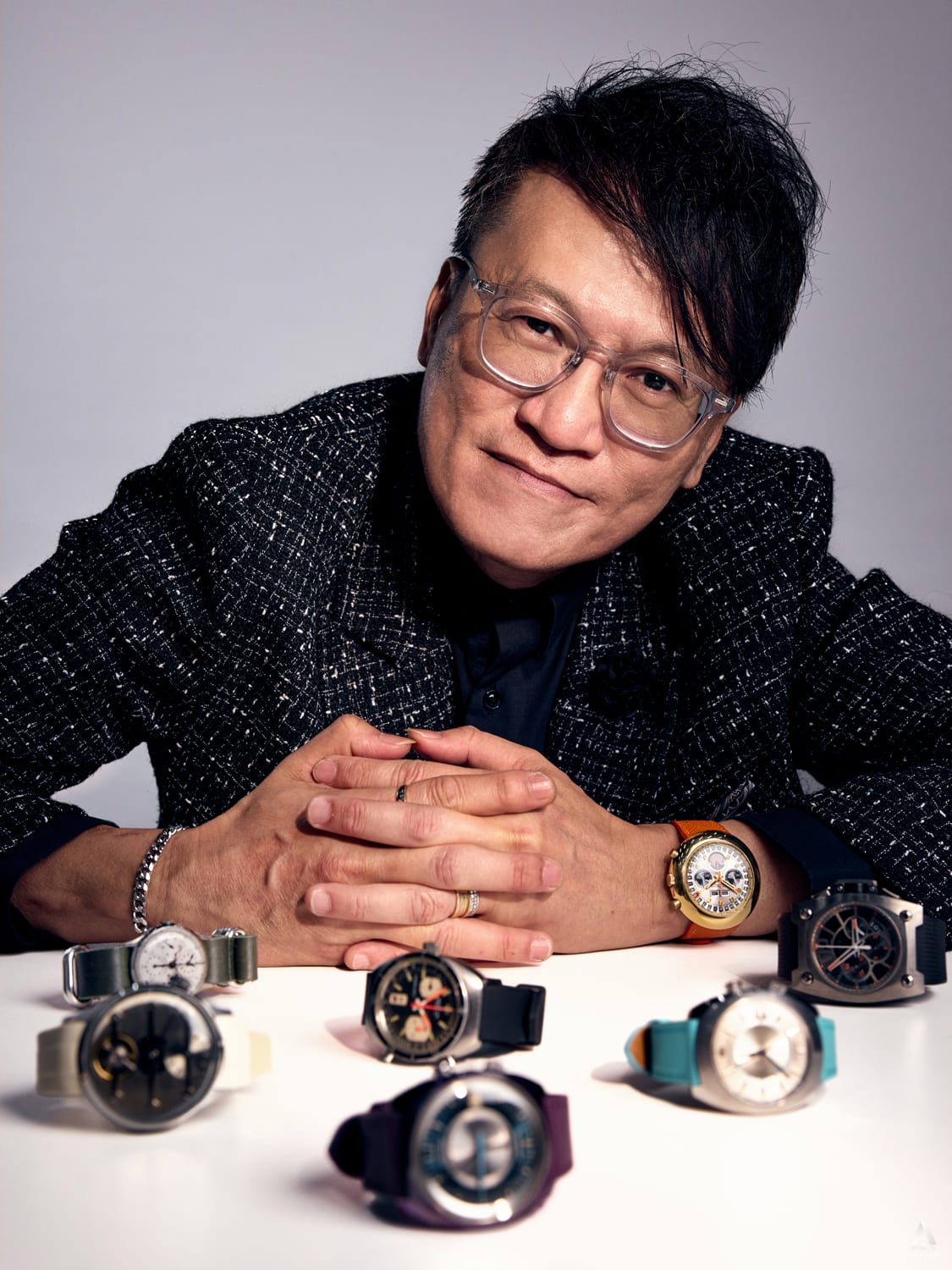
Ong has been collecting for about 25 years and stores most of his watches away from home, partly, he joked, to avoid judgement from his wife. He has cases brimming with vintage Omegas, a particular favourite, alongside select pieces from IWC, Rolex, Tudor and Zenith. On his wrist was a Rado True Square x Kunihiko Morinaga Special Edition.
But are independent brands, microbrands and even vintage timepieces becoming the go-to choice for collectors who want to distinguish themselves? Ong recalled an incident during The Watch Club Asia (TWCA) anniversary dinner that suggests a resounding yes.
“Halfway through dinner, everyone took off their watches and laid them on the table. There were maybe a hundred watches in all! And everyone was snapping away with their cameras,” he said, laughing.
“When the photo-taking ended, and everyone went to retrieve their watches, [there was a bit of confusion because] there were around a dozen Submariners and a few Royal Oaks! But my watch was very easy to spot, because it was the only one, a Jules Jurgensen Jurgentron.”
TREASURE HUNTERS, THEN AND NOW
There was a time when watch collecting was a purist’s pursuit: the romance of a mechanical movement beating at the heart of a watch, the fine finishing on dials, plates and bridges, and the pleasing chime of a minute repeater.
Back then, the hobby wasn’t about flexing. Collectors sought out their prizes like hunters tracking prey, ferreting out trophies with legendary movements, exemplary finishing or historical significance. It wasn’t about how many people recognised your wrist candy across the dinner table.
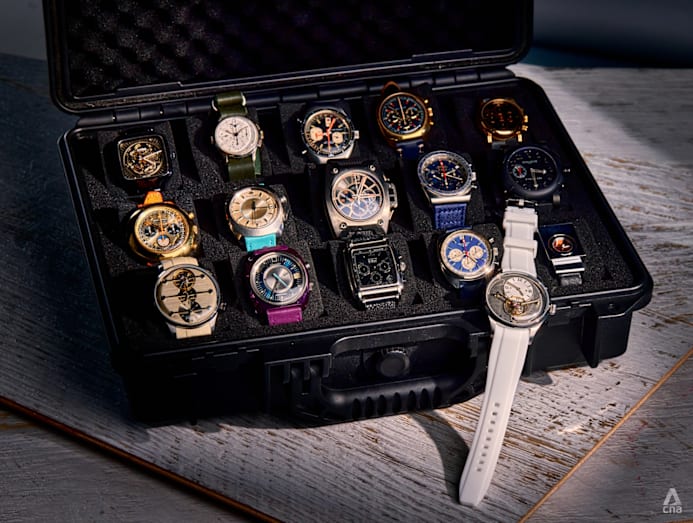
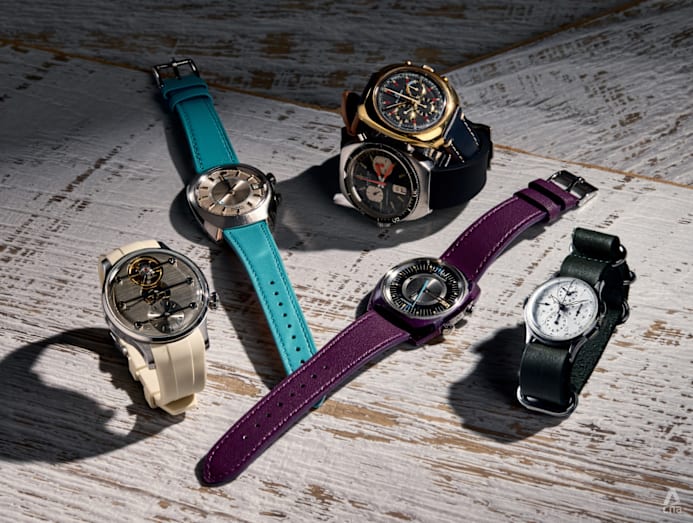
“We joined online watch forums to share information with each other,” Ong said. “We would use SLR cameras to take photos of our watches and upload them to the forums. We didn’t have broadband or fibre connections back then, so the process was slow and the images were highly pixelated.
“Sometimes we would trade. I’d stay up late into the night because the other collector might be on the other side of the world, and we’d email each other or use the very slow chat function. We’d share information like the watch’s history, why we bought it, why we were letting it go. Then we’d swear to take care of each other’s watches!
“The level of trust was very high, even though we were complete strangers. In those days, most collectors were true collectors. They didn’t just have the passion and appreciation for the brand or the value; they held dear the product itself.”
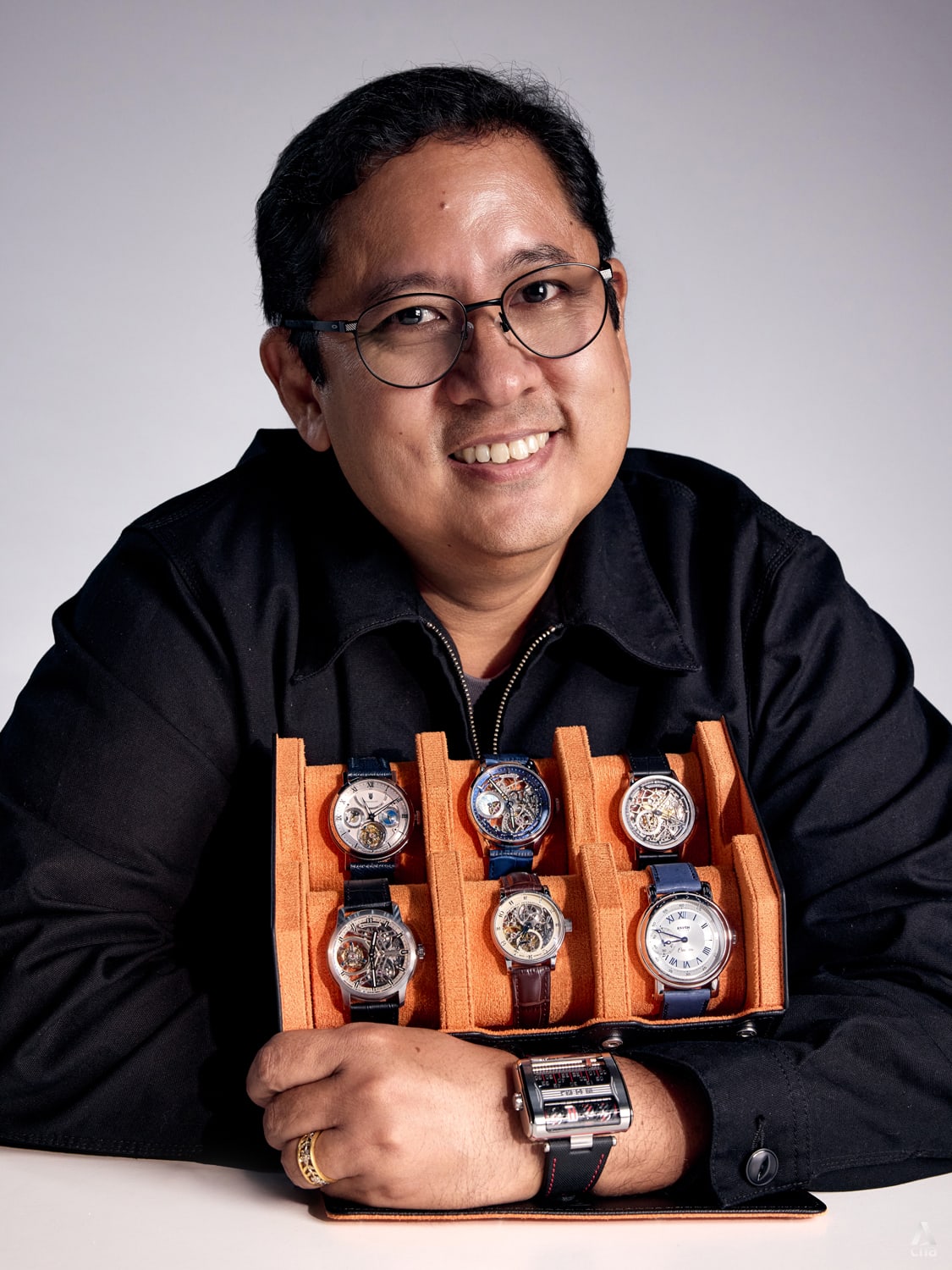
Cecil Hamilton, 55, who works in advertising and marketing, is also nostalgic for that era. Twenty years ago, he said, the watch community was still a niche one. Gradually, it went mainstream, as people took up the hobby through what they read online and saw on social media.
“Now it’s come to a point where people are just looking at the brands. They’re not looking at the watches or even the stories behind the watches; they’re just buying so that they can resell them in the future.”
Indeed. Driven by today’s hype culture, some watches have become as much financial instruments and social currency as objects of craftsmanship. Waiting lists stretch for years, resale prices spike as soon as watches are released, and some collectors now approach the hobby the way investors approach blue-chip stocks – with spreadsheets, alerts and exit strategies.
For some collectors, the magic is gone. In many circles, the serendipity of discovery has been replaced by the calculated thrill of securing the right piece, often through carefully cultivated relationships with sales associates or connections in the know. What was once a quiet, nerdy obsession has become a high-stakes, high-visibility game.
Hamilton has consciously stepped away from this landscape. He owns about 30 watches, all from independent brands or microbrands, and says he was drawn in by the community spirit.
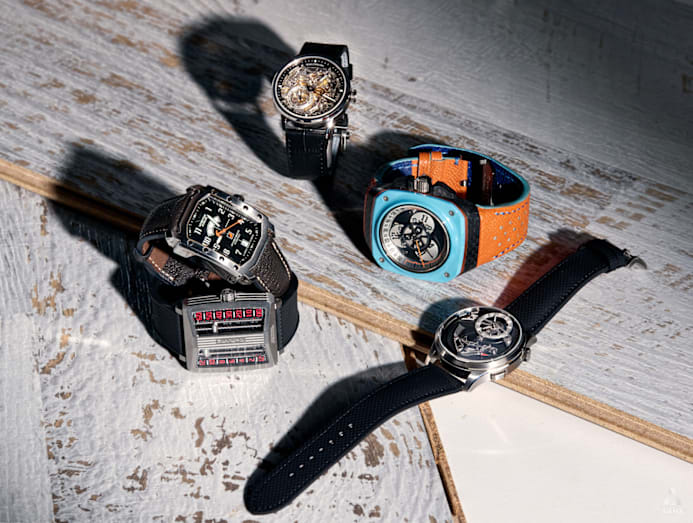
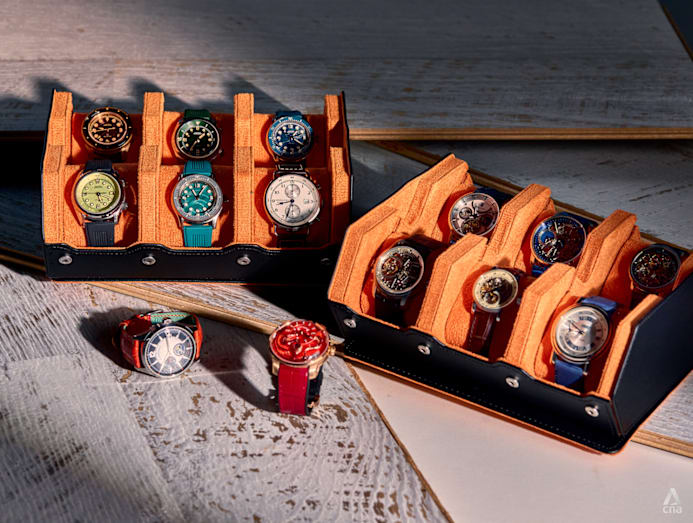
“When I was first introduced to the microbrand community, what struck me was how supportive and passionate everyone was. You meet the people who actually build and design the watches, and hearing their stories – their inspirations, their design choices, the ideas that sparked each piece – is fascinating. It draws you in. And when you finally find a watch that resonates with you, that connection is instant. You just have to have it.”
When we met, Hamilton was wearing a Christopher Ward Bel Canto. The watch features an in-house hourly chime mechanism at an accessible price – around S$5,000 (US$3,909) – a far cry from the six-figure sums associated with repeater watches.
FINANCIAL FUNDAMENTALS
Hype may not be the sole culprit. Rising costs – from raw materials and labour to production and brand strategy – compounded by inflation have made collectors more strategic. When every purchase carries a premium, prudence follows naturally.
“When we approach housing or cars or anything of value, we as Singaporeans – or anyone who has worked hard for their money – will always want to know if we can let [those high value items] go at a good price, if we ever need to,” said Benjamin Tan, 43, an entrepreneur who owns between 50 and 60 watches.
At home, Tan has a workspace dedicated to tinkering with watches. He’s a fan of independent watchmakers like Christiaan van der Klaauw, De Bethune, Konstantin Chaykin and Romain Gauthier. His small collection of mainstream pieces includes a Breguet Hora Mundi, an Omega Speedmaster and a Rolex GMT-Master.
It’s also worth asking whether soaring prices and chronic unavailability of north star watches have quietly nudged collectors towards new horizons. When grail pieces like the Nautilus, Royal Oak or Submariner become all but impossible to obtain, enthusiasts naturally begin looking elsewhere.
In that space, independent brands and microbrands have stepped in with compelling, accessible alternatives. What may have begun as a detour has evolved into a genuine appreciation for the creativity and craft of the wider watchmaking world.
Tan finds it frustrating that collectors are expected to jump through hoops to buy the watches they want. The dynamic, he feels, is back to front – brands should earn the customer’s loyalty, not the other way around.
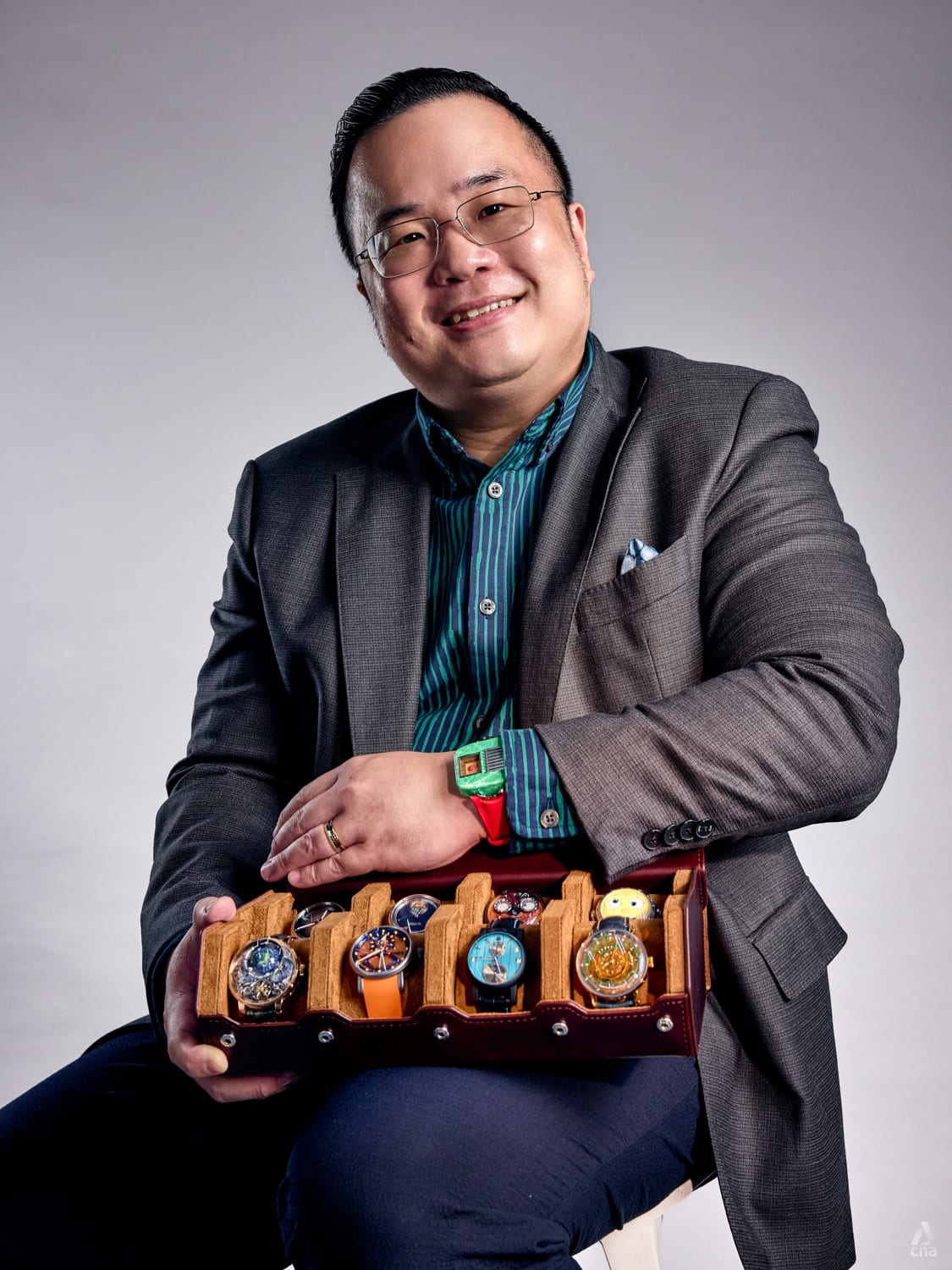
“I went through that process once, and even though I walked away with the watch I wanted, the whole experience left a bad taste. Something felt off about the transaction. The irony is that we’re the ones spending huge amounts of money, yet we’re the ones being made to perform for it. So out of dignity, I won’t do that again.”
Tan hopes collectors will not lose themselves in the chase. His test is simple: Would you still want a watch if every model held the same value on the secondary market?
Strip away the premiums, the waiting lists and the bragging rights – would that piece still call to you? For Tan, the answer reveals what truly matters: whether a choice comes from genuine passion or market pressure.
Among younger collectors, Ong believes prohibitively high prices – in both the primary and secondary markets – have pushed them towards different paths. But he has also noticed a pattern among more seasoned collectors, especially since the pandemic: fatigue.
“Those collectors have almost everything,” Ong explained. “They still want to continue collecting, just not the same kind of thing. So they have branched out. They’re less focused on the brand, and more focused on the person behind the brand.
“Who is the founder? What’s the craft behind the watch? Does it have a hammered dial, or is it Japanese lacquer? Is there anglage [on the movement]? Are the hands polished in a certain way? So they’re looking at the craftsmanship, the finishing, and also the personality of the brand founder.”
For Ong, the magic of independent brands and microbrands lies in witnessing a creator’s journey from the very beginning – meeting a watchmaker whose idea has only just taken shape, and sensing the conviction, craft and possibility that could one day grow into a new legacy. This, he says, could be a welcome injection into the broader watch world.
Ong also sees a shared spirit among the founders: many come from entirely different professions yet take a leap of faith to build something of their own in an industry that isn't easy to break into. That kind of courage, he says, speaks volumes, and as an entrepreneur himself, he admires the grit and conviction required to walk away from stability and build something meaningful.
SMELLS LIKE COMMUNITY SPIRIT
It is a shift back towards human connection in watch collecting, a renewed appreciation for craft, intimacy and the personal relationships that once defined the trade. Over the years, big brands have built walls, cultivating distance to maintain mystique. That strategy worked for a long time, but the pendulum is swinging.
Collectors today are looking for something more grounded and genuine – a return to the values that shaped watchmaking centuries ago, when people knew their watchmaker the way they knew their tailor or dressmaker. It is that sense of closeness, of maker and wearer sharing a story, that many are craving again.
This is certainly true for Hamilton. “When I discovered [independent watch brand fair] Spring Sprang Sprung, I got to meet some of the watchmakers behind the brands, and from there the interest just kept growing,” he said. “Thanks to the internet and social media, I can follow their work more closely and see what they’re creating in real time. Some of these makers bring their ideas to life through Kickstarter, and I’m glad to be part of that movement – to support them, back their projects, and own a small piece of what they’re building. You don’t really see that kind of engagement in the mainstream watch community. Maybe it exists, but I haven’t experienced it. The level of support within the microbrand world is on a completely different level – it’s tremendous.”
FOLLOW YOUR HEART, NOT THE HYPE
When it comes to advice for novice collectors of independent brand or microbrand watches, all three collectors agree on one thing: Start with heart, not hype. A watch should be more than something you chase; it should speak to you, live with you, and fit naturally into your life.
Ong framed it simply: “Buy something you genuinely connect with. Choose a watch that works with your wardrobe, complements your style, and completes the look. Don’t get overly distracted by the brand. Focus on the mechanics, the functionality, and the spirit of the creation.”
For Hamilton, the journey begins with curiosity. “Find out everything you can about the watch – who made it, what inspired the design, and why they chose to tell time in that particular way. The watch has to speak to you and connect with you on some level.”
He added that today’s collectors have an advantage previous generations never had: direct access to the creators themselves. “You can reach out to the makers on social media, see what else they’ve done and support the ones whose work resonates with you.
“And don’t forget to get to know the community. There’s so much support and so many resources that will help you grow as a watch appreciator, even if you eventually move on to bigger or more mainstream brands.”
Tan kept it beautifully simple. “I think it’s very important that we truly love what we wear. And when we love something, it has to touch our hearts.”