AI can recommend wine. But can it replace a sommelier?
As AI becomes increasingly adept at recommending wines and pairings, sommeliers argue that great wine service involves far more than technical knowledge alone.
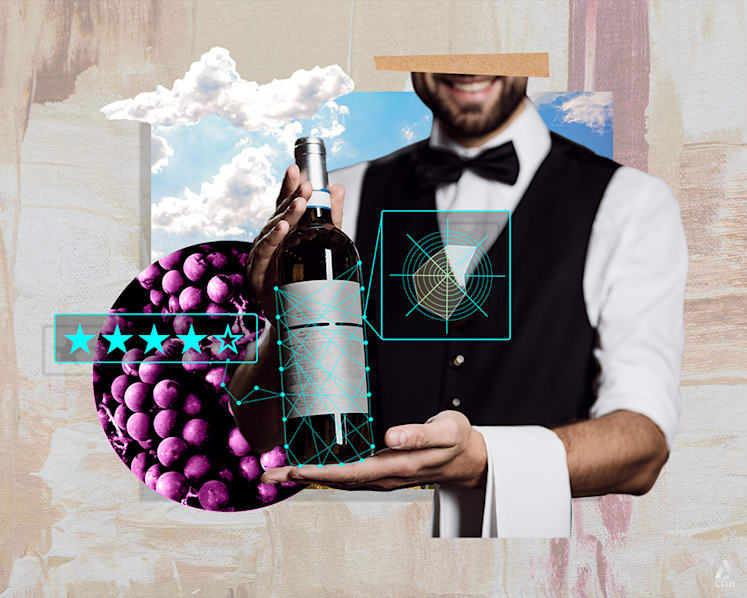
AI wine tools are becoming smarter at recommendations and pairings. But can they really replace sommeliers in fine dining? (Art: CNA/Chernling; photos: iStock)

This audio is generated by an AI tool.


For the wine uninitiated, few things are more quietly panic-inducing than choosing wine at a fine dining establishment. While the tasting menu is mercifully concise, the wine list arrives like a phone book filled with obscure regions, unpronounceable producers and prices that escalate alarmingly. Overwhelmed and confused, you hope someone – anyone – can save you from indecision, or worse, the wrong decision.
Sometimes there is no rescue at all, and you are left gambling on a region you vaguely recognise. Sometimes there is a waiter whose expertise begins and ends with “red, white or sparkling”. But occasionally, there is a sommelier – a calm, curious presence ready to guide diners through the complexities of wine.
But the sommelier now has company. There is another guide – one that lives in your pocket and is available at all hours, armed with encyclopedic knowledge of producers, grapes and pairings. AI can scan wine lists and labels, suggest bottles, learn your palate and offer options across different price points in seconds. Perhaps its biggest appeal is that users do not have to admit ignorance to another person. So should sommeliers be worried? Not quite. Because whether we realise it yet or not, we still want them.
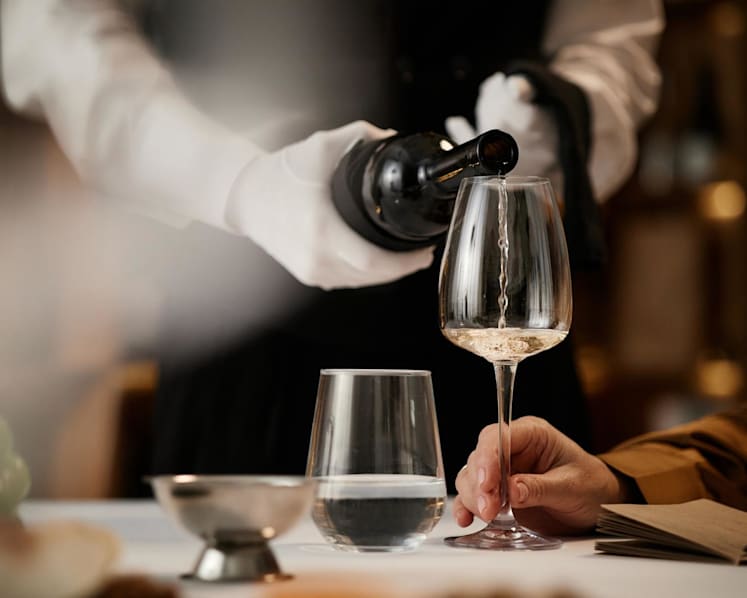
At its most basic level, a sommelier’s job is to help restaurants manage their wine programmes and guide diners through the list. The role is part guide, part curator and part educator. But spend time with the world’s best sommeliers and the job begins to feel far more layered than that. Xavier Thuizat did not become one of France’s most decorated sommeliers by taking wine at face value. Before the awards came – Best Sommelier of France in 2022, Meilleur Ouvrier de France in 2023 and the Michelin Guide Sommelier Award in 2024 – there was a question he could not shake: Why can we taste the orange in orange juice and the apple in apple cider, but not the grape in wine?
That question became the driving force behind his wine education, but no one could give him an answer. So he came up with his own: “Wine is the only way nature has to speak with us. The roots of the vine pull up the energy of the soil – the molecules of granite, limestone or clay – into the grape.” According to Thuizat, clay-heavy soils produce intense, full-bodied wines, while limestone lends freshness and brightness. “It could be the same grape, from the same winemaker, but if the soil changes you get a different expression. So it is not grape juice, but juice of the soil.” Listening to him is almost enough to make you forget other beverages exist (or matter).
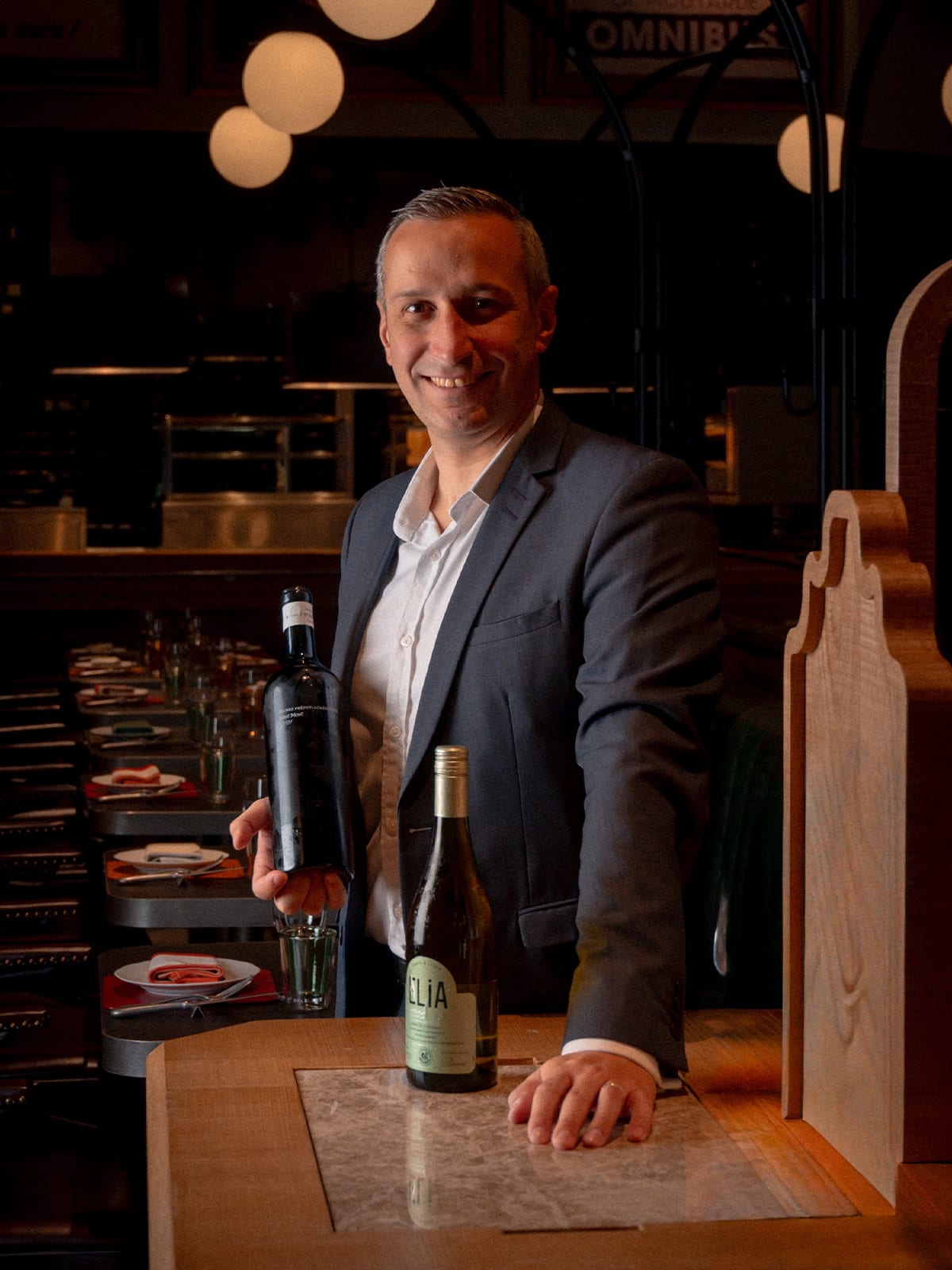
It is this poetry, earned over decades and delivered with such earnestness and passion, that a language model cannot replicate. But Thuizat’s philosophy only explains why the knowledge is fascinating and worth exploring further. What separates a great sommelier from a well-stocked database is something else: reading the room.
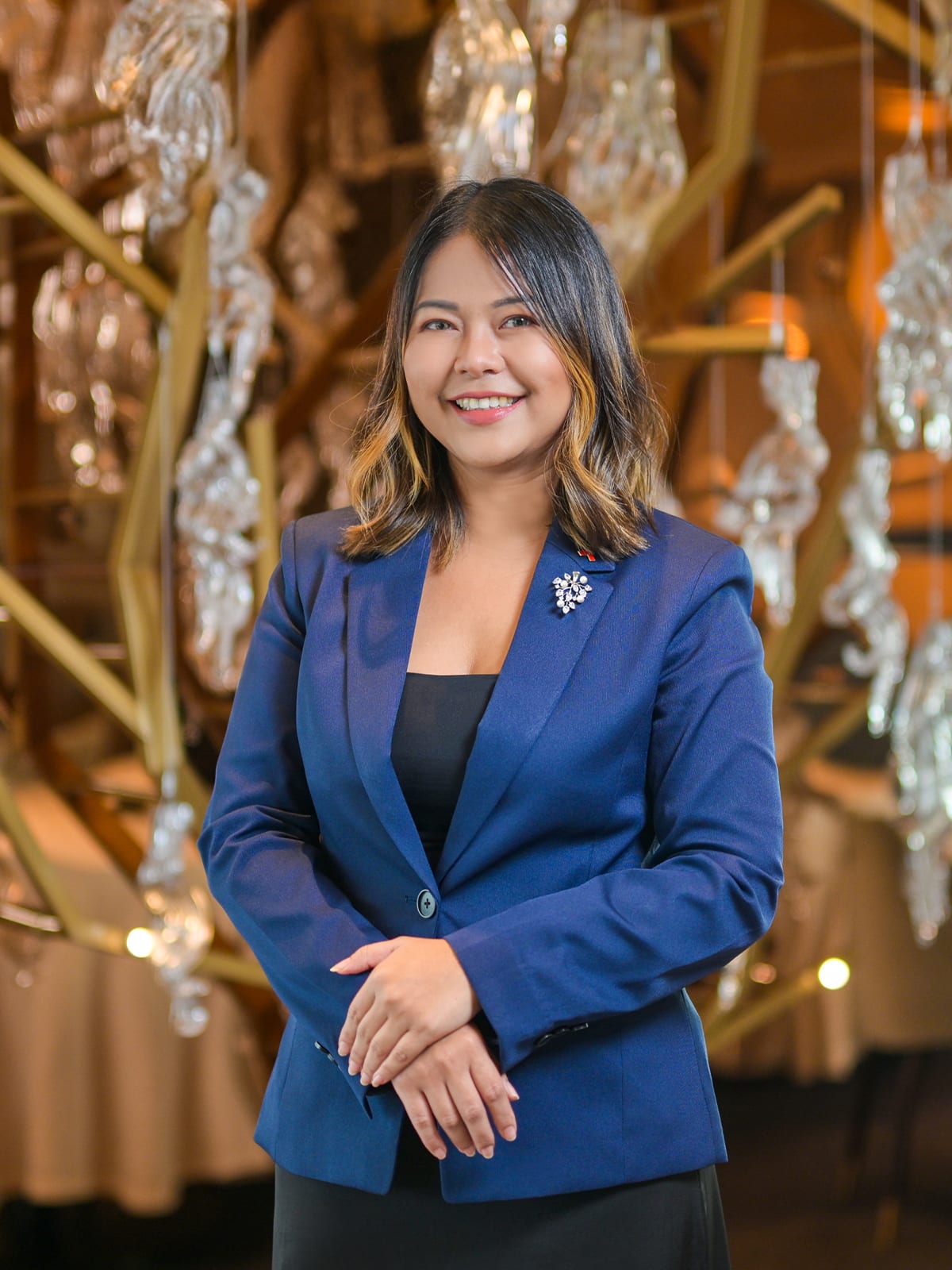
“AI helps narrow things down and gives people a starting point, which is great,” said Bella Sudarat Jankaew, head sommelier at Jaan by Kirk Westaway and winner of the Michelin Guide Singapore 2025 Sommelier Award. “But it doesn’t see how the table is feeling, how the dish actually tastes, or how preferences might change halfway through the meal. That’s where we come in. We adjust in real time, personalise things, and make the experience more human.”
And subtlety, it turns out, is a human art. There are many ways to draw out what a guest wants, even when they don't quite know themselves. Jankaew asks what kinds of food and flavours they enjoy – even something as seemingly off-topic as a favourite tea or fruit – and builds from there. “It becomes more of a conversation than a recommendation,” she said. When Thuizat comes across a new customer, he presents three options, each at a different price point. “Because if they are with a guest, we don’t speak about money. This is kept between us. So if he picks the wine that’s say, €150 (US$175; S$223), I will stay in this price bracket for the rest of my recommendations.”
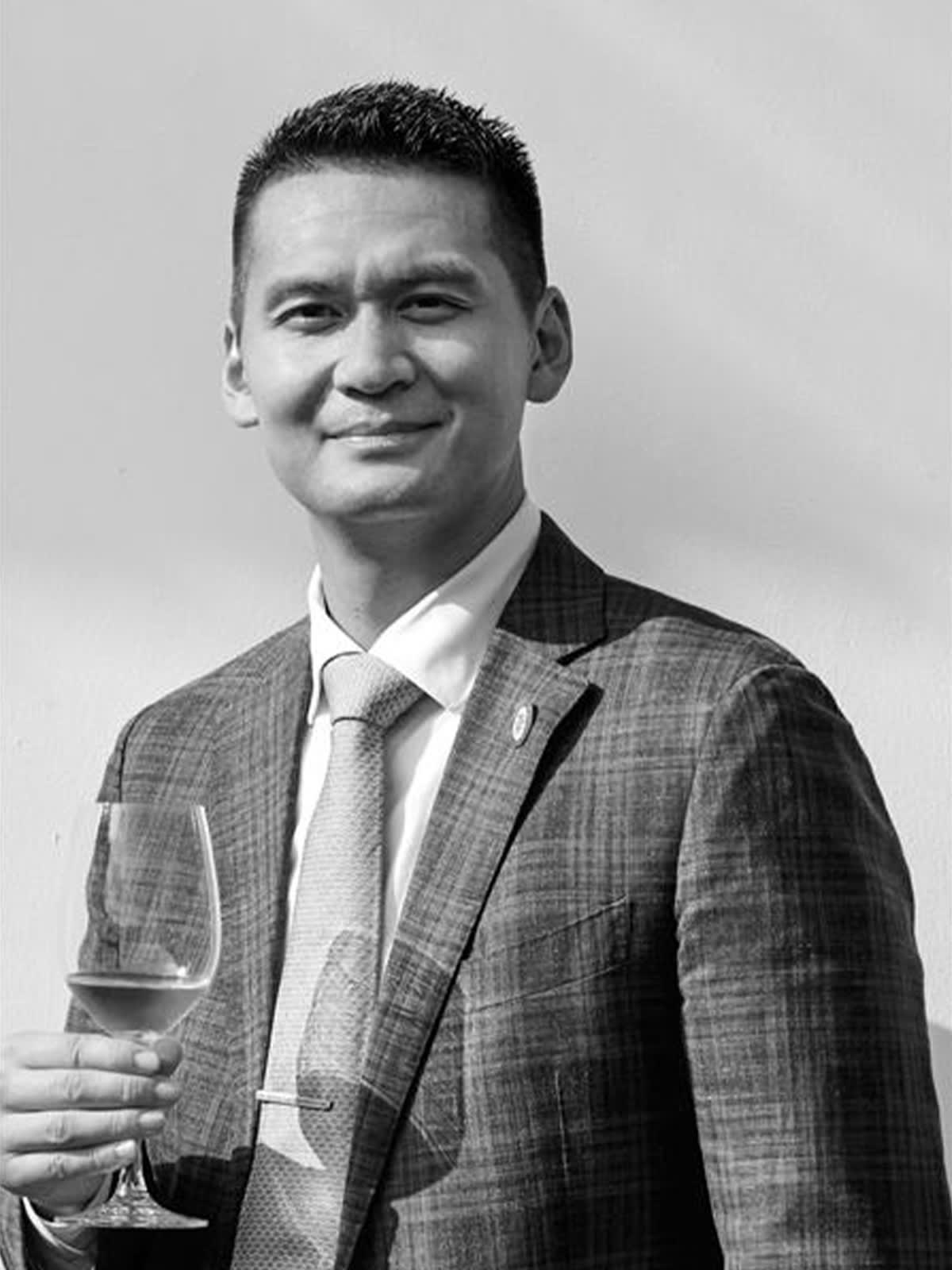
Some may worry their personal preference will clash catastrophically with the food and dread the silent judgment of a trained palate. But you can rest easy because for sommeliers like Mathias Camilleri, there is no such thing as a wrong pairing. Camilleri is Singapore’s first Master Sommelier (a title so rare there are only 279 of them worldwide), and learned early that everything is subjective. "Six months into the job, I was working at a restaurant in the UK that was very much about pairings. One table came in for a seven-course dinner and announced they only drank red wines. So I had to come up with 14 red wines.” It was an early, humbling lesson that challenged the orthodoxy of red wine with red meat and white wine with white meat. “The fact is, they already liked red wines. My job was simply to find an element in each dish that could connect with what they loved.”
A sommelier’s knowledge of wine and flavours is vast. But more importantly, it’s alive. Thuizat recently encountered a guest who insisted on opening a 94-point bottle, only to be disappointed by the experience. “This scoring system is dangerous for the wine industry because it is being classed before the wine is finished. Year after year the acidity in wine goes down while the alcohol goes up. So for a wine to earn 100 points it would have to peak super quickly, which isn’t natural,” he said. “Points give you an idea, but not the truth.” He is equally impatient with the industry’s appetite for instant verdicts, recalling a US journalist who declared 2024 a bad Bordeaux vintage based on reports of heavy rain in the region. “They wanted to show the world that they had the information first. But let the winemaker make the wine first, and then we can have a discussion.”
Like any discipline performed at the highest level, the skill is hard-earned. For sommeliers, that means theory, tasting and service – and, as Master Sommelier Roberto Duran, wine director at Temper Wine Room & Lounge, put it, “being able to recall all of it instantly, under pressure. Athleticism is a great way to describe what we do, because you're constantly training your palate, refining your knowledge, and learning how to perform while staying present with guests. In many ways, it feels very similar to sport – repetition, endurance, and precision over time.”
And like professional athletes, physical setbacks can happen. The day before Duran sat for his Master Sommelier tasting examination – his fourth attempt, no less – he contracted COVID-19 and lost his sense of smell for seven months. “Rebuilding my palate wasn’t easy. It was like starting from scratch. I had to relearn how to taste, how to trust my senses again, and adapt to a new normal. That was a tough chapter indeed.” Sure, AI can provide instantaneous conclusions, but it bypasses the very thing many people still admire in human expertise: the struggle and resilience that give mastery its texture and dignity.
None of which is to cast AI as the villain. Those on the other side of the wine list find it useful too. “It can help restaurant teams understand buying behaviour, manage stocks more efficiently, reduce waste, and make smarter decisions around pricing and cellar management,” said Duran.
Camilleri also admits there are things he forgets, and AI can surface that information quickly without him having to leaf through thousands of handwritten notes. In the end, he does not feel the profession is particularly under threat from AI. “To me, AI is a continuity of googling wine critics,” he said. “Who is the AI consumer? Someone sceptical and anxious, someone who doesn’t have the knowledge or confidence to ask questions.”
But summon that courage and ask those questions, because wine service is still about hospitality, and hospitality is about making people feel seen, understood and occasionally transported. One of Thuizat’s most cherished moments on the job involved a couple celebrating their 30th wedding anniversary. “I was just doing my thing,” he said, “telling wine stories with poetry.” Two years later, the man returned alone. His wife had died, but before she did, she made him promise to come back as a way of continuing those memories – because during those four hours at the table, she had forgotten she was ill. When Thuizat heard this, he said he had to sit down. “It was so difficult, but also so beautiful.”
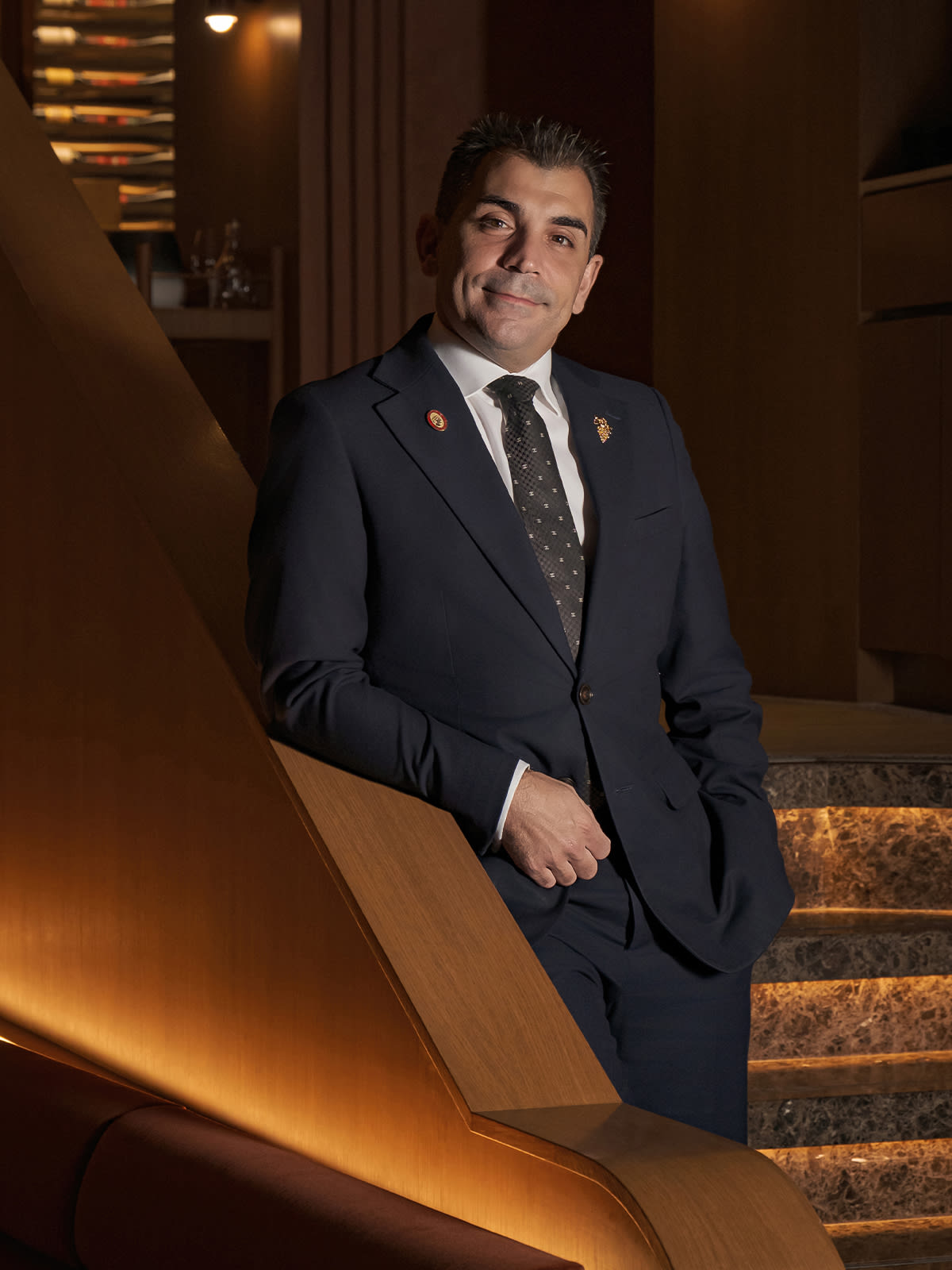
Then there was the billionaire who expected, as billionaires often do, to be offered Petrus or Domaine de la Romanee-Conti. Thuizat instead suggested a US$2,000 (S$2,550) La Romanee from Domaine du Comte Liger-Belair — a wine that for the record, has since appreciated into the kind of thing people buy and don’t open. “When he took a sip, he gasped. He said he had paid 10 times that and gotten less emotion in a glass.” A month later, the billionaire returned and said he would only book a room if Thuizat was there. “Year after year we have built a relationship,” he said, “because where most people see a walking bank, I saw a man who wanted pleasure.”
Wine culture and sommeliers do not need rescuing from technology – AI will inevitably become another tool in the ritual, if it hasn’t already. The best bottles are rarely remembered for their scores or tasting notes alone, but for who poured them, who shared them, and what was felt around the table. If wine is, as Thuizat said, the earth speaking to us through the vine, then the sommelier’s role is not just to translate it, but to make us feel something when we hear it speak.