URA’s 20 Under 45 is back: Meet the architects shaping Singapore’s next design chapter
Delayed by the pandemic, URA’s 20 Under 45 returns with an expanded cohort of 23 – including three above 45. We speak to several selectees about the long game of practice, what inspires them, and what Singapore needs to design better.
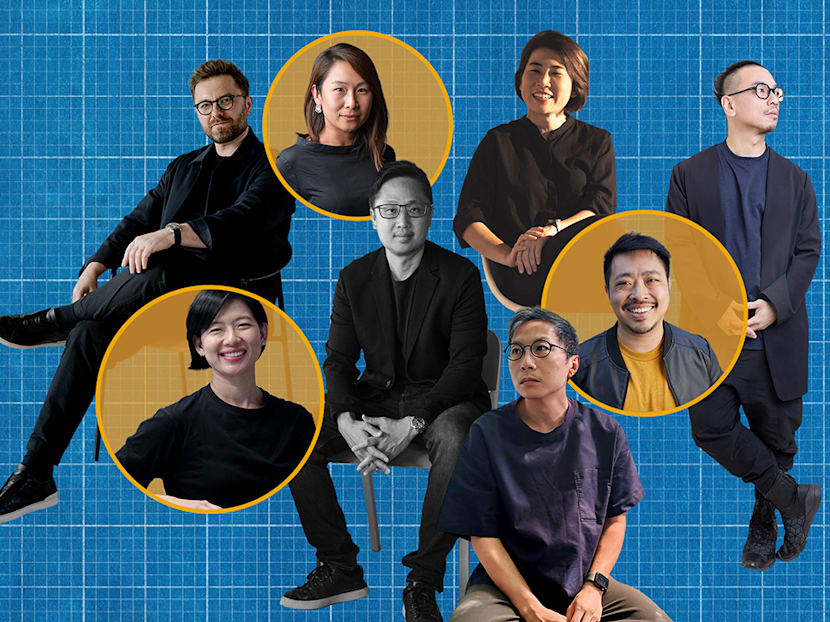
From private homes to adaptive reuse and civic spaces, the fourth edition of URA’s 20 Under 45 spotlights architects pushing the profession forward. (Photos: Courtesy of architects; Art: CNA/Chern Ling)

This audio is generated by an AI tool.
In 2004, the Urban Redevelopment Authority (URA) initiated the 20 Under 45 programme to recognise and celebrate young and emerging registered architects in Singapore, and to encourage their efforts over the long journey of the profession. The past three editions, held in 2004, 2010 and 2017, highlighted 60 architects, many of whom have gone on to become influential creators in Singapore and overseas.
Some of these luminaries include Chan Soo Khian of SCDA Architects; Aamer Taher of Aamer Architects; Wong Mun Summ and Richard Hassell of WOHA; Ling Hao of Linghao Architects; and Ko Shiou Hee, co-founder of K2LD Architects. They have spearheaded important research and developed new typologies in areas such as tropical building, green architecture, urban development, inclusive design and adaptive reuse.
“The 20 Under 45 architects’ body of works reflects the depth and breadth of our architectural talents and capabilities in being able to respond creatively and thoughtfully to diverse contexts and challenges,” said Fun Siew Leng, chief urban designer at URA and chairperson of the latest 20 Under 45 selection panel.
The COVID-19 pandemic delayed the fourth selection (2025/2026). As a result, it features 23 selectees instead of 20, including three above the age of 45 “to support the architecture community coming out of the pandemic, and to recognise the exceptional calibre of these deserving architects,” according to the press statement.
These 23 names were announced at the 62nd Singapore Institute of Architects (SIA) Annual Dinner on Jun 25, 2024. A book and exhibition for the fourth edition were launched on Jan 23, 2026, at the URA Centre atrium. Second Minister for National Development Indranee Rajah graced the opening; the exhibition will run until Mar 31, 2026.
Several initiatives were announced during the event. URA will launch design competitions for public-realm enhancement projects later this year, starting with two that focus on recreational facilities building on URA’s Identity Corridors engagements over the past two years. These include multi-purpose spaces at a new waterfront park along the Kallang River, and a pedestrian mall in the Katong-Joo Chiat area.
The first competition will be open exclusively to architects from this latest edition of 20 Under 45. The second, at Katong-Joo Chiat, aims to create “a focal point and gathering space for the community, and be designed with amenities like benches, landscaping, and infrastructure for events,” according to a press statement.
The selectees from this edition of 20 Under 45 who are producing impactful work within firms are: Aw Ee Loo Eugene (director at LAUD Architects); Chia Yu Hsien (director, Architecture & Digital Design, Building & Research Institute, consultancy arm of the Housing & Development Board); Chua Liang Ping (senior associate at LOOK Architects); Fu Zhuo Joe (director at Ong&Ong Architects); Razvan I. Ghilic-Micu (senior associate at Hassell); Andrei Johandiputra (senior architect at Multiply Architects); Koh Sock Mui (director at RT+Q Architects); Leong Lai Ping (senior associate at K2LD Architects); Cheryl Lim Zi Ying (senior associate at RSP Architects Planners & Engineers); Ng Ching Hsiung (associate director at DP Architects); Alina Yeo Hwee Hua (director at WOHA Architects); and Yong Mien Huei (senior architect at Wallflower Architecture + Design).
Those who have gone on to establish their own paths are: Kee Jing Zhi (co-founder of Freight Architects); Melvin Keng Xin’en (principal architect and founder at Kaizen Architecture); Goy Zhenru (principal architect at Goy Architects); Chaw Chih Wen (principal architect at Hyphen Architects); Lee Hui Lian (founder of OMG Atelier and associate at FARM Architects); Lim Pin Jie (partner at OMG Atelier); Lim Shing Hui (founder at L Architects); Quck Zhong Yi (partner at ASOLIDPLAN and associate director at RSP Architects Planners & Engineers); Tan Cher Ming (principal architect at Ming Architects); Wong Ker How (founding partner at ASOLIDPLAN); and Wu Yen Yen (principal architect at Genome Architects).
We gathered thoughts and insights from several selectees on their journeys, struggles and inspirations.
CHAW CHIH WEN (PRINCIPAL ARCHITECT AT HYPHEN ARCHITECTS)
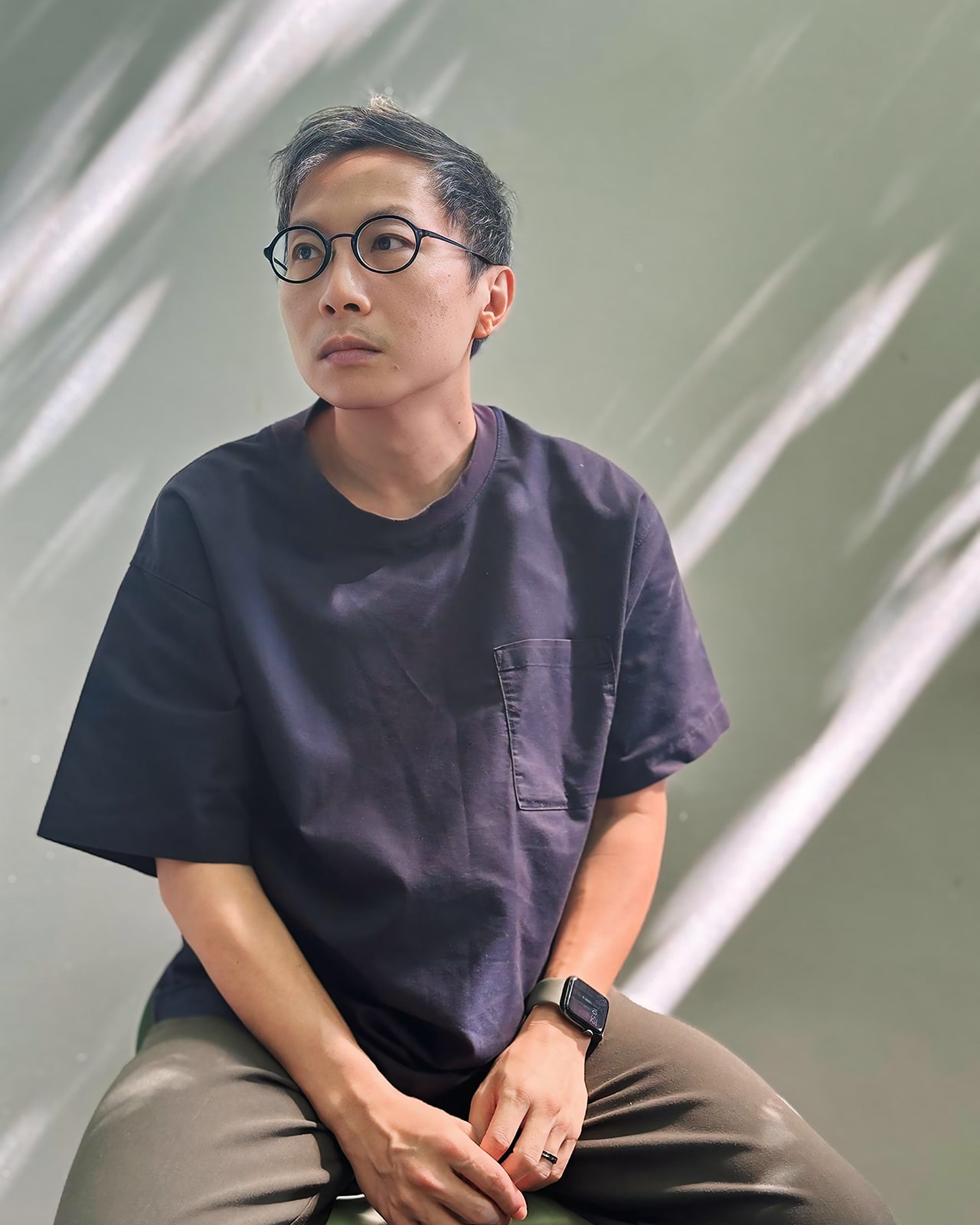
Chaw’s father was a Resident Technical Officer (RTO) – a certified site supervisor for construction work. Chaw discovered the industry by looking at photographs his father took while working on projects such as Pearl Bank Apartments and the Singapore Airlines Building.
In 2015, Chaw started Hyphen Architects as a “small, slow practice” focused on producing meaningful work. He believes that an architect’s responsibility, however modest, is to shape not only our physical environments but also “the cultural and social construct of our society”.
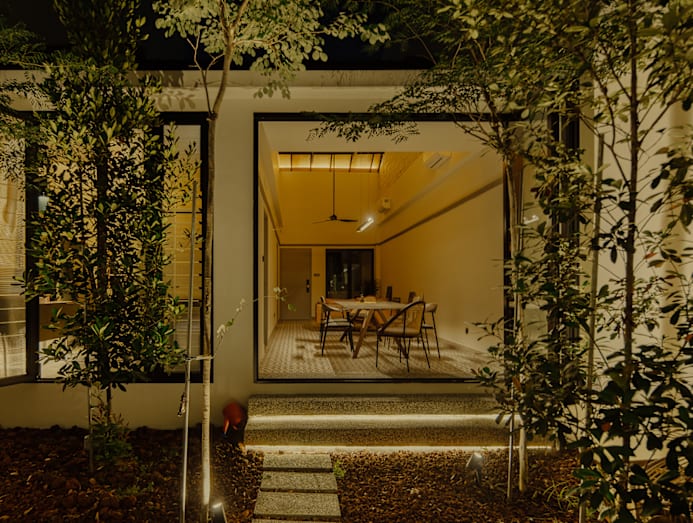
Chaw said: “This influence need not always manifest as a building; it can take the form of policymaking, education, writing, or any platform through which architecture thinking can enter the public realm.” Recognising that architecture is not just an industry but also “an intellectual discipline with its own way of seeing, questioning, and articulating the world” helps expand the architect’s role within surrounding cultural and civic life.
On how clients can play a part, Chaw hopes they recognise that a project’s success is not just about aesthetics or the “arithmetic of fees”, but is, at its core, a collaboration that “requires a space where architect and client can meet, listen, and allow one another the freedom to contribute.”
KOH SOCK MUI (DIRECTOR AT RT+Q ARCHITECTS)
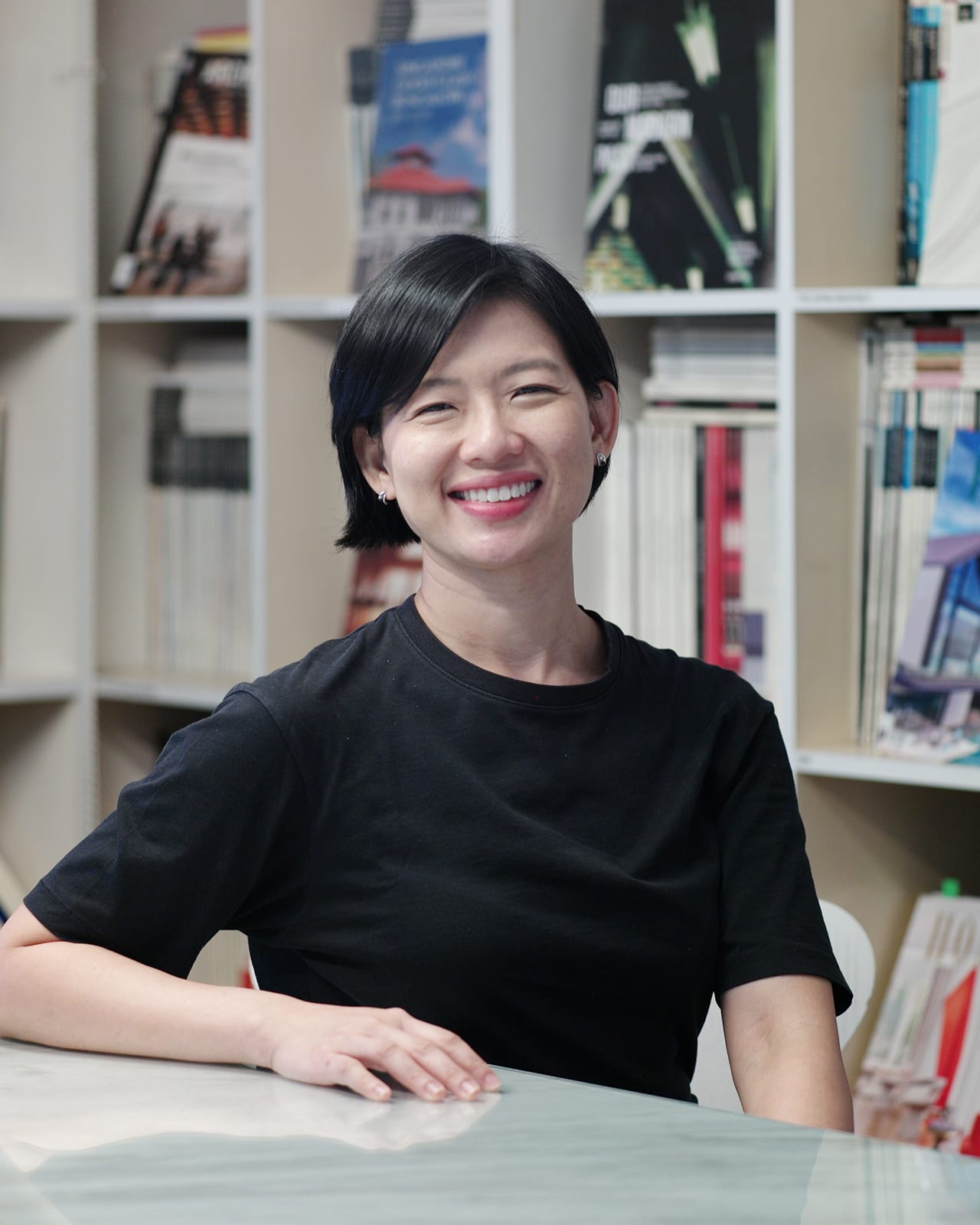
When she was young, Koh Sock Mui and her siblings spent part of their holidays in her aunt’s office. The latter, Saw Ai Eng, was among the pioneer generation of female registered architects in Malaysia. Koh recalled “ostensibly helping her colour plans for submissions, but really, we were just stuffing our faces with the charcoal-toasted butter sugar toast and ice milo that she ordered in from the kopitiam opposite.” Her aunt not only encouraged the children to sketch, but also “sat with us, sketching permutations of rooms narrated with stories of how each of us could use the spaces,” Koh shared. “That sparked an enduring interest in creating living spaces that has lasted to this day.”
In 2011, she joined architecture firm RT+Q Architects, where she has created many of its beautiful and inventive houses. “Every project is like delivering a baby; you carry it for a couple of years, and it is most fulfilling when you get to hand over completed houses to their owners and see how they make it their own,” Koh said.
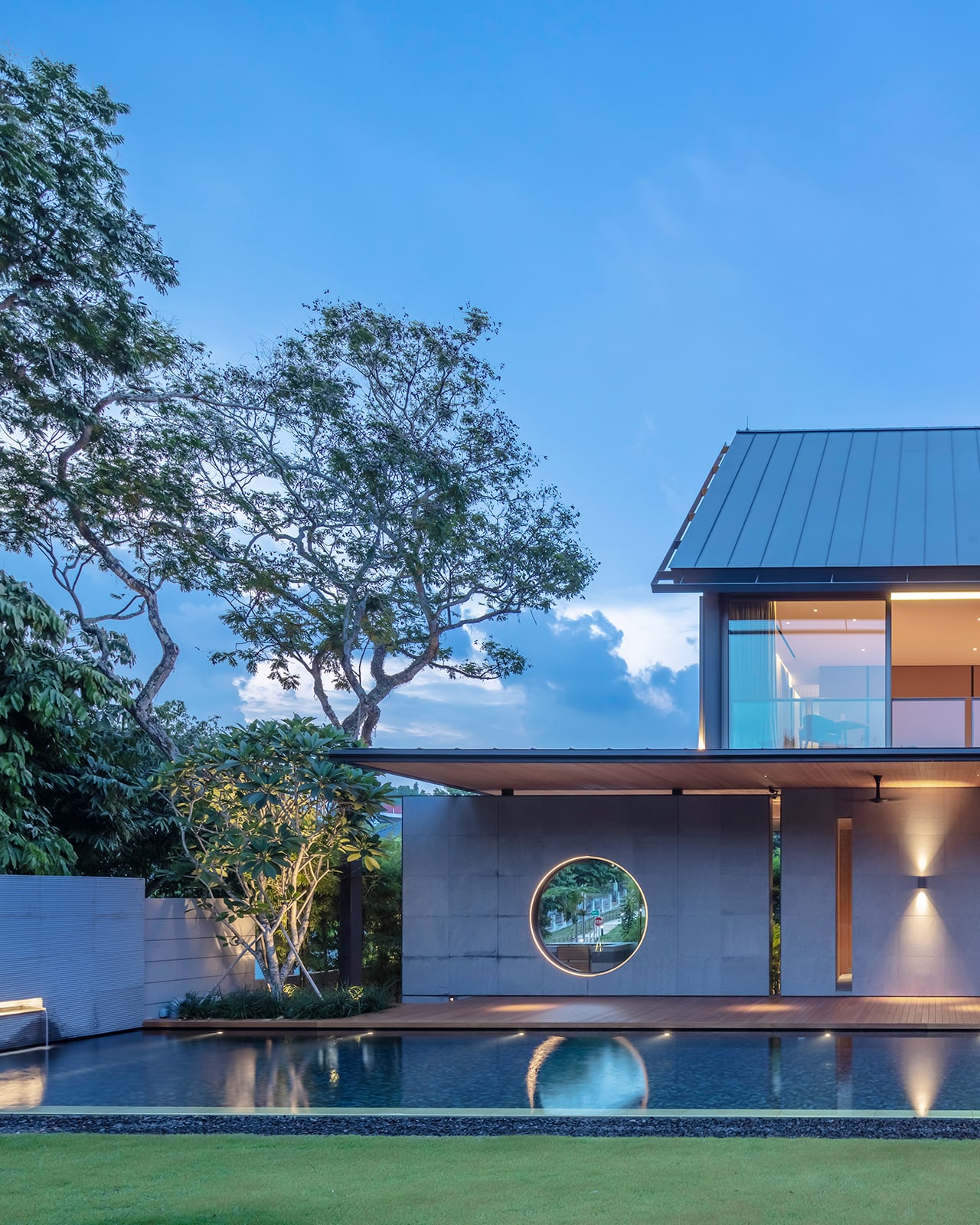
She sees every project as a chance to learn something new, “whether it’s a new technology or a new detail”, and notes that realistic timelines and fees can help empower creativity and innovation in the local architecture industry. Koh is also a champion of climatically attuned buildings. “The delights of our tropical climate, with the right shading strategies and planting, will lead to better projects. It is very possible to enjoy our weather without resorting to air-conditioning all day, all year round,” she said.
LEONG LAI PING (SENIOR ASSOCIATE AT K2LD ARCHITECTS)
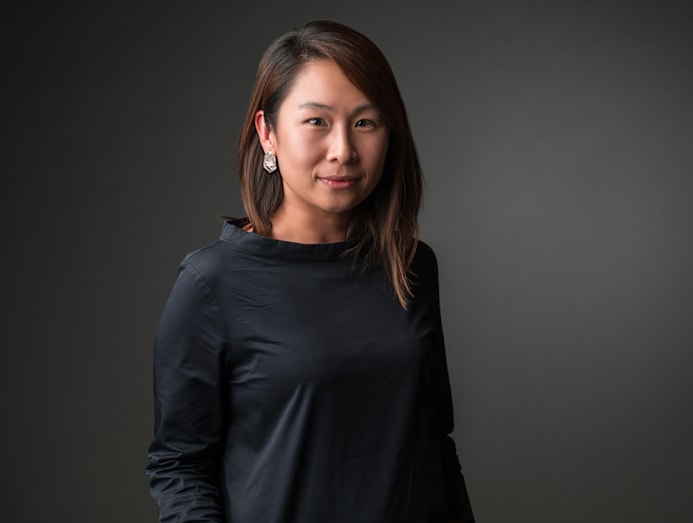
“Architecture demands patience, resilience, and a long-term commitment. Progress is rarely linear – professionally or personally. Balancing the pursuit of design excellence with the realities of practice, responsibility, and life roles has not always been easy,” Leong Lai Ping shared on the demands of the profession.
Yet, when clients return for repeat projects, or when a project continues to be loved and carefully adapted, it affirms that her work carries meaning “beyond the drawings and the construction phase.” Leong became an architect because she was drawn to how well-designed spaces can touch people’s lives and shape relationships between environments and users.
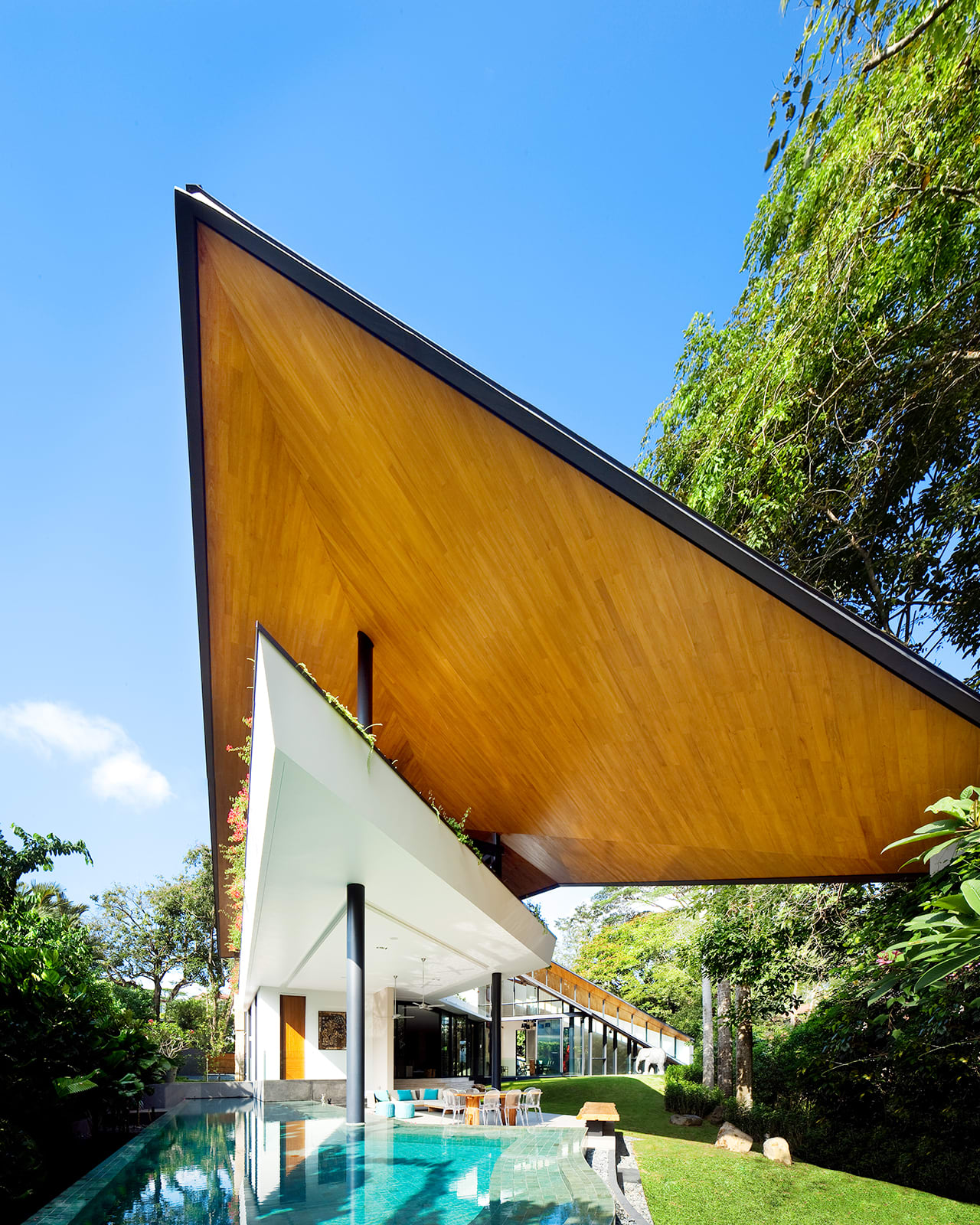
Beyond deliverables, Leong believes that more institutional platforms that reward design quality, experimentation and research can better support young and mid-career architects. “Mentorship, fair procurement processes, and recognition of diverse career paths can help sustain creativity over the long term,” she added.
Ultimately, innovative architecture is not just about new technologies. “It values empathy, responsibility, and a commitment to designing spaces that meaningfully improve the way people live. When the industry aligns around these principles, creativity can flourish with purpose,” Leong reflected.
TAN CHER MING (PRINCIPAL ARCHITECT AT MING ARCHITECTS)
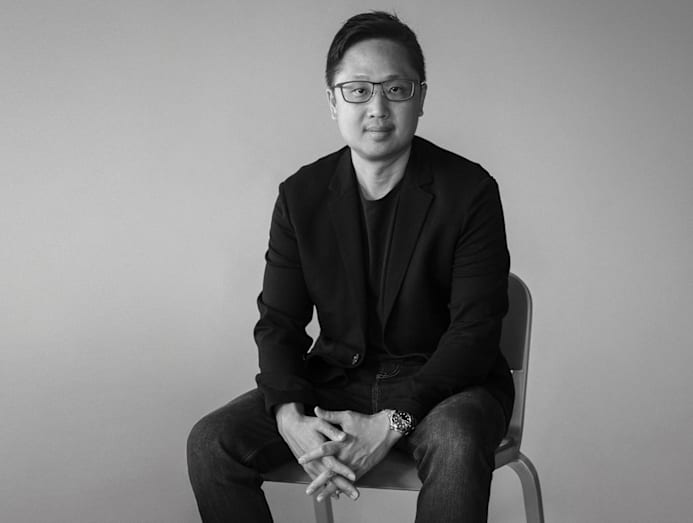
From a young age, Tan Cher Ming knew he would pursue a creative career. “I enjoyed sketching and drawing cars, buildings and human figures from as long as I can remember, and became passionate about design in my teenage years,” he shared. Tan founded Ming Architects in 2015, and now specialises in designing houses.
“I think being granted the opportunity to make a difference in the built environment in Singapore and improving my clients’ lives through my designs give me a strong sense of fulfilment in my work,” he shared. The initial years of starting his firm were challenging, as the lack of a strong portfolio and his young age made it hard to get clients. Today, clients approach Tan for his thoughtful approach to incorporating nature into dwellings.
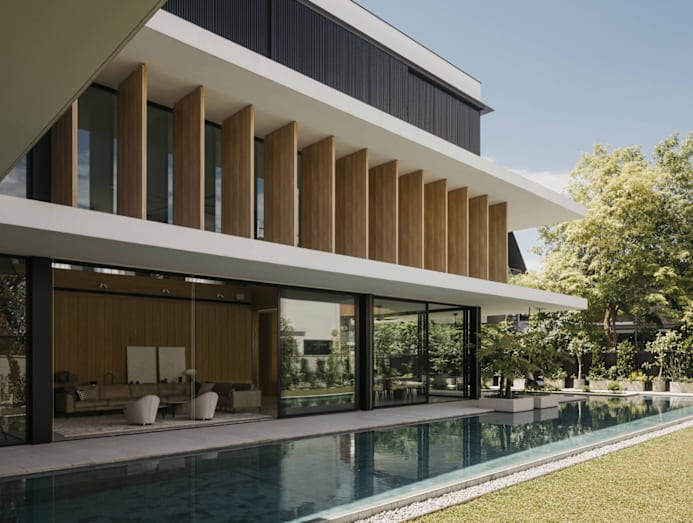
“I am particularly inspired by courtyard living, and we are evolving our own interpretation of contemporary architecture to suite the local Singapore context in all our projects,” he explained, adding that he hopes more clients will realise bigger is not always better, and that “porous and permeable” buildings are more liveable than many typical Singapore houses that are “closed off from the elements” with air-conditioning all day.
Tan believes that more open discussion between architects and the authorities is needed to improve the local industry, as certain regulations are “quite restrictive” to creative work. He added that architects also have a responsibility to explain and push their ideas with clients.
RAZVAN I GHILIC-MICU (SENIOR ASSOCIATE AT HASSELL)
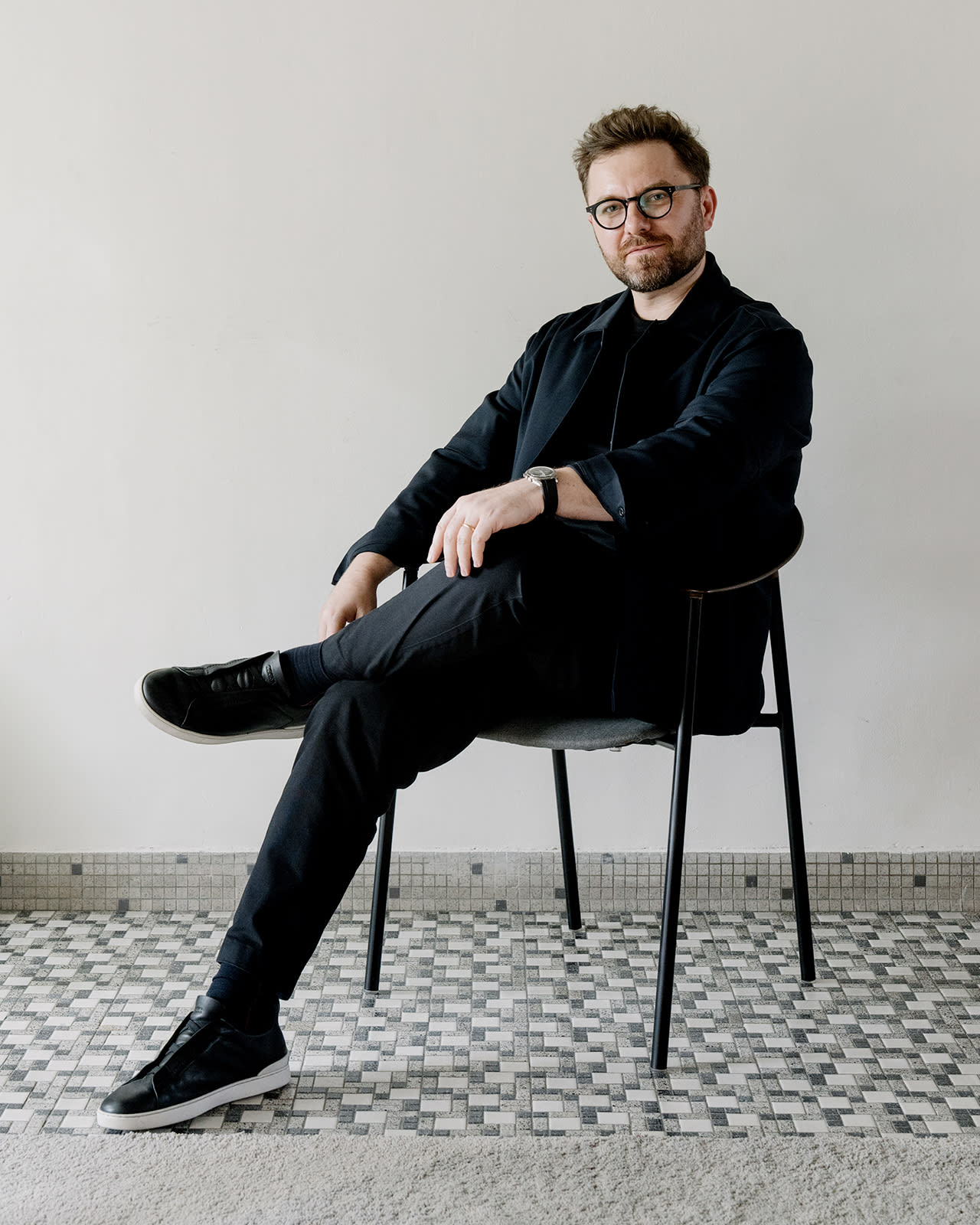
Like many architects, Razvan I Ghilic-Micu was a creative child, with a “natural inclination to express ideas through writing and drawing”. Born in Romania, he studied architecture at Princeton University and worked in Toronto and New York before joining Singapore firm MKPL Architects in 2013. For the past nine years, Ghilic-Micu has worked in the Singapore office of Australian firm Hassell.
“Architecture offers a real chance to improve how people live, to care for what already exists and to push the discipline into a new territory,” he said, explaining why the profession intrigues him. This is also why Ghilic-Micu teaches, as he can “help others see the world differently.” He has contributed to The Singapore Architect (the official magazine of the Singapore Institute of Architects) for almost eight years, most recently as editor-in-chief.
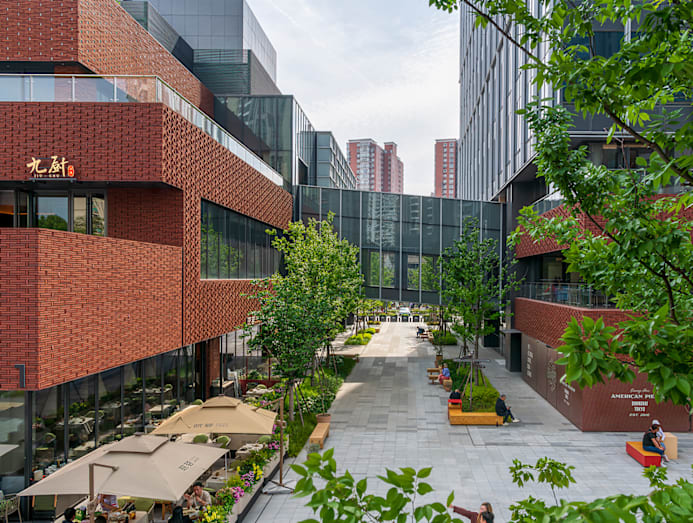
After many years working in Singapore, Ghilic-Micu recognises there is ample talent and ambition here. But he believes “what will unlock the next leap is giving more room to test ideas, iterate, and rethink existing assets rather than defaulting to demolition or shiny novelty.”
He explained: “Creativity thrives when we value long-term environmental performance, adaptive reuse, and user-centric research as much as formal expression.” Ideally, a more supportive regulatory and procurement framework would support such experimentation and result in “more inventive and future-ready outcomes.”
LEE HUI LIAN (FOUNDER OF OMG ATELIER AND ASSOCIATE AT FARM ARCHITECTS)
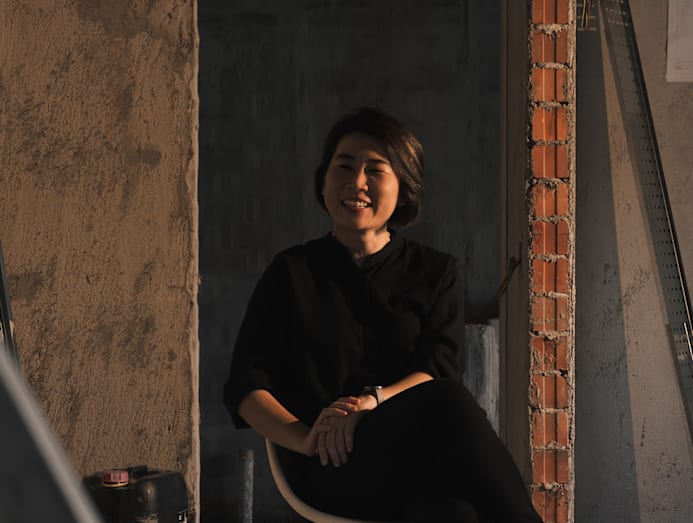
As an architect, Lee Hui Lian appreciates “the rigour of the discipline, and its responsibility to people and place.” She founded OMG Atelier in 2021 but continues to collaborate on projects with multidisciplinary studio FARM, where she worked for many years previously.
For Lee, the most fulfilling aspect of the profession is when projects “become part of everyday life.” She elaborated: “It is especially meaningful when users later recognise architecture gestures they did not notice at first, often because they were used to their preconceived ways of living.” Lee also makes time to teach architecture, which “keeps me reflective and critical.” She is currently a part-time adjunct associate professor at the National University of Singapore.
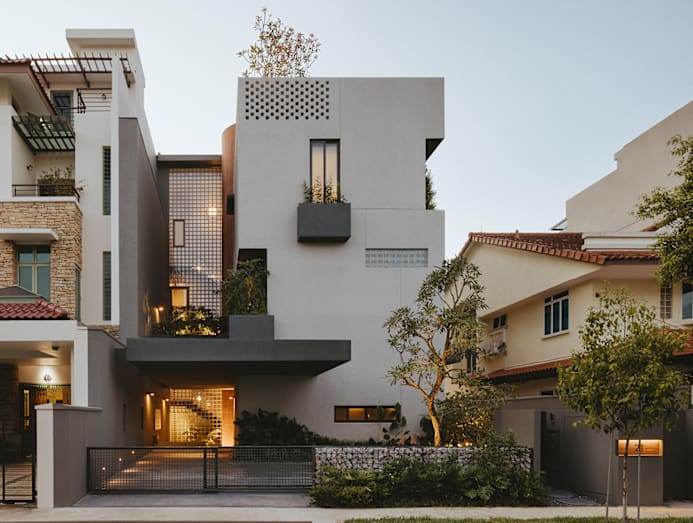
To cultivate a better architecture industry in Singapore, Lee hopes people will take time to understand what architects do. She explained: “Architecture should not be seen only as a service, but also as a cultural practice that shapes how we live and understand space. When design thinking is better appreciated, there is more room for experimentation beyond default solutions.”
Lee also wants clients to realise that architecture is a creative process, rather than an exercise in executing an initial design or rendering. “I hope clients feel comfortable having fun with the project, staying curious and open-minded rather than overly certain from the start,” she said. “When clients trust that not everything needs to be filled or defined, and allow some room for exploration, architecture can support living in a more flexible, personal, and enduring way.”
QUCK ZHONG YI (PARTNER AT ASOLIDPLAN AND ASSOCIATE DIRECTOR AT RSP ARCHITECTS PLANNERS & ENGINEERS)
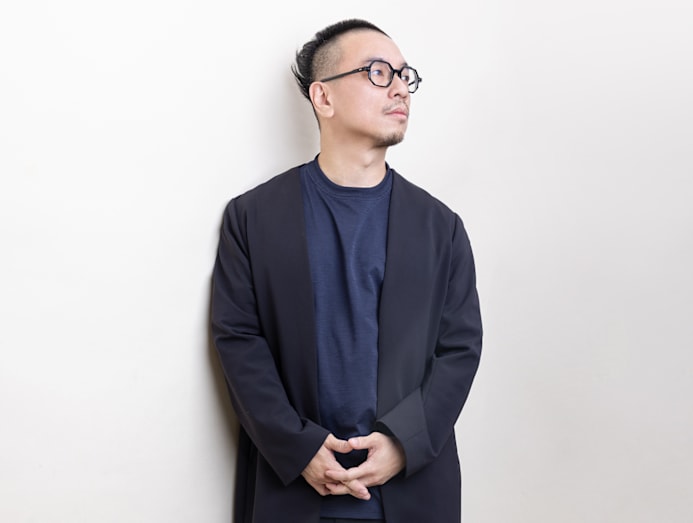
In 2014, Wong Ker How founded ASOLIDPLAN. Quck Zhong Yi and Lim Jing Feng later joined him in leading the firm, which has worked on apartments, houses, adaptive reuse, commercial projects, exhibitions, and stage sets. For Quck, the next project is always the most challenging – which he sees as a good thing, as it pushes him to create better work.
A firm believer in inspiring the next generation, Quck also teaches architecture at institutions such as the National University of Singapore, where he graduated, and LASALLE College of the Arts. He has also contributed to the local architecture fraternity through his involvement with the Singapore Institute of Architects over the past seven years.
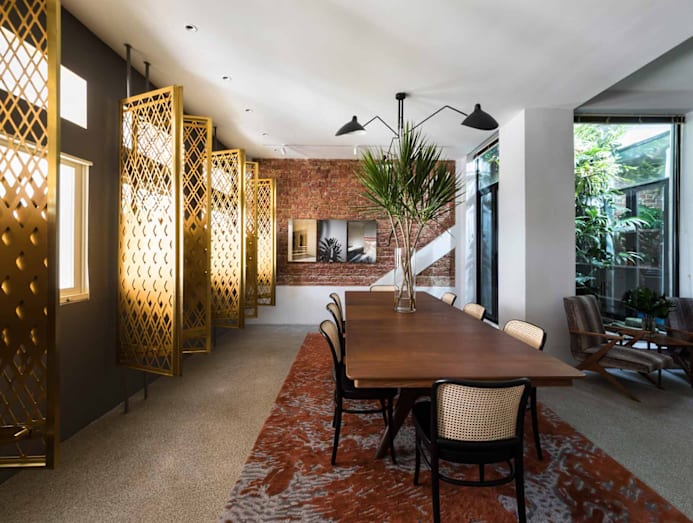
One of his most fulfilling projects was designing the stage for the National Day Parade (NDP) 2025, where ASOLIDPLAN was able “to be part of something so much bigger that brought joy to many.” It was not the first time the firm had contributed to the NDP; Quck also designed the 2018 stage. “I managed to apply my experience in urban design, architecture, and interior design to something I’d never done before, making a significant contribution to what an NDP stage could be,” he shared.
On how he feels the local architecture industry can be improved, he pointed to the need for better remuneration. “Every practitioner – from interns and fresh graduates, to business owners and corporate management – must collectively and persistently apply the upward pressure for higher wages and fees, and fight against exploitive contracts. It is only when we are fairly remunerated that we can even have the time and energy to be truly creative,” Quck said.
WONG KER HOW (FOUNDING PARTNER AT ASOLIDPLAN)
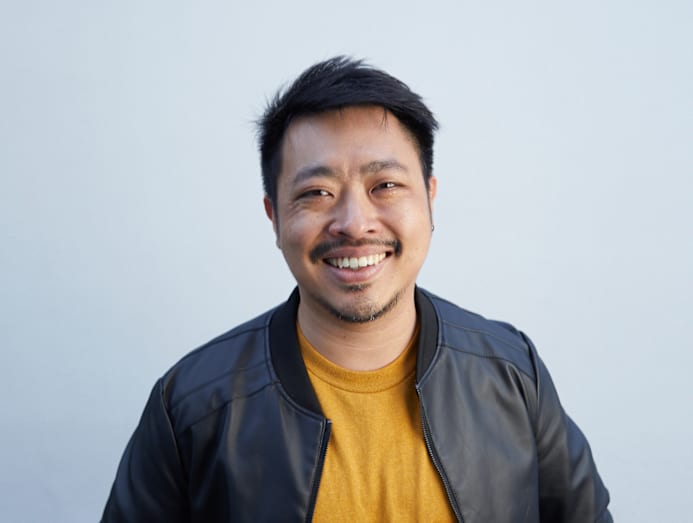
As a child, Wong Ker How questioned everyday design details, from why HDB corridors sometimes have steps to how temples create a smoky, atmospheric interior with hanging circular incense coils. These observations shaped his belief that spaces can influence people more deeply than almost anything else.
Case in point: A client once stood staring at a house Wong had designed for him for a long time. “When I asked him what was wrong, his answer was that he had not, and could not have imagined his house to be like this. That’s when I realised the power of the vision of an architect,” he said. Such incidents challenge him to keep evolving “to be a better architect, to break boundaries and be experimental without falling into the traps of society’s pressures.”
One way to empower creativity and innovation is to challenge the city-state’s ‘perfectionist’ attitudes. “We must cultivate courage. The culture of fear of failing has become the main obstacle to our growth. The courage to fail countless times is the first step to truly innovate and to create. Failures are essential for us to breakthrough prevailing norms and mindsets,” he said.
Learning from other practitioners and creative bodies – such as through the design of the Venice Biennale Singapore Pavilion 2023 – is important for self-growth. Wong also hopes clients will engage architects “for their professionalism and vision”, rather than to replicate a project they already have in mind. “Trust your architect as much as you would trust your doctor,” he emphasised.