Why Magia de Uma is one of Bali’s most distinctive new boutique hotels
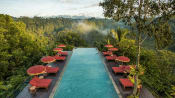
Set between Seminyak, Canggu and Berawa, Magia de Uma brings together restored Javanese joglos, rice-paddy views, thoughtful wellness and a deeply personal vision of Bali hospitality.
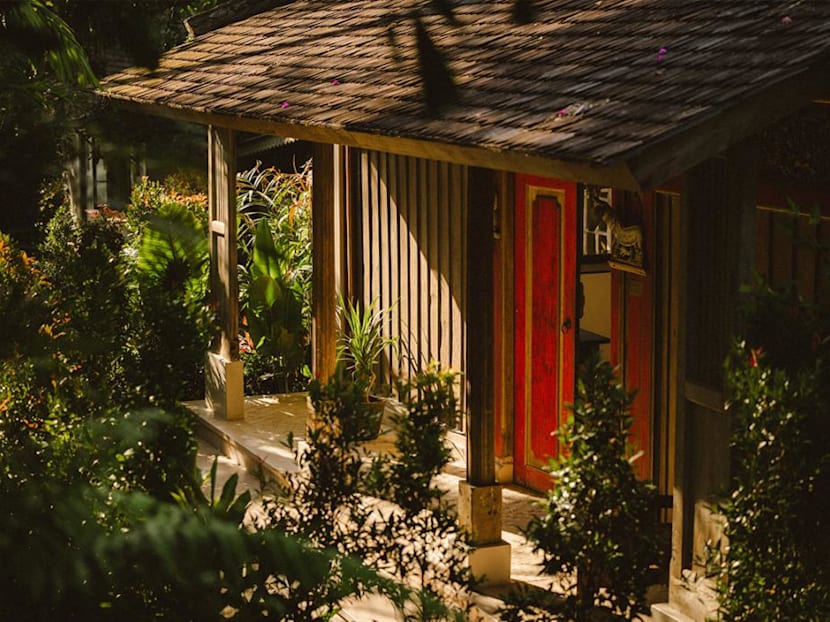
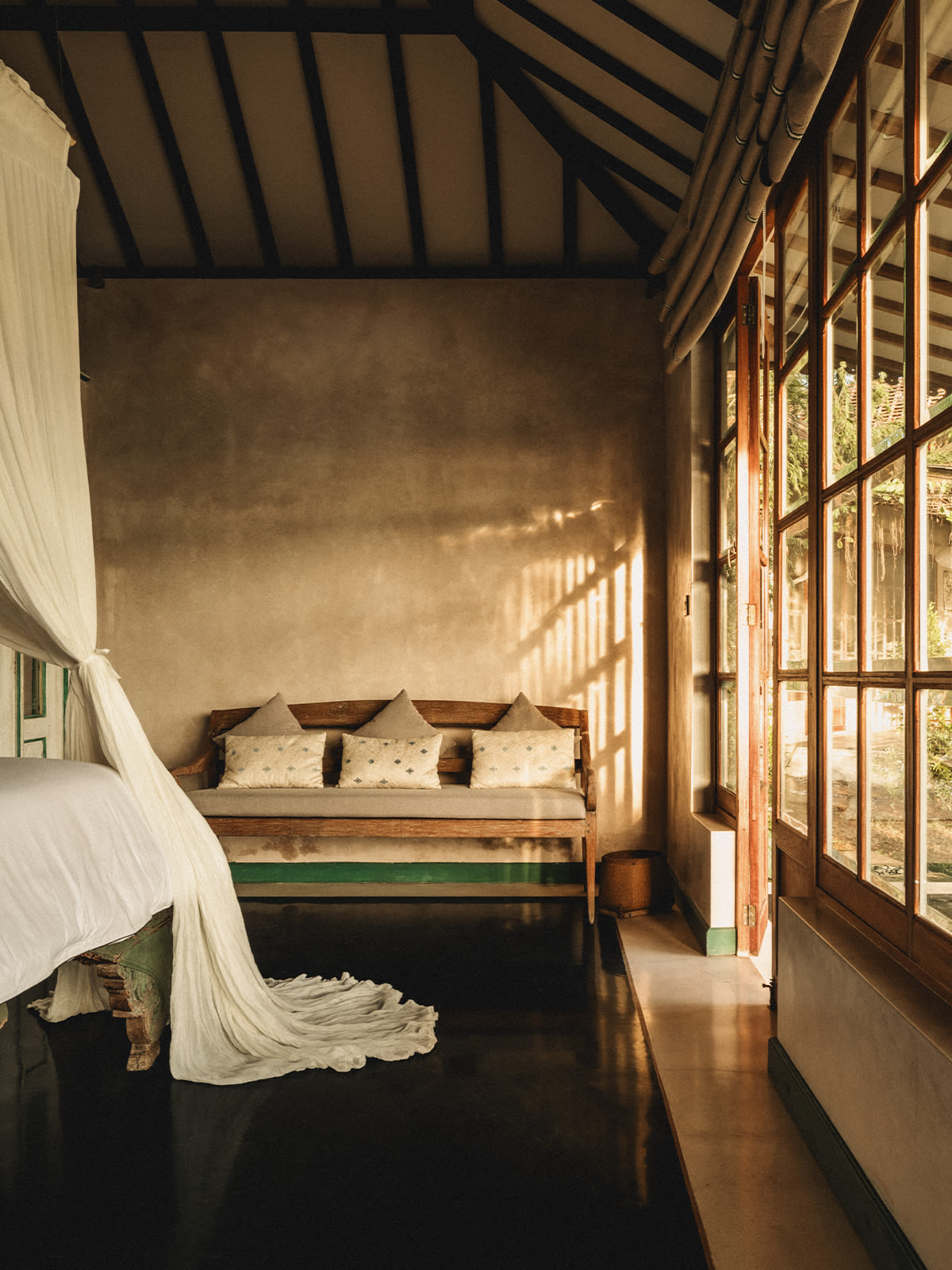
Magia de Uma is a 14-key hideaway in Umalas, offering a quieter side of Bali with lush gardens and rice-paddy views. (Photo: Magia de Uma)

This audio is generated by an AI tool.


For many travellers, Bali conjures a familiar image: high-energy beach clubs, sprawling resorts and traffic that can test even the calmest holiday-goer.
Which is why arriving at Magia de Uma feels like a breath of fresh air. Tucked down a quiet lane in Umalas – a residential enclave between Seminyak, Canggu and Berawa – the property feels like a hidden garden. The soundtrack shifts immediately from the cacophony of scooters to birdsong.
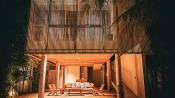
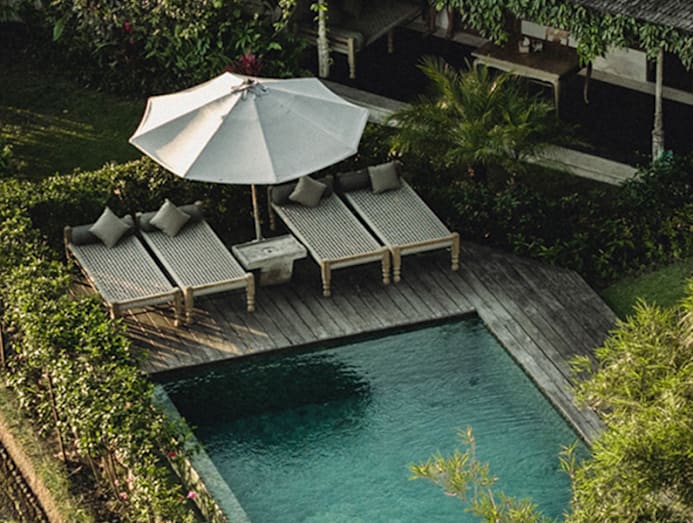
Scattered among hibiscus, marigolds and ancient banyan trees are restored Javanese joglo pavilions – some dating back 150 years – alongside low-slung bungalows that predate the hotel. Each structure has been reimagined as a standalone villa or hotel suite.
The guiding force behind the retreat is its Javanese founder, Rosa Ashari Sertoli, who created the hotel with her husband, Italian entrepreneur Jacopo, with a clear focus on preserving the site’s natural elements and existing structures wherever possible.
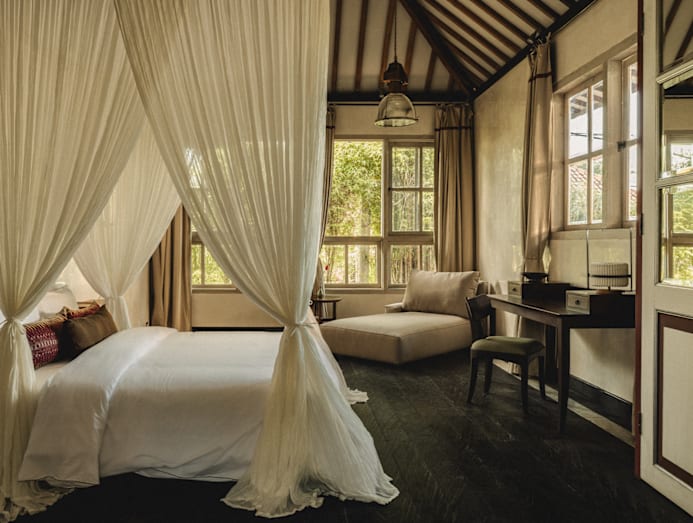
“Our aim was to conserve, not restore to perfection, so guests can feel the history of the place,” said Rosa. “By protecting the land, the sacred trees and artisanal techniques, we hope guests leave with a deeper appreciation of Indonesian heritage. In a world that often seeks impersonal flawlessness, we wanted to show the passing of time.”
The name reflects their cross-cultural partnership: magia means ‘magic’ in Italian, while uma means ‘rice field’ in Indonesian – together, the phrase loosely translates as ‘magic in the rice field’.
The 14-key property, which opened in November 2025, is the latest addition to the Design Hotels portfolio – a collection of more than 300 design-led properties across 60 countries, each chosen to reflect its surroundings.
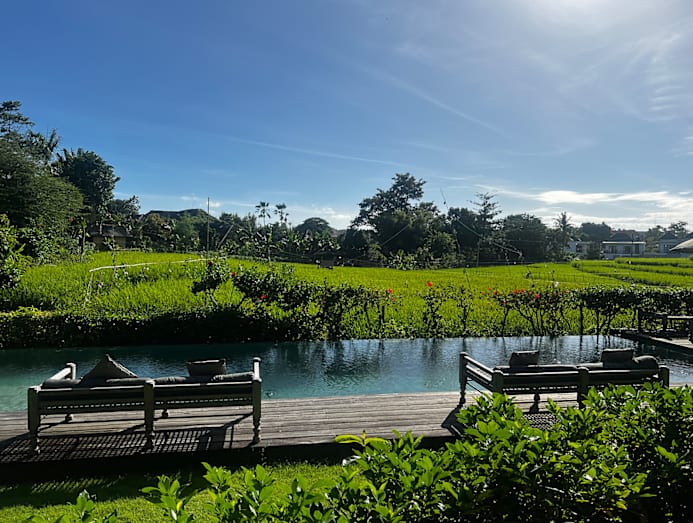
At Magia de Uma, a handful of bungalows open onto a vivid green rice paddy – a view that once defined Bali’s landscape but is becoming increasingly rare as development replaces farmland.
The project is deeply personal. The couple – who have a young daughter – spent two years searching for a family home in Bali before settling in Umalas, drawn by its rice fields and sense of quiet.
Then came an unexpected opportunity: in early 2025, a neighbour preparing to relocate overseas offered to sell them the adjacent plot of land.
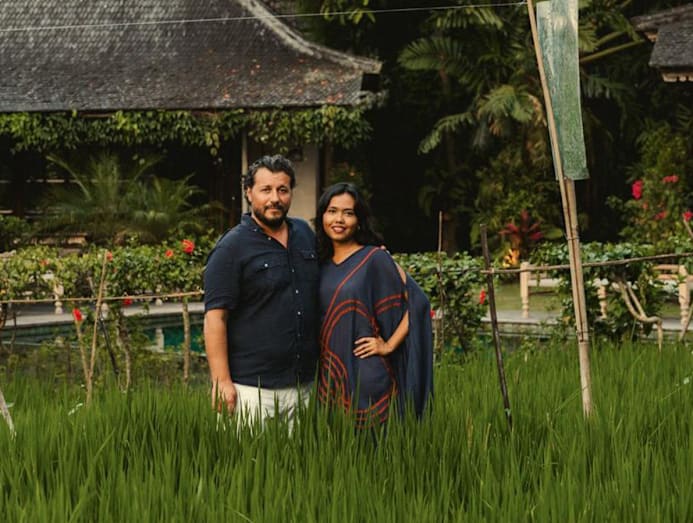
“For us, it did not make sense to have two houses,” said Rosa, who moved to Bali 14 years ago to attend university and later worked in hospitality. “So we thought, why not create something meaningful?”
She had long dreamed of opening her own hotel, and this was her chance. Together with Jacopo – who has experience in real estate and construction – she set out to create something deliberately different from Bali’s sprawling resort landscape.
From managing contractors and vendors – and troubleshooting when workers abruptly left mid-project – to assembling and training a team, she faced a steep learning curve while raising a young child.
“The biggest challenge is finding like-minded people who share our vision,” she said.
In the meantime, she has stepped in to fill the gaps and remains closely involved in the hotel’s day-to-day operations. She has also played a key role in shaping its aesthetic, drawing on her long-standing interest in fashion – an influence evident in tactile details, from high-quality linens and breathable fabrics to layered textures that give the interiors a sense of ease.
Her affinity for joglos – traditional Javanese wooden structures – has also given the property its distinct character. Distinguished by soaring, tiered roofs and intricate joinery, they are typically constructed without nails, using interlocking wooden beams assembled with remarkable precision.
“They carry a strong sense of heritage, and there is a depth to their craftsmanship that newer structures just do not have. It is something you notice immediately,” said Rosa, who is often seen chatting with guests at mealtimes.
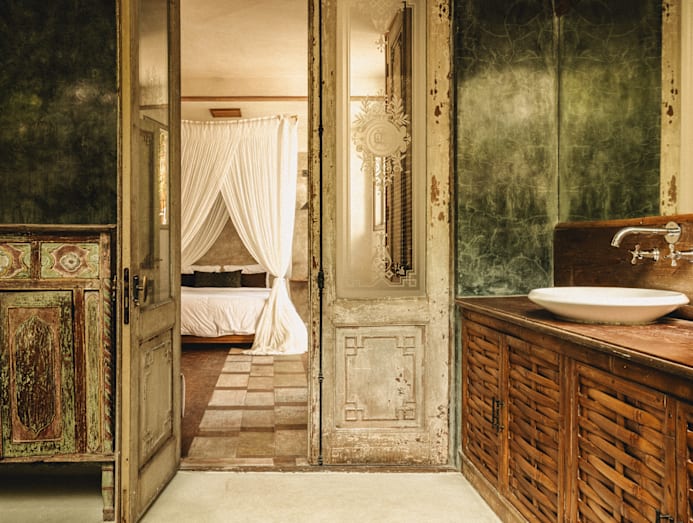
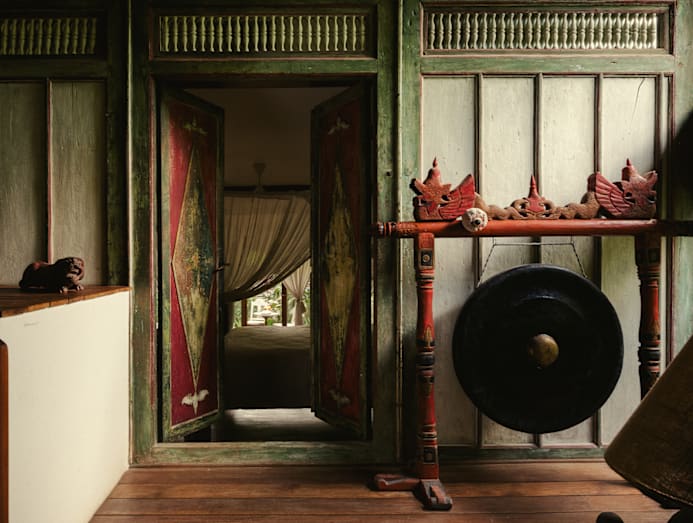
Working with an antiques specialist, the team carefully dismantled the joglos in Java and transported them to Bali, where they were reconstructed piece by piece at Magia de Uma. Rather than restoring them to a pristine state, the team chose to retain their irregularities – gaps in the wood that catch the light at certain angles and paint-worn panels that speak to their age – allowing their natural patina to come through.
Two of these joglos have been reimagined as guest villas, with subtle contemporary interventions such as soft Italian limewash walls, mid-century modern furnishings, and discreetly integrated air-conditioning and plumbing.
Another has been converted into an intimate spa with a single treatment room, sauna, ice plunge, yoga pavilion and compact gym. A small retail corner showcases a mix of Balinese designers alongside a few prototype pieces by Rosa from the label she hopes to launch.
The spa focuses on unhurried treatments. The volcanic temple stone massage, which uses heated basalt stones to ease muscle tension and allow for deeper, sustained pressure, is a standout.
Even in the newer bungalows – some built about a decade ago – the design language remains consistent. Indonesian craftsmanship is evident in the intricately carved antique Balinese doorways, windows and wall panels sourced from across the archipelago. Vintage farming tools bearing figures from Indonesian folklore have been repurposed as decorative accents.
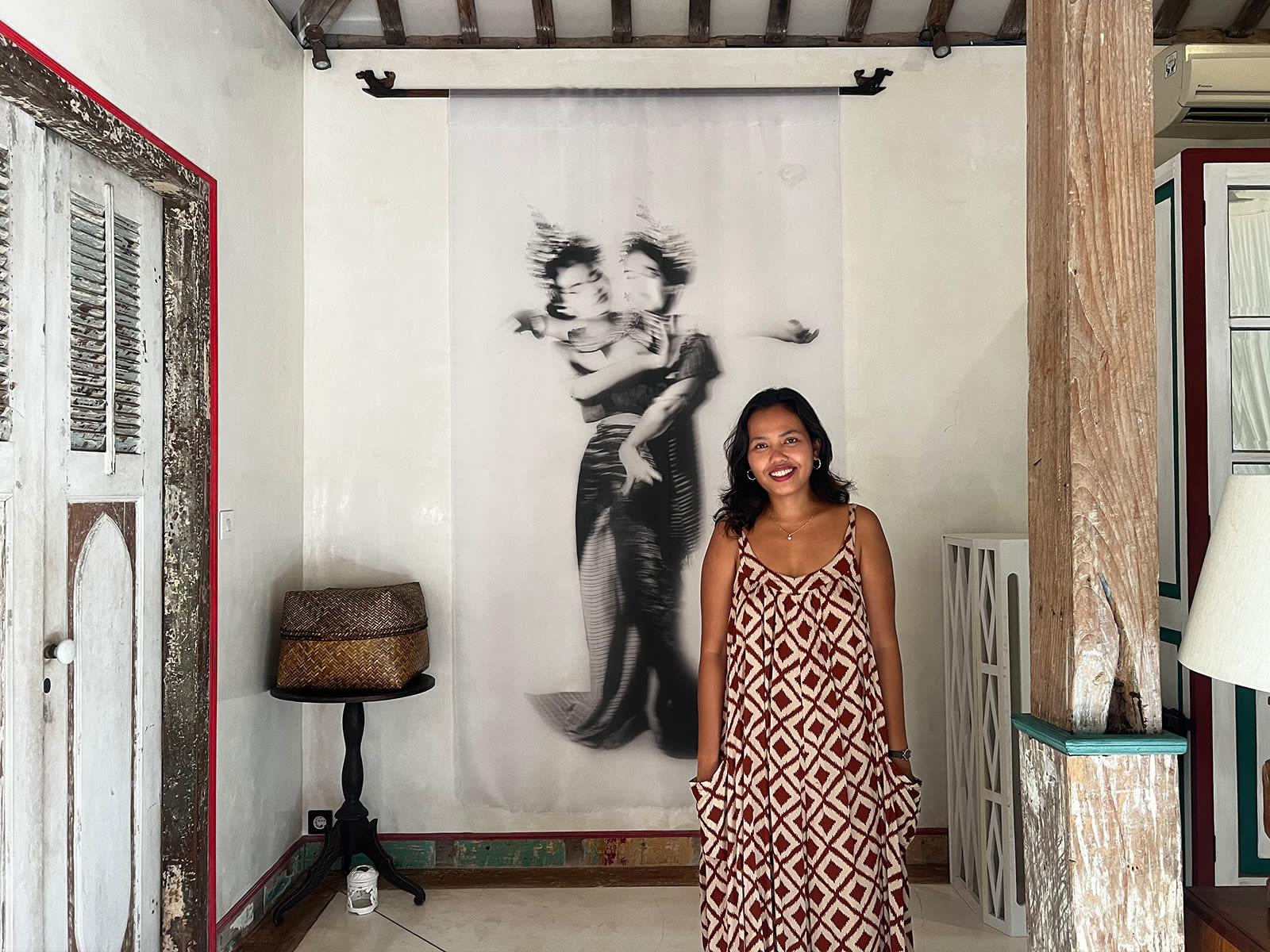
She also commissioned three Bali-based artists – all personal friends – to create works for the interiors: Wiguna Valasara, whose stitched, sculptural canvases are inspired by Balinese Hindu offering ceremonies; Ketut Nugi, known for botanical paintings; and Mesuka Dopazo, known for vibrant fabric collages.
Beyond the design details, her intention is to showcase a more authentic slice of Bali. “People come here because they want to slow down,” she observed. “They appreciate nature, good food and wellness, and through that, feel connected again – to themselves and to Bali.”
To bring this to life, she drew on her network to curate a programme of experiences, including Balinese dance, sound healing and yoga.
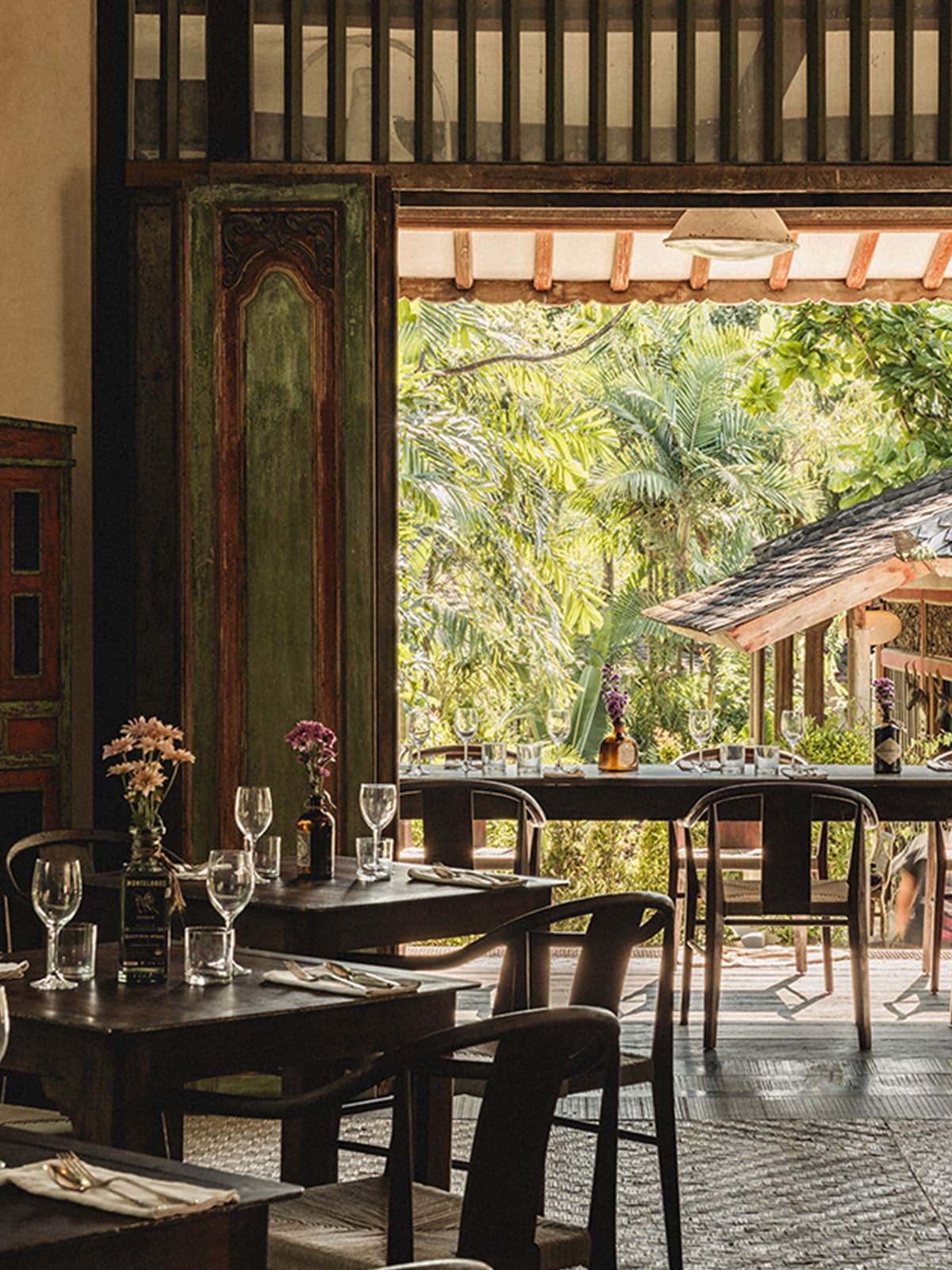
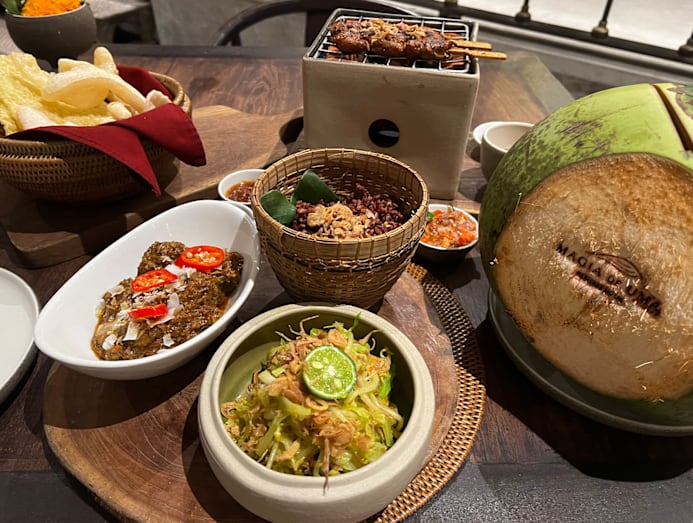
The hotel’s restaurant, Maharasa, is equally thoughtfully conceived. Developed with Bali-based chef Fernando Trump – who has worked in Michelin-starred kitchens – the menu balances comfort dishes such as burgers and pasta with Indonesian classics including beef rendang and crispy duck. Many ingredients, including vegetables and rice, are sourced directly from the owners’ field. Rosa contributed family recipes, including tahu orak-arik (tofu with garden vegetables), while Jacopo – who is from Rome – fine-tuned dishes such as the San Marzano tomato linguine to meet his exacting standards.
By her own account, Magia de Uma is still a work in progress – but the couple is already thinking ahead. They also run a traditional Indonesian phinisi sailing boat and are laying the groundwork for a second boutique property in Bali. If Magia de Uma is any indication, it will not follow the crowd.
“Every day, I feel like I am living my dream,” she reflected. “But more importantly, I want guests to feel something real when they are here.”