All in the family: Where to go in Asia for a multigenerational vacation in 2026
From Phuket to Phu Quoc, Bintan to Bangkok, these stays prove it’s possible to keep grandparents, parents, teens, and toddlers happy – all at the same time.
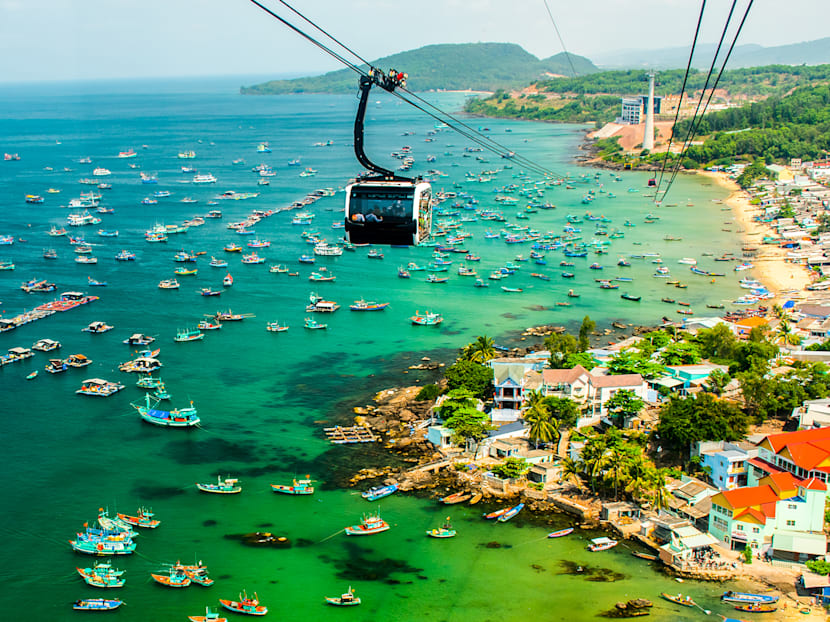
Packed with beaches, theme parks and nature activities, Phu Quoc is becoming increasingly popular with families. (Photo: iStock)

This audio is generated by an AI tool.


From Changi Airport to the Woodlands Checkpoint, and the Tanah Merah Ferry terminal to the Second Link, you might have noticed more family flocks packing themselves into planes, trains and automobiles. And we mean the whole kit and caboodle – from grandparents and in-laws to tweens and tots, plus helpers and caregivers.
Multigenerational travel is having a moment, and Asia – where familial togetherness is prioritised – is where it’s taking off in a big way. According to Expedia, family and group bookings from Singapore have surged by over 30 per cent year-on-year, and multigenerational travel is pegged to be a major trend in 2026.
Where are these clans scooting off to? “In Asia, Japan, Thailand, Vietnam, South Korea and Indonesia are leading the way,” said Lavinia Rajaram, a communications director at Expedia. Japan, in particular, is finding favour with this lot – and they’re looking both at and beyond the usual suspects.
“Japan continues to be the top choice for Singapore families planning multigenerational trips in 2026,” offered Laura Houldsworth, managing director for Asia-Pacific at Booking.com. Tokyo and Osaka ranked among the top 10 most searched destinations in the region, she added.
Meanwhile, Rajaram highlighted that searches for secondary cities like Sapporo and Fukuoka have jumped more than 20 per cent, thanks to their relative affordability and family-friendly attractions.
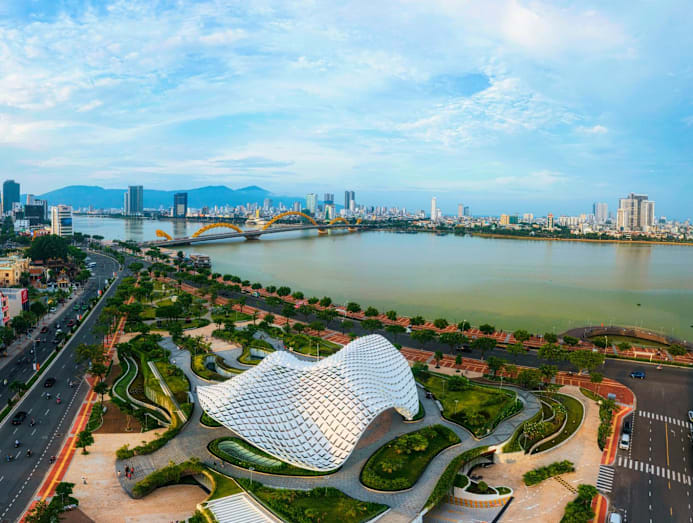
Vietnam is another trending destination, with locales like Da Nang and Hoi An seeing double-digit growth as families seek immersive cultural experiences alongside beach relaxation. Grandparents get their fix of history and heritage architecture, parents their cafes, spas and shopping jaunts, and kids? Enough sandy beaches and theme parks to exhaust them by dinner.
INTENTIONAL TRAVEL ON THE RISE
It isn’t just that more multigenerational families are travelling together; the way they are travelling has changed. “Families are becoming more intentional about how they travel,” Houldsworth noted. “They’re no longer looking for a getaway, but for experiences that strengthen family bonds.”
For Skyscanner’s Cyndi Hui, travel is now being viewed as a means of appreciation. “The younger generation increasingly sees multi-generational travel as a form of gratitude – one in two millennials view it as a way to give back to parents and grandparents,” said the travel trends and destination expert.
What’s more, families aren’t just checking off a must-see, must-do list – Tokyo Disneyland, Osaka Castle, Kinkaku-Ji in Kyoto – as novelty gets replaced with slow travel, culturally immersive adventures and exploits that eventually become core memory updates. “Families are prioritising shared experiences and authentic travel over traditional ‘checklist tourism’,” explained Rajaram.
For Edmund Ong, senior regional director, Southeast Asia and general manager, Singapore at Trip.com, “A personal tip is to have hands-on experiences that everyone can participate in together. It could be something as simple as a family cooking class, a guided nature walk, or even a private cultural tour where everyone can try their hand at local traditions. These moments create memories far beyond sightseeing photos.”
The trips that become unforgettable are usually the ones built around such shared moments, more so if it happens to be a family reunion, birthday, or anniversary. According to research from Booking.com, “More than one-quarter of families travel for such milestones, and those shared moments often become the emotional anchor of the entire holiday,” explained Houldsworth. “They naturally bring generations together and tend to be the parts of the trip everyone remembers most.”
ALL UNDER ONE ROOF
Resort cocooning, too, hasn’t lost its shine. This is especially true for clans who want to relax together without compromising on creature comforts. Expedia’s numbers offer proof that families are leaning into spacious, communal living: Villa stays and vacation rentals are up almost 35 per cent year-on-year.
Booking.com’s data reflects a similar trend: Nearly half of all families prefer hotels, while over one-third pick resorts. The advantages are manifold: On-site dining, in-villa dining, housekeeping, concierge services and so on.
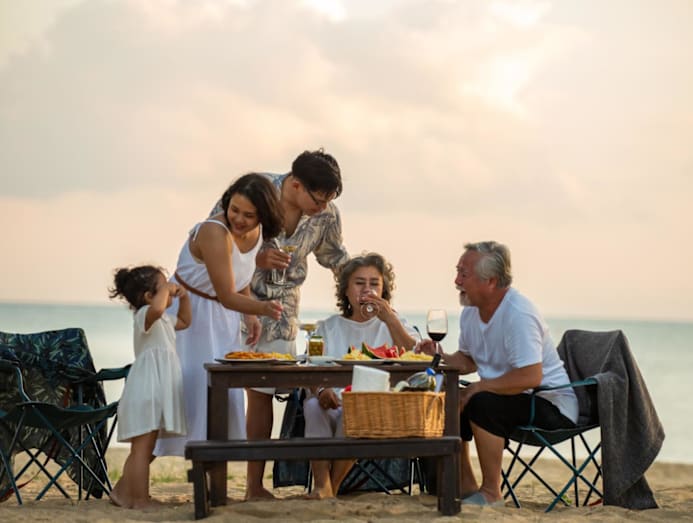
Indeed, Skyscanner’s outlook supports the idea that the accommodation itself is now being perceived as the main event. “When you have a group with varying ages, interests and energy levels, choosing an accommodation that is a destination in itself solves many planning challenges,” explained Hui.
“A villa with a private pool or an eco-resort with on-site activities can offer something for everyone, allowing the family to ‘cocoon’ in a beautiful and self-contained environment,” she added.
Interestingly, there’s also a trend towards unique stays, according to Booking.com. We’re talking about ryokans in Japan, hanoks in Korea, as well as treehouses and homesteads elsewhere in Asia. This is cultural immersion at its most fundamental, where your holiday base isn’t just a place to bed down, but part of the holiday narrative itself.
PITFALLS AND HOW TO AVOID THEM
For sure, multigenerational travel isn’t all smooth sailing. There are planning pitfalls: Grandparents craving garden strolls and shrine visits; teenagers demanding more pool time and wi-fi on a hundred devices; toddlers needing naps or diaper changes at inopportune times; and parents yearning for just a few moments of me-time.
Rajaram has witnessed these challenges firsthand: “The most common pain points we see are different paces and interests. Grandparents may prefer heritage sites and relaxation, while kids want activities and adventure.” Mobility and accessibility are also key, especially for older travellers or those with preexisting health conditions.
The stress often begins well before departure. “The planning stage can feel incredibly pressurising,” said Houldsworth. “Coordinating across generations, aligning expectations, and agreeing on the type of trip can be challenging, especially when each generation has different priorities.”
Her tip? Discuss non-negotiables early. If mobility support or comfort conditions are essential, establishing them upfront helps avoid conflict down the line. Technology helps. This is where younger travellers can take the lead, using tools like AI trip planners that can narrow down the selection, locate stays/destinations that tick most (if not all) boxes, and compare itineraries.
For Rajaram, one tip is to choose destinations with lots of variety, such as Japan (theme parks for kids, heritage sites for older folks) or Bali (wellness for parents, beaches for everyone). Another tip: “Schedule half-day activities in the morning, followed by free time for pool lounging, spa visits, or casual dining,” she offered.
This way, every generation feels included without being overwhelmed. It’s no wonder that 60 per cent of travellers voted in favour of this approach in a recent Expedia survey. It’s also the favourite way for Hui to travel: “My golden rule is one big thing a day,” she said. “Plan one main anchor activity that you’ll all do together – perhaps a morning visit to a landmark or an evening cultural show. The rest of the day can afford to be more flexible. This allows grandparents to have an afternoon nap, teens to go exploring on their own (if appropriate), and parents to relax by the pool with the little ones.”
The magic happens when everyone reconvenes for dinner. Hui explained: “Instead of having the exact same – potentially compromised – experience, you now have a table full of fresh stories, individual discoveries, and renewed energy. It turns a shared meal into a vibrant session of storytelling, and you end up learning as much about each other’s passions as you do about the destination itself.”
So, where should the whole clan unpack their suitcases and unleash the chaos? We’ve rounded up 10 of Asia’s best multigenerational hideaways for 2026.
FOR BIG FAMILIES
Trisara Phuket
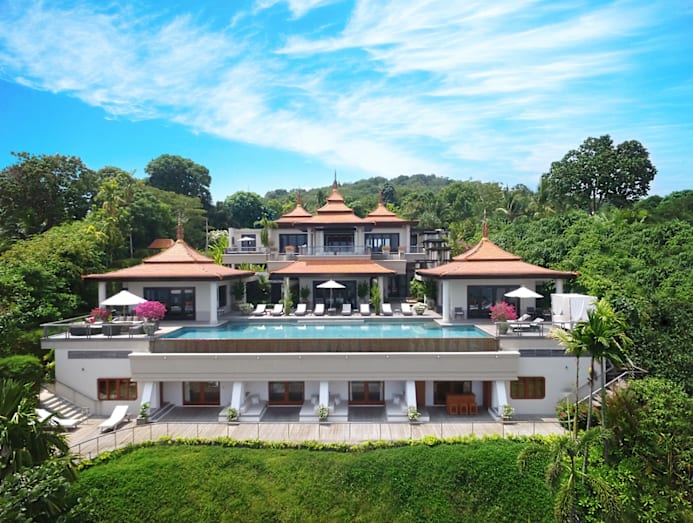
A short drive from Phuket Airport, Trisara is known for being the first all-pool villa resort when it opened in 2004. This ultra-luxe oceanfront estate offers accommodations ranging from one-to-nine bedrooms, so the whole clan can nest comfortably under one roof. The nine-bedroom villa comes with jaw-dropping views (of course), a private chef, a dedicated butler, and enough space to host a wedding.
Spa lovers can indulge at Jara Wellness, while active types have every activity from tennis and snorkelling to Muay Thai to choose from. Parents who need some quiet time can deposit their brood at the Kids Club. Come dinner time, everyone can reconvene at Pru – the island’s first and only Michelin-starred restaurant – or at any one of five newly launched F&B concepts.
Samujana Koh Samui
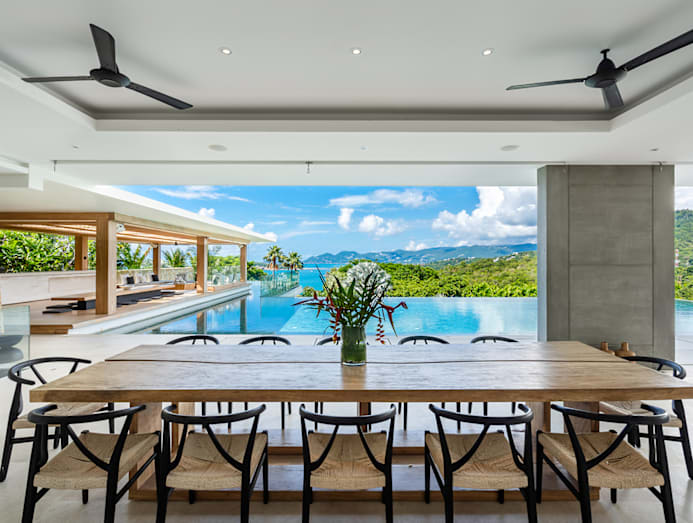
From the Andaman Sea to the Gulf of Thailand: Samujana’s all-villa concept was made for multigenerational travel. The 14-year-old resort features three- to eight-bedroom villas, each with private pools, spacious living and dining areas, and enough breathing room to keep the peace.
Assistance is but a mere call or text away: Staff can arrange for private chefs, childcare, transport and activities. No logistic hassles or lost in translation episodes, which means more time for family bonding. For blended age groups, this level of built-in ease is everything. Enjoy sunset dinners, excursions by boat, or just savour the luxury of doing nothing.
EMERGING DESTINATION - PHU QUOC, VIETNAM
Still in the Gulf of Thailand, but just off the Cambodian/Vietnamese coast is Phu Quoc, a destination that’s exploding in popularity for 2026. It’s packed with beaches, theme parks and nature activities. According to Skyscanner’s Hui, Phu Quoc received a whopping 184 per cent surge in searches, ranking second on the search engine’s trending list.
“One of the key attractions in Phu Quoc is VinWonders, the largest theme park in Vietnam with dedicated kids zones, water playgrounds, roller-coasters and indoor attractions. Phu Quoc also offers experiences like cable car rides, wildlife parks and island-hopping adventures. It’s a really beautiful place for a family to relax, strolling at the night markets and farms (bee, pepper, pearl etc),” said Hui.
Regent Phu Quoc
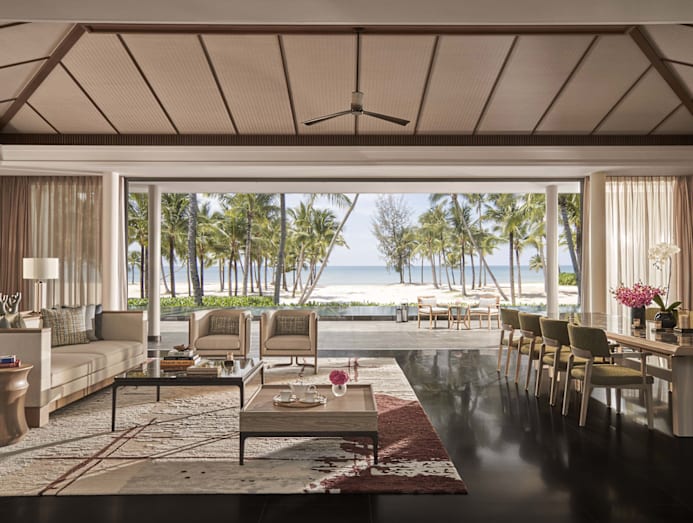
Regent Phu Quoc delivers the most exquisite address for multigenerational groups. The seven-bedroom beachfront villa is a dream: Two living rooms, two kitchens, seven spacious suites, spa-like bathrooms, four infinity pools, and two plunge pools with ocean views that turn every evening into a postcard moment. Privacy pairs seamlessly with communal living, whether it’s cooking together, lounging by the pool, or settling into sunset rituals. For families exploring Vietnam’s newest island darling, this is the gold standard.
AUTHENTIC STAYS AND CULTURAL IMMERSION
Walk Japan – Kumano Kodo Pilgrimage
There are only two sacred pilgrimages that UNESCO recognises on its World Heritage List; the Kumano Kodo in Japan is one of them. For families who are healthy enough to walk for four- to six hours a day on this 9-day 8-night Buddhist pilgrimage, expert guides from Walk Japan will take you through ancient forested trails.
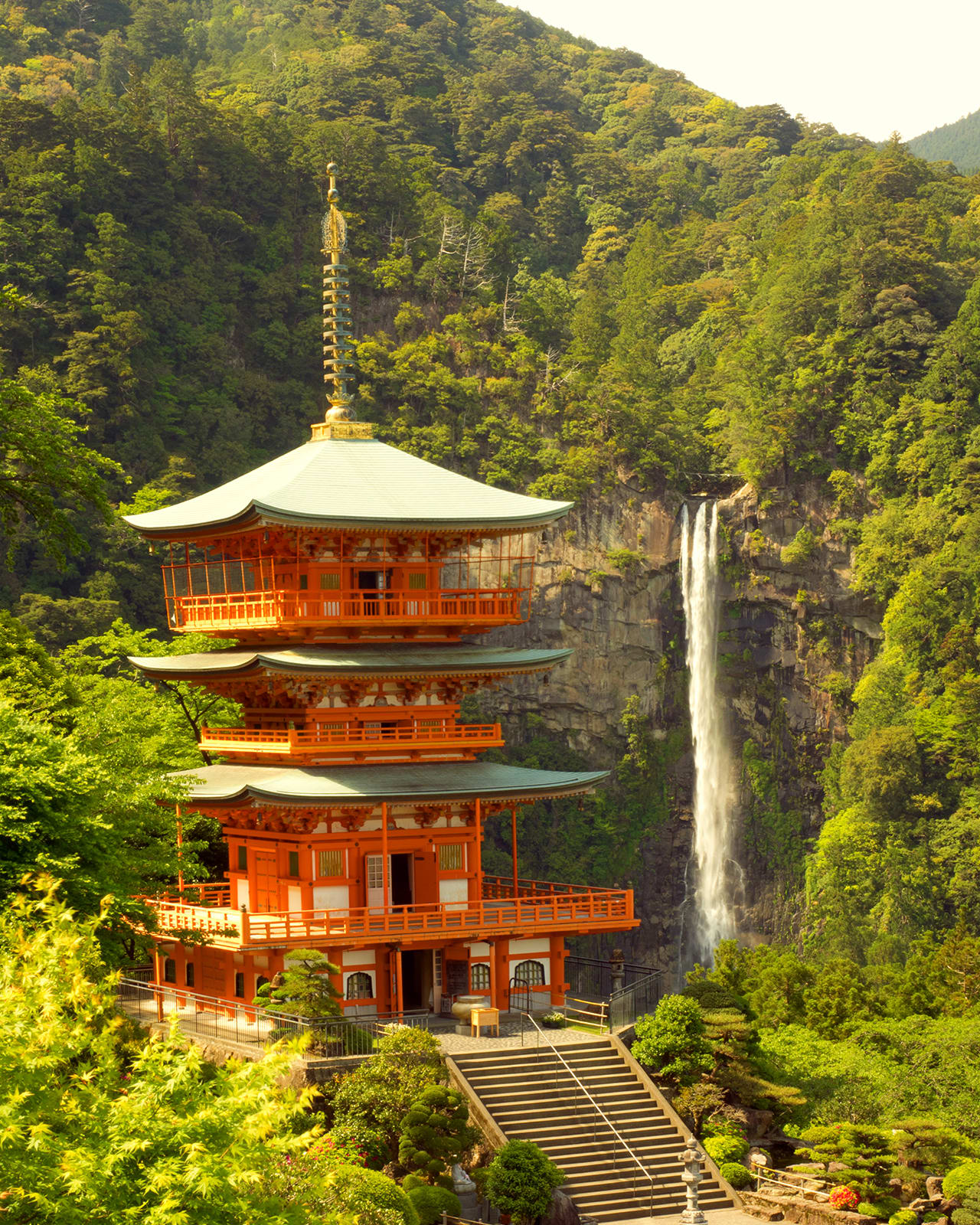
Along the way, you’ll encounter centuries-old shrines, onsens, and temple and ryokan stays on a journey from Osaka to Ise – following the path of Buddhism's early spread through Japan in the sixth century CE.
CITY BREAKS
Waldorf Astoria Osaka
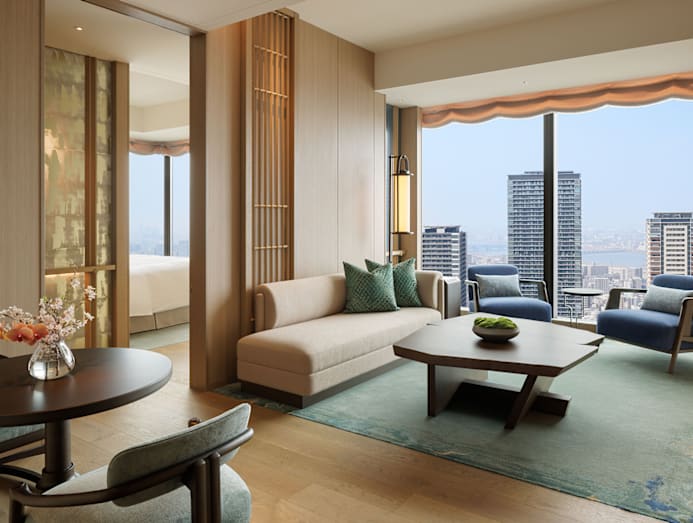
Waldorf Astoria Osaka opened in April 2025, just in time for the World Expo. While the Expo is over, the 252-key property continues to function as a beacon of Art Deco glamour and luxury amid the neon-lit energy of Osaka. Located just above JR Osaka Station, families can zip to Kyoto in just 15 minutes via the Shinkansen. Heritage for grandparents, street eats and streetwear for teens, and shopping galore for parents – a big win for families who love city escapes.
Dusit Thani Bangkok
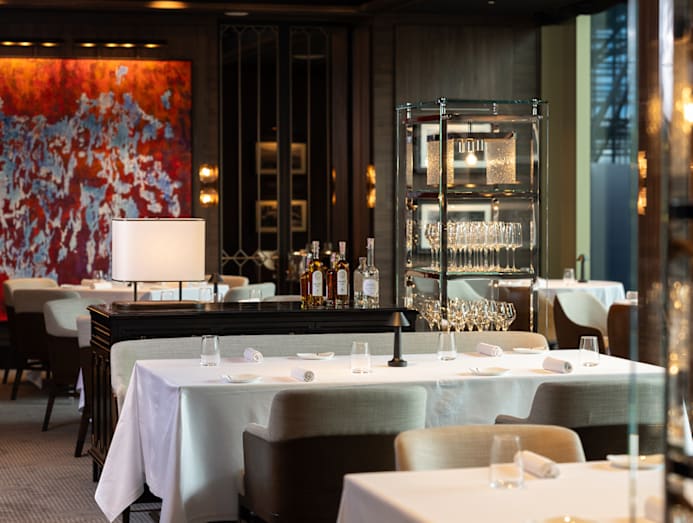
After a five-year refresh, Dusit Thani Bangkok reopened in 2024 as part of the new Dusit Central Park complex – which has gone viral on social media thanks to its multilevel skygarden and dramatic interior architecture. As part of the hotel’s upgrade, a new 120 sq m duplex suite has been added, alongside Cannubi by Umberto Bombana – now the first and only Italian restaurant in Thailand to receive a Michelin star. Step outside for tuk-tuks, temples, markets, and malls; step inside for cool, calm Thai elegance. Big city energy, gentle family support.
QUICK WEEKEND GETAWAY
The Sanchaya Bintan
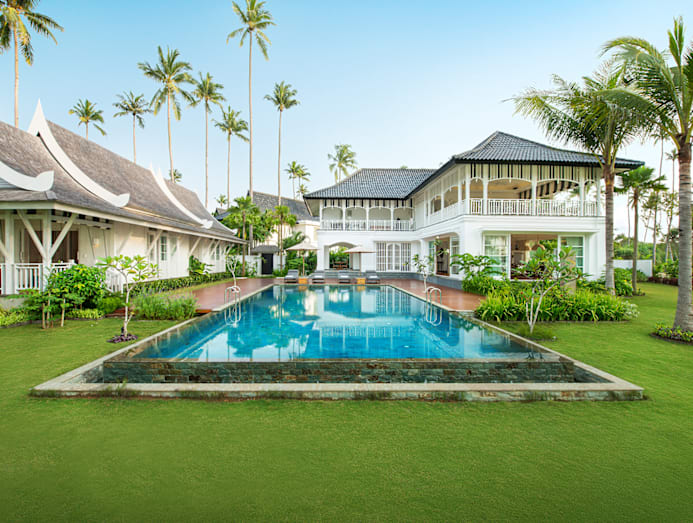
It’s only a short ferry ride from Singapore, yet The Sanchaya feels like it’s on another planet – and another time. Think seafront views, white sand beaches, colonial-style architecture and the laidback atmosphere of a kampung in the 1950s. The largest accommodation option is the four-bedroom Vanda Villa, which sleeps eight adults. Activities range from paddleboarding and petanque to cooking classes and yoga, so everyone gets to play at their own pace. It’s the ultimate low-effort, high-reward weekend escape with zero airport queues.
NATURE TRIPS
According to Booking.com’s Houldsworth, nature-based trips are big among multigenerational families. “Our Travel Trends 2025 research found that 48 per cent planned to take a nature trip this year,” she said. “This aligns with their desire to unwind, spend quality time together, and enjoy the beauty of natural landscapes.”
Ayana Komodo Waecicu Beach, Labuan Bajo
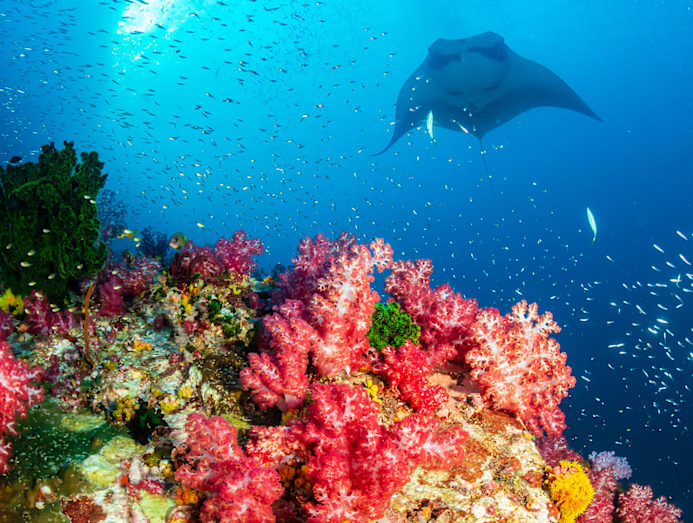
With Scoot now offering direct flights to Labuan Bajo, Indonesia – gateway to the famed Komodo National Park (and dragons of the same name) – this up-and-coming destination is now just a short hop away. With 205 ocean-facing guestrooms and suites, Ayana Komodo Waecicu Beach is an eco-luxe retreat that will appeal to nature-loving families.
Activities – which are managed end-to-end by the property – span marine conservation to snorkelling and diving, as well as island-hopping cruises and yoga sessions overlooking the Flores Sea. Dining unfolds over seven gorgeous venues. It’s nature immersion without compromise, pairing five-star comfort with a real connection to land and sea.
SLOW TRAVEL
La Residence Phou Vao, Luang Prabang
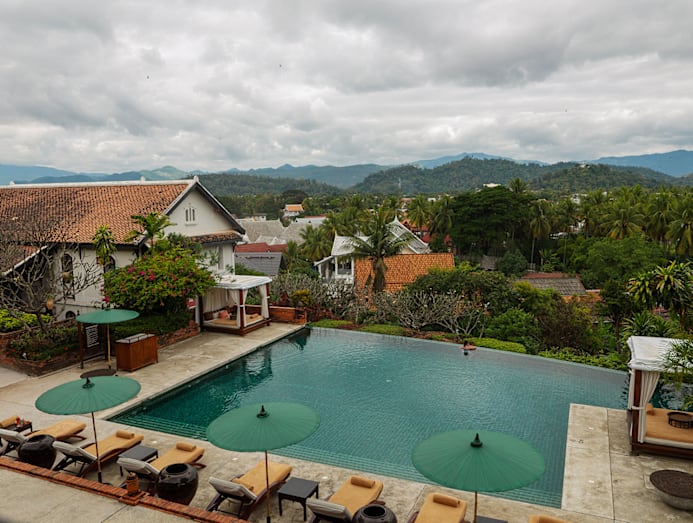
Perched atop tranquil Phou Vao Hill, La Residence Phou Vao is built for slowing down. All of Luang Prabang – and Laos, really – is ideal for a mental and physical reset. Having recently undergone a heritage-led refurbishment, the 34-key property blends Lao heritage and French colonial charm amid UNESCO World Heritage-listed temples and sacred mountains.
In the morning, families can offer alms to Buddhist monks, wander the town’s quaint lanes, then return to gardens, quiet corners, and soul-soothing views in the afternoon. It’s slow travel at its most meaningful: Peaceful, deeply cultural, and grounding across generations.
Anantara Koh Yao Yai
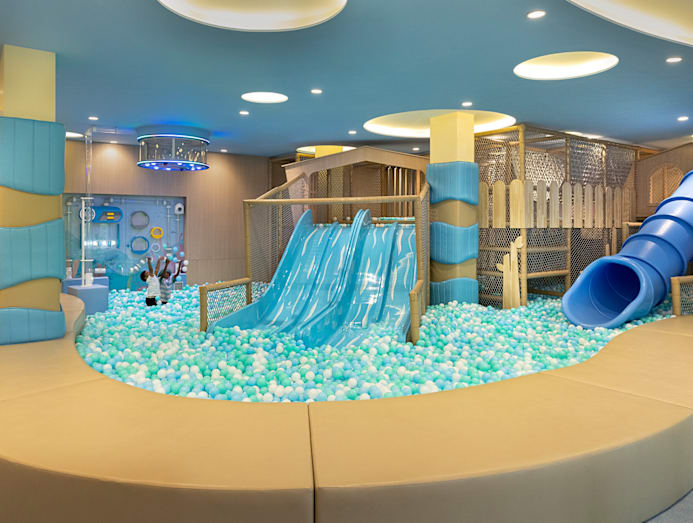
Koh Yao Yai is a short speedboat ride away from Phuket, but it feels like a completely different world. At the 148-key Anantara Koh Yao Yai, premium family rooms come with bunk beds, while beachfront pool villas face the iconic limestone karsts of Phang Nga Bay. Kids will love the kids club – the largest of its kind in southern Thailand – as parents seek refuge in the Moroccan-style hammam. Seniors can unwind at cooking classes or private yacht trips. The resort’s calming rhythm encourages long meals, gentle walks, and reconnecting.