Looking for a quieter alternative to Kyoto? Kurashiki offers craft, denim and kaiseki without the crowds
Kurashiki’s Bikan Historical Quarter pairs centuries of history with excellent craft shopping, Japanese denim heritage and a standout kaiseki restaurant – all in a town that feels calmer and more intimate than Kyoto.
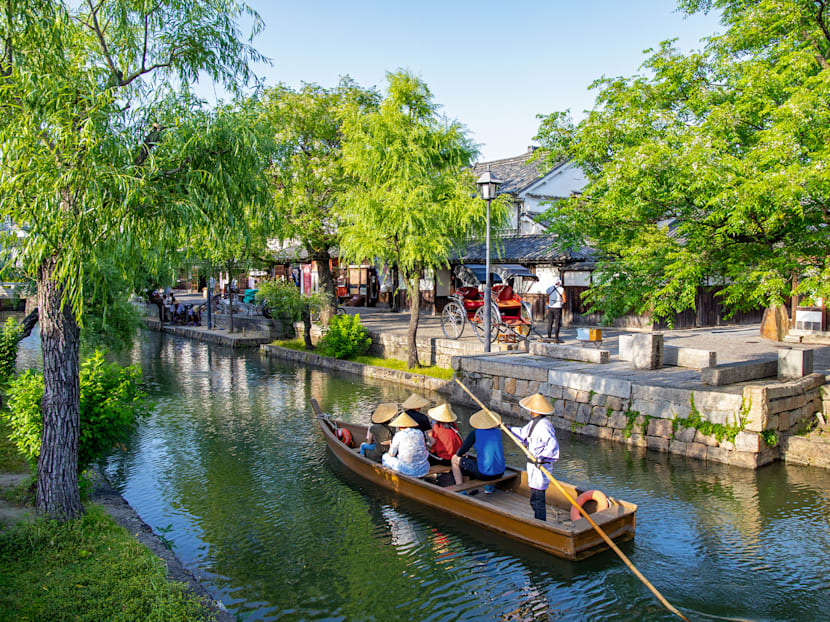
Kurashiki offers a quieter, more refined alternative to Japan’s bigger tourist cities, with canals, white-walled storehouses and a beautifully preserved historic quarter. (Photo: iStock)

This audio is generated by an AI tool.
As I crossed a stone bridge in Kurashiki’s Bikan Historical Quarter, the diamond-bright reflections on the water made me pause. Boatmen, their faces shaded by straw hats, sent ripples across the canal with their oars, while weeping willows swayed in the breeze, framing a view that has remained largely unchanged for centuries.
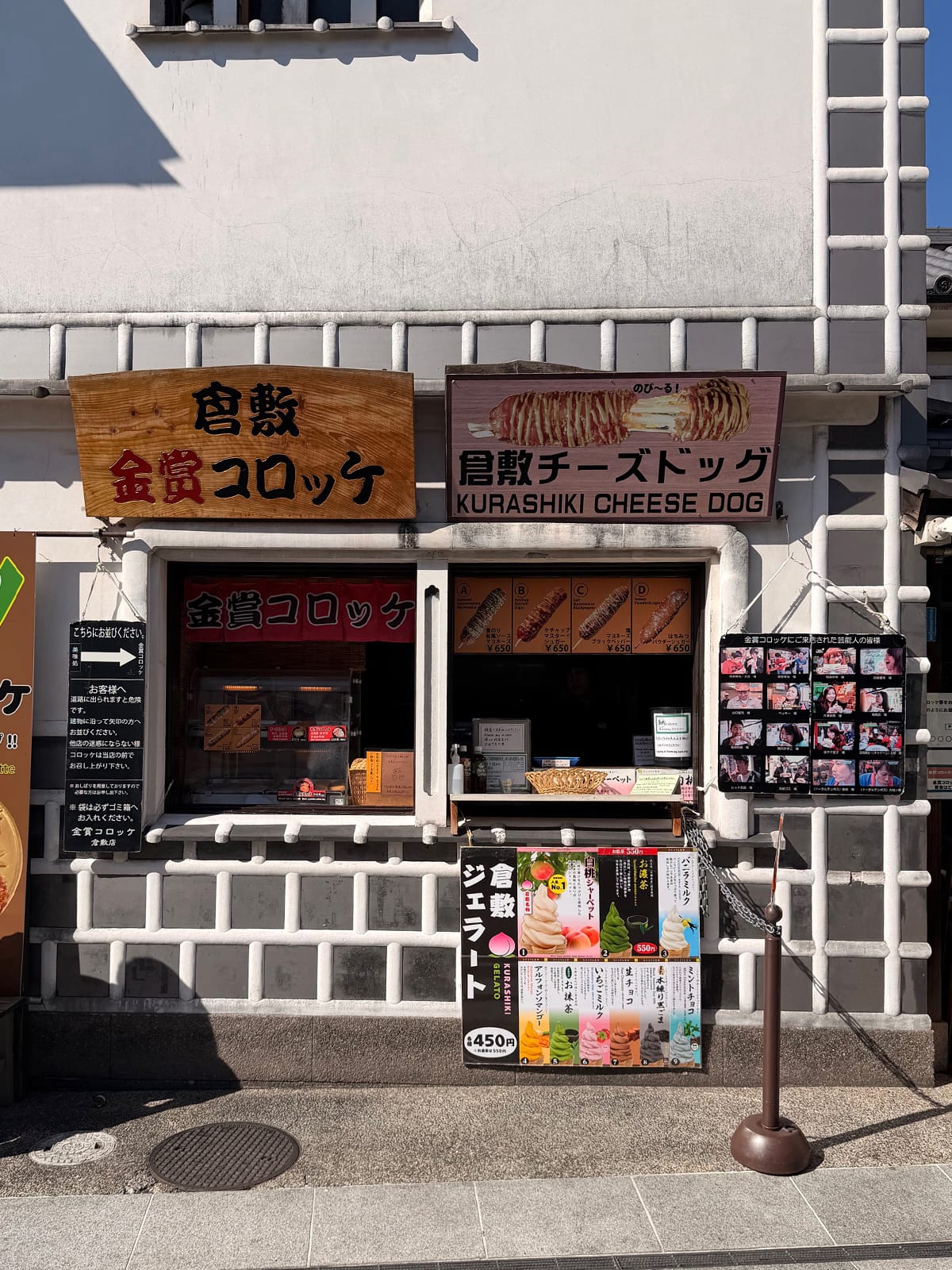
Outside a white-plastered, namako-walled shop advertising fruit parfaits, two elderly men sat on a bench with ice cream cones instead. Around them, former rice storehouses now house shops, eateries and craft workshops, making Kurashiki an appealing alternative for travellers who prefer Japan’s lesser-known towns to the crowds of cities such as Kyoto.
KURASHIKI’S HISTORY IN A NUTSHELL
Kurashiki is in Okayama Prefecture. About 400 years ago, the area was part of a shallow sea known as Kibi no Anaumi. Land reclamation transformed it into a rice storage and trading hub during the Edo period (1603–1868), giving rise to the granaries along the Kurashiki River.
Unlike many samurai-ruled domains, Kurashiki was a tenryo – territory under the direct control of the Tokugawa shogunate. It prospered as boats and barges moved goods inland via the canal from the Seto Inland Sea. Later, industrialisation and the patronage of businessman Magosaburo Ohara helped turn the town into a modern commercial and cultural hub.
Kurashiki’s textile heritage also shaped one of Japan’s best-known industries. Because rice grew poorly here in saline soil, farmers turned instead to cotton and rush grass, laying the foundations for the sophisticated textile sector that would support Japanese denim production in the 1960s.
WHERE TO SHOP
Kurashiki Hampu
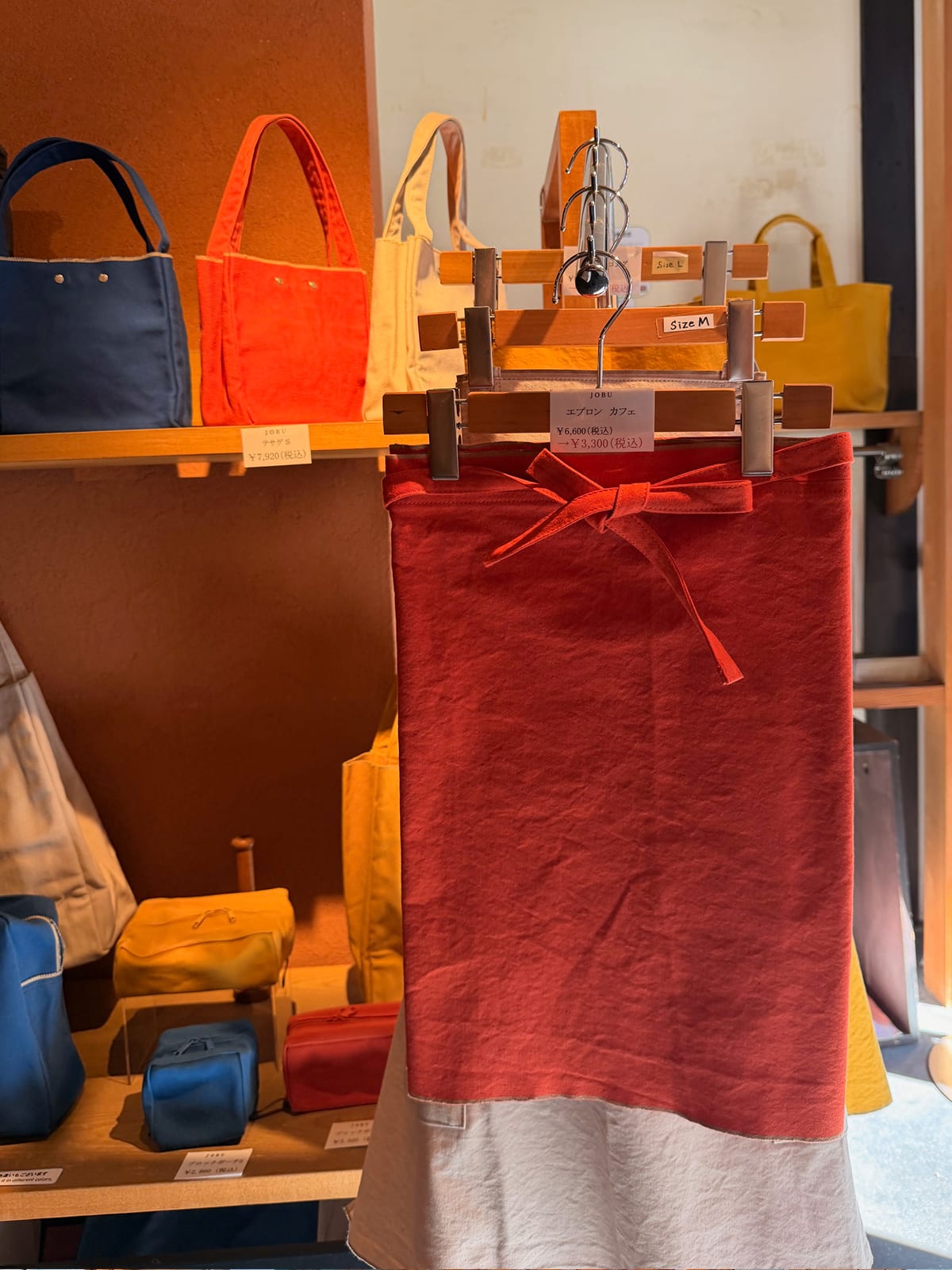
Kurashiki’s cotton industry gave rise to a flourishing canvas trade, and the city still accounts for roughly 70 per cent of Japan’s domestic canvas production. Made from tightly twisted cotton yarn, the heavyweight fabric was well suited to boat sails, or hampu. In the Meiji period, it was also used for railway cargo sheets, tents, straining cloths for sake and soy sauce production, and craftsmen’s tool bags. Today, the Kurashiki Hampu store offers a colourful array of tote bags, pouches and foldable household containers that soften with use.
Address: 11-33 Honmachi, Kurashiki City, Okayama 710-0053
Nyochikudo
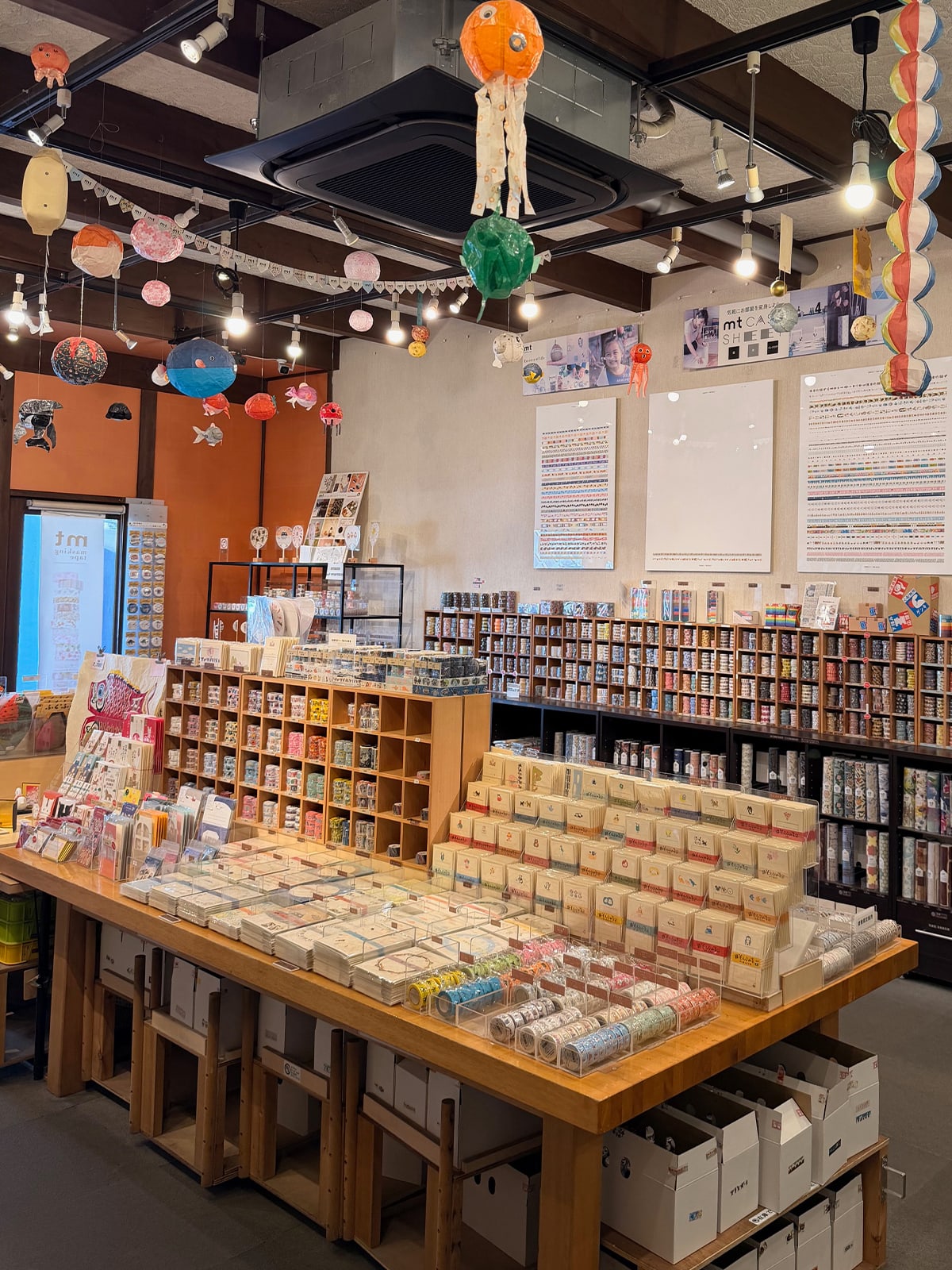
In 1923, Kamoi Fly Paper Manufacturing was founded to make insect traps. By the 1960s, the company’s tape had found a new use in construction. In 2008, three women from Tokyo began using the industrial masking tape for creative projects, sparking a collaboration with the company – now called Kamoi Kakoshi – and helping give rise to the popular MT brand of washi tape, which is thin, durable and residue-free when removed. In Kurashiki, Nyochikudo carries more than 500 tape designs alongside other paper goods.
Address: 14-5 Honmachi, Kurashiki City, Okayama 710-0054
Kurashiki Ichiyo Gama
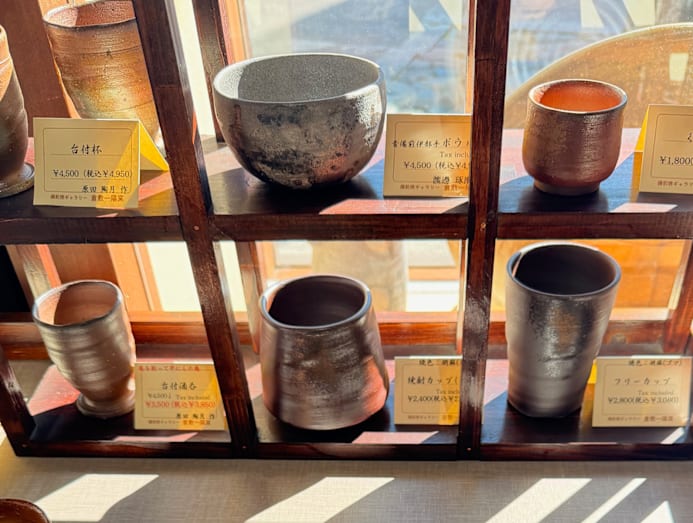
Bizen pottery, or Bizen-yaki, is one of Japan’s oldest ceramic traditions and is most strongly associated with Bizen City in Okayama Prefecture. Its distinctive patterns and reddish, sometimes silvery, tones come from the natural reactions of iron-rich clay with fire, ash and straw at high temperatures. Unglazed and porous, Bizen-yaki is often said to enhance the taste of whatever it holds. In the Bikan Historical Quarter, Kurashiki Ichiyo Gama – run by the Kimura family – has a gallery and shop on the ground floor. Upstairs, the cafe serves matcha, coffee, cakes and soft-serve ice cream with azuki beans, all presented on Bizen ware.
Address: 3-17 Honmachi, Kurashiki City, Okayama 710-0054
Suikazura Gallery and Shop
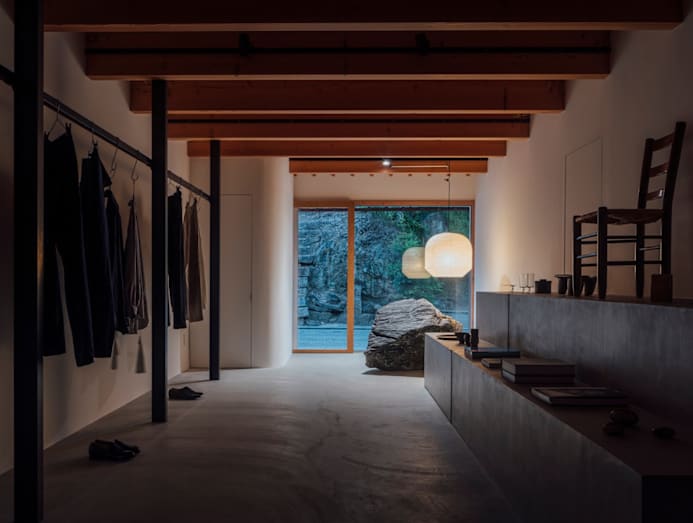
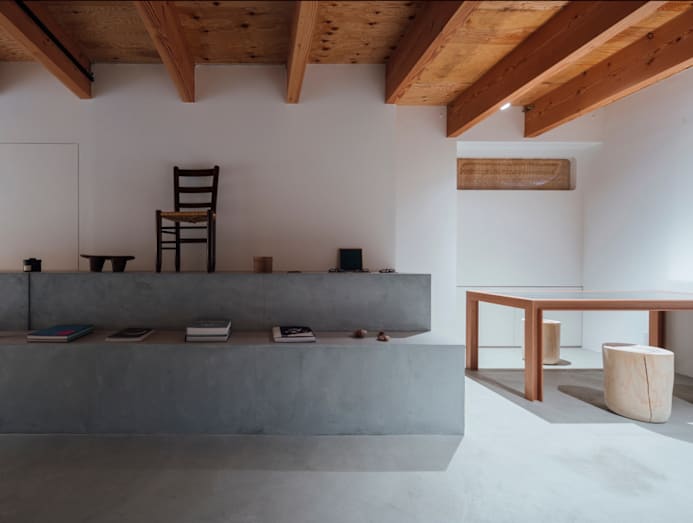
This multi-label concept store in a historic machiya offers a refined selection of clothing from Mittan, Heugn and Yoko Sakamoto, alongside objects by artisans such as potter Shohei Ono, glass artist Akihiro Kodera and metal engraver Takeo Suhara. Explaining why he chose to open in the Bikan Historical Quarter, founder Ikutaro Mikami said: “Layers from the Edo, Meiji, Taisho, and Showa periods overlap within this limited area, and continue to evolve while remaining connected to contemporary life and industry. We find a particular depth in this coexistence of different times and contexts.”
Address: 14-7 Honmachi, Kurashiki City, Okayama 710-0054
Miffy Storehouse Kitchen (Miffy Kura no Kitchen)
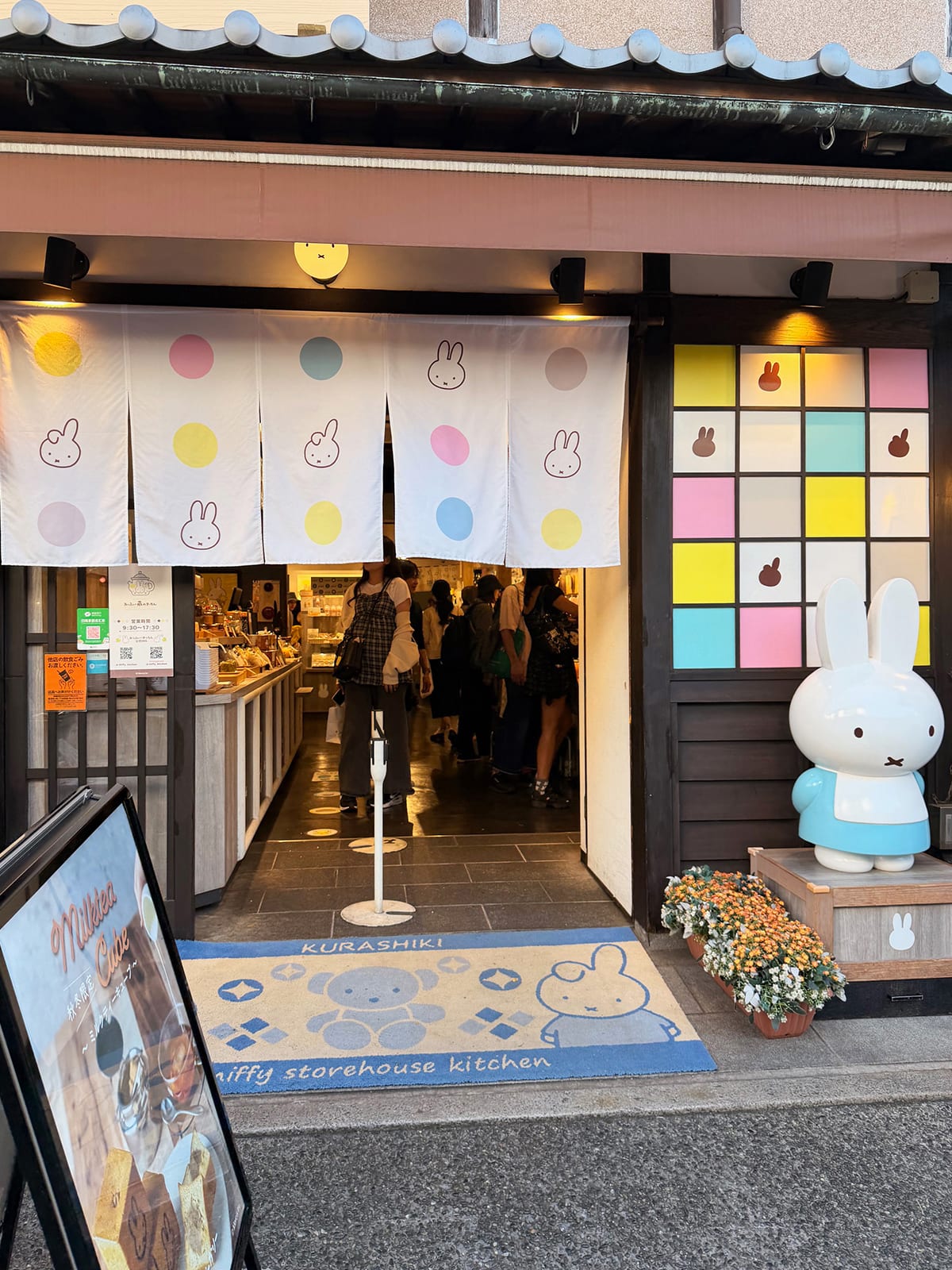
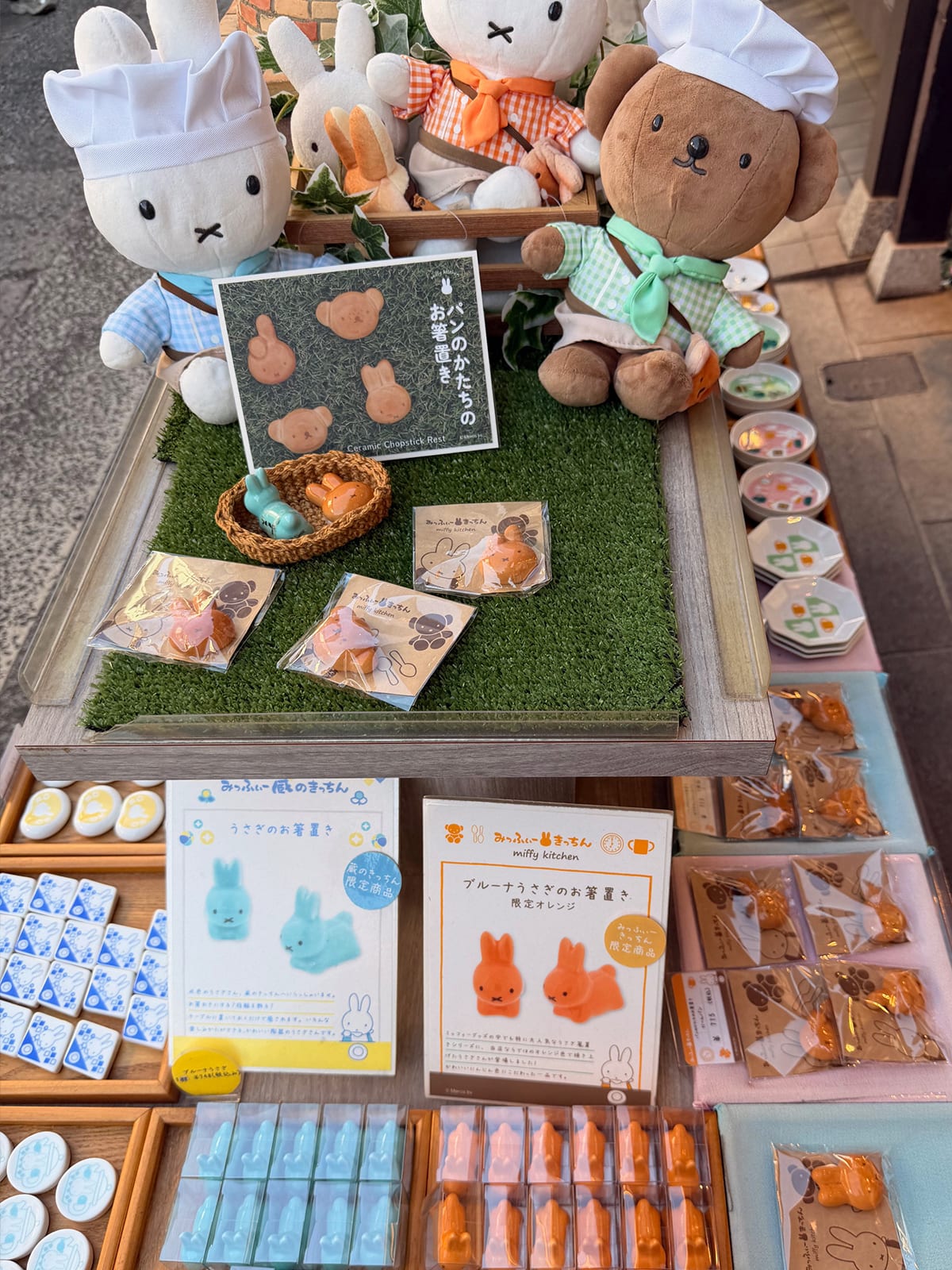
Parents and kawaii enthusiasts will enjoy Miffy Bakery and Sakura Kitchen in the heart of the Bikan Historical Quarter. Pick up Miffy anpan (red bean buns), matcha buns or character-shaped bread, then browse a wide selection of kitchenware, branded goods and limited-edition souvenirs inside a restored machiya. The nearby Snoopy Chocolat store is worth a stop if you want to continue the themed shopping.
Address: 5-3 Honmachi, Kurashiki City, Okayama 710-0054
Big John Kurashiki Bikan District Store
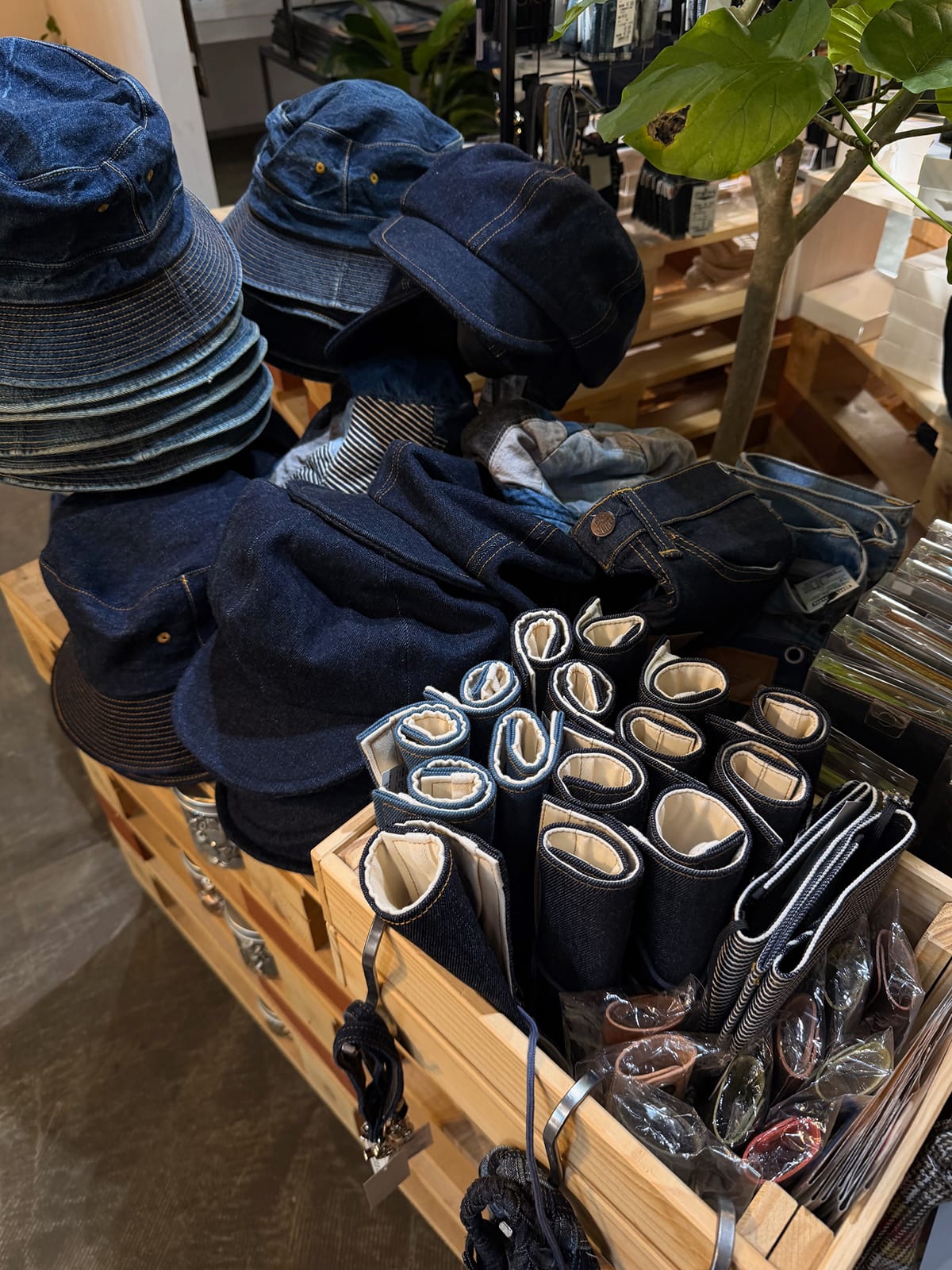
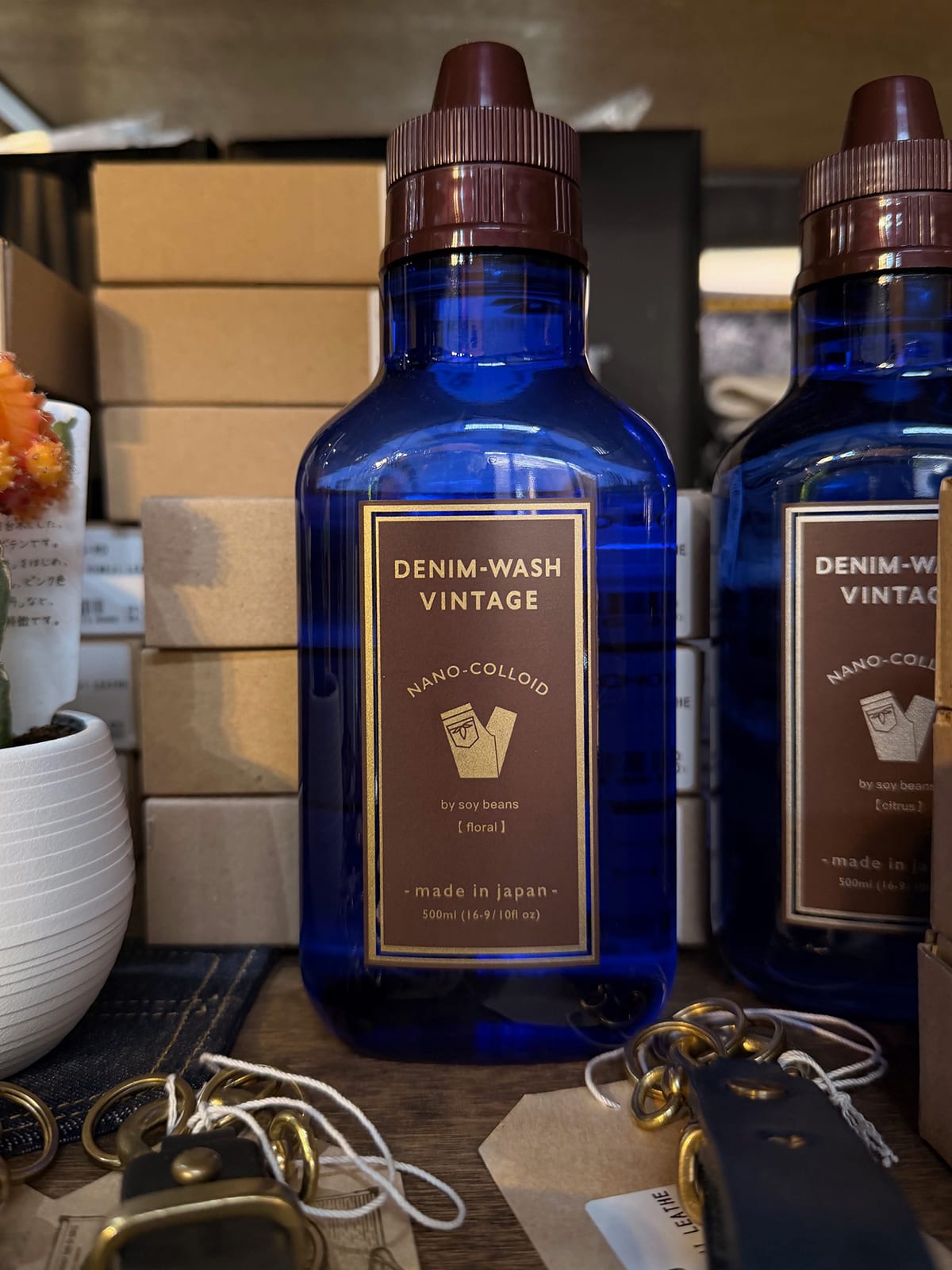
Kurashiki’s sewing and textile industry made it a centre for products such as tabi socks and school uniforms. After World War II, the presence of US occupation forces helped popularise jeans in Japan, and local company Big John went on to become a pioneer of Japanese denim. Some visitors make the half-hour trip to Kojima Jeans Street for its retro atmosphere. For high-end denim closer to the historical quarter, the intimate Big John store, which opened in the Bikan Historical Quarter on July 2, 2025, is worth a visit. At the rear, Tsumugu café serves good coffee alongside desserts such as matcha Basque cheesecake and Shine Muscat grape sponge cake.
Address: 10-3 Honmachi, Kurashiki City, Okayama
WHAT TO DO
Ohara Museum of Art
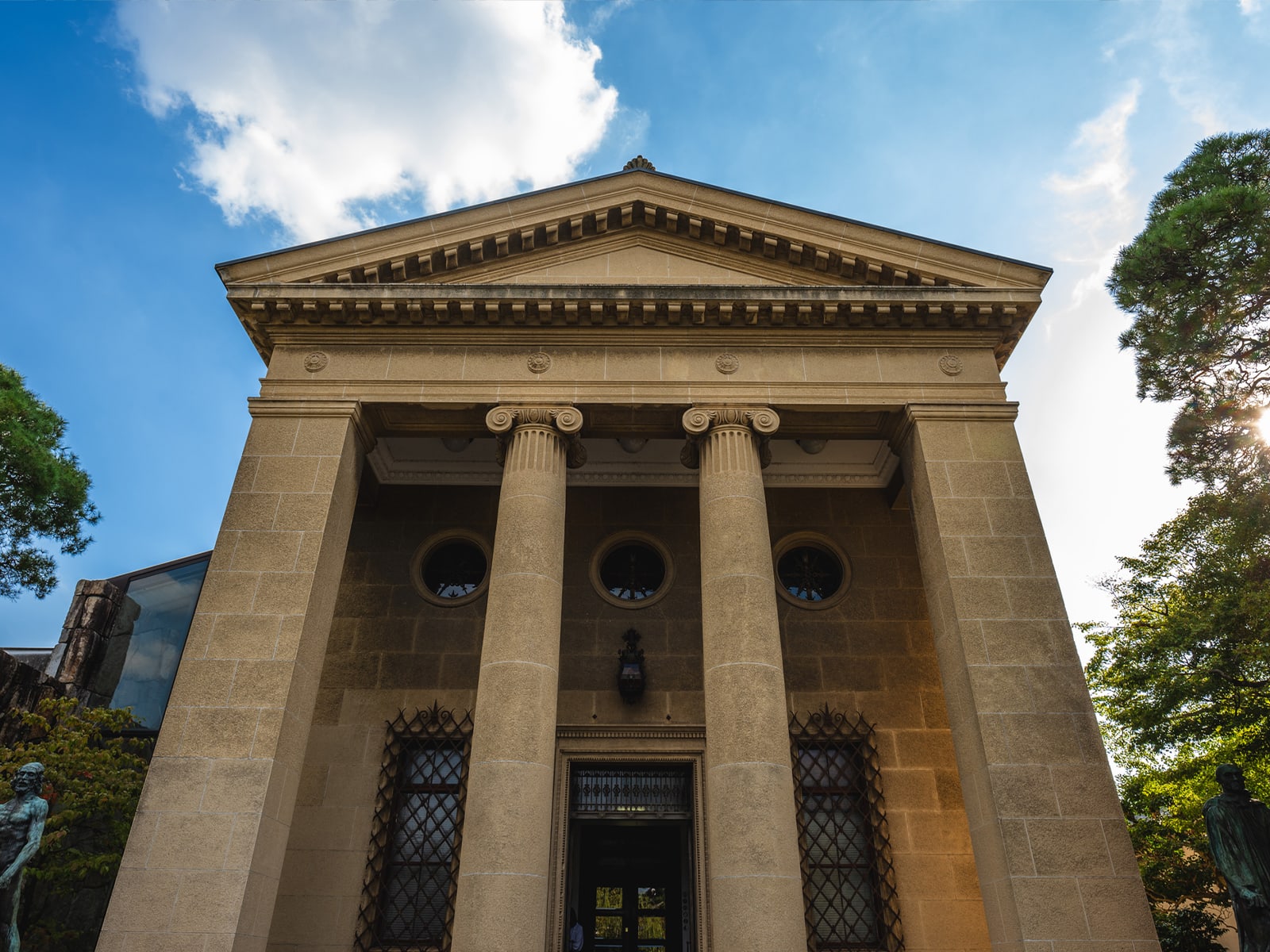
The Oharas, one of Kurashiki’s most prosperous mercantile families, helped shape the city while operating Kurashiki Spinning Works, now Kurabo Industries Ltd. Seventh-generation scion Magosaburo Ohara built a significant collection of Western art with the help of artist Torajiro Kojima, whom he sent to Europe. In 1930, he founded the Ohara Museum of Art, widely regarded as Japan’s oldest private museum of Western art. Works by El Greco, Gauguin, Rodin and Monet are displayed alongside Mingei folk art, Chinese and Egyptian antiquities, and works by Japanese artists.
Address: 1 Chome-1-15 Central, Kurashiki City, Okayama 710-8575
Kurashiki City Art Museum
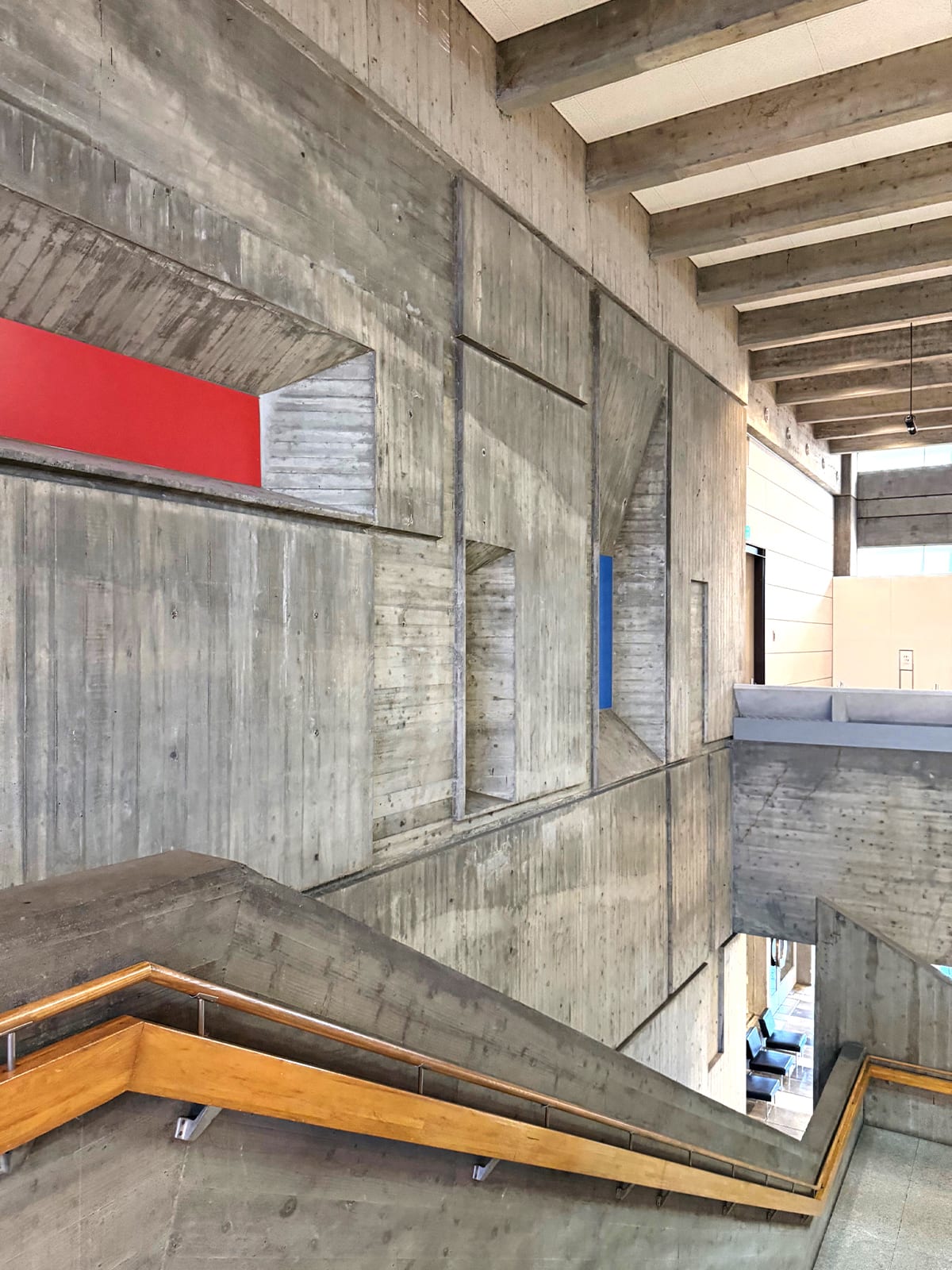
Small but rewarding, the Kurashiki City Art Museum will appeal to architecture and design enthusiasts alike. Built as Kurashiki City Hall in 1960, it was converted into an art museum in 1983 and is now a Registered Tangible Cultural Property of Japan. It houses works by local painters such as Yoson Ikeda alongside seasonal exhibitions. Designed by Kenzo Tange – the eminent modernist behind the Hiroshima Peace Memorial Museum – the building combines clean geometry with exposed concrete and an atrium profile said to recall the windows of Le Corbusier’s Chapel of Notre-Dame du Haut in Ronchamp.
Address: 2 Chome-6-1 Central, Kurashiki City, Okayama 710-0046
WHERE TO STAY
Yoruya
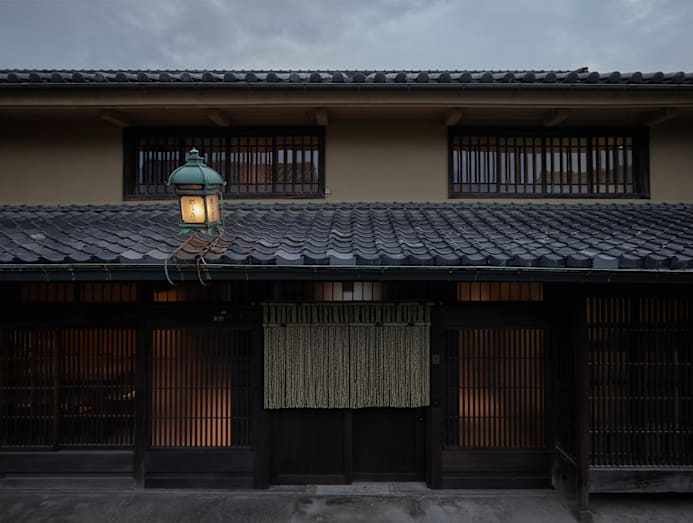
At the entrance of Yoruya hangs Igusa Noren (rush grass curtain), a tribute to the area’s history of rush grass cultivation. The 13-room Design Hotels' property – formerly a Meiji-era kimono merchant’s shop and residence – was renovated by Japanese design studio Simplicity. At the rear are two extensions: a brick structure that references Kurashiki’s Meiji-era industrial buildings, and a white shikkui (lime plaster) wing, inspired by traditional shikkui plaster buildings found throughout Kurashiki. Craft runs throughout, from carved zelkova tables by woodworker Midori Takayama to the lattice-screened Bar Yoruya at the front, which is a fine spot for a nightcap.
Address: 2-7 Higashimachi, Kurashiki City, Okayama 710-0053
WHERE TO EAT AND DRINK
Shisui
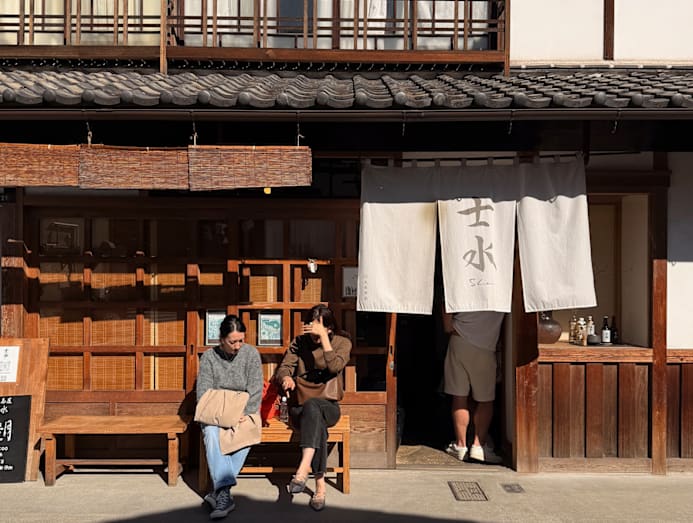
Queues form early at Shisui, near Yoruya. The focus is an ichiju issai-style meal – one soup, one dish – built around grilled onigiri served with miso and pickles, alongside drinks ranging from matcha and amazake (a fermented rice drink) to cocktails, all prepared by the husband-and-wife team. The soft light and the hosts’ meditative rhythm add to the atmosphere: rice scooped from the hagama pot, onigiri fried on cast-iron pans, the husband shaping blocks of ice with a cleaver for cocktails. Shisui is open from 10am to 2pm.
Yoruya’s restaurant
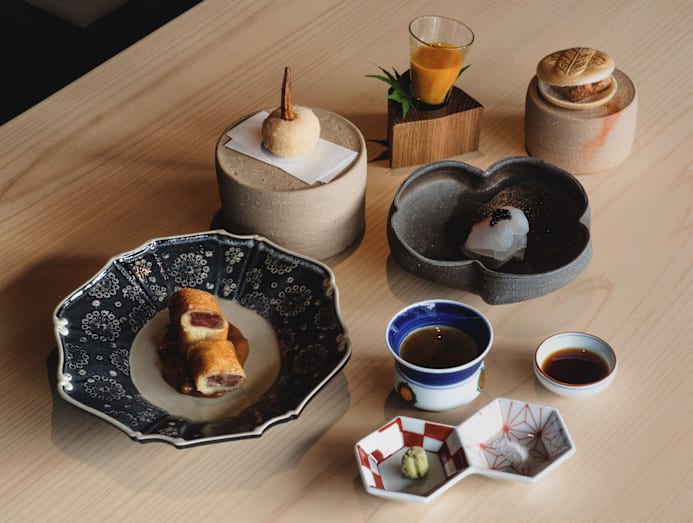
Non-guests are welcome, but book ahead – the restaurant seats just 14. Chef Fumio Niimi and his team work behind a U-shaped hinoki cypress counter. The restaurant makes all its own condiments, from soy sauce and dashi to ponzu. The dishes, rooted in locality and seasonality, were exquisite without being fussy. Highlights included fresh pike conger in a clear, gently sweet broth of bonito and mushrooms, and Okayama beef served two ways – one wrapped in a crisp shell, the other sukiyaki-style.
Piano Hall Avenue
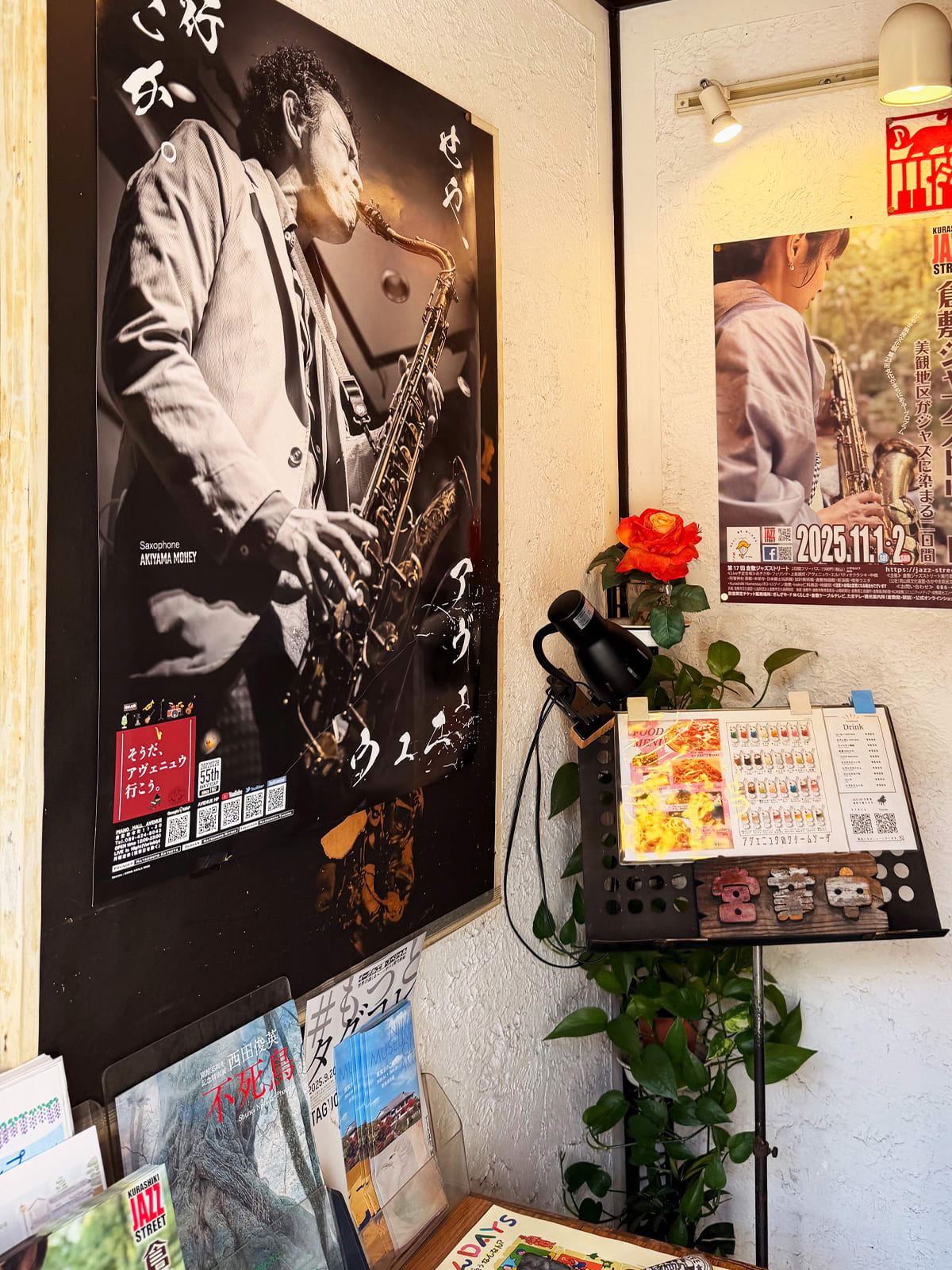
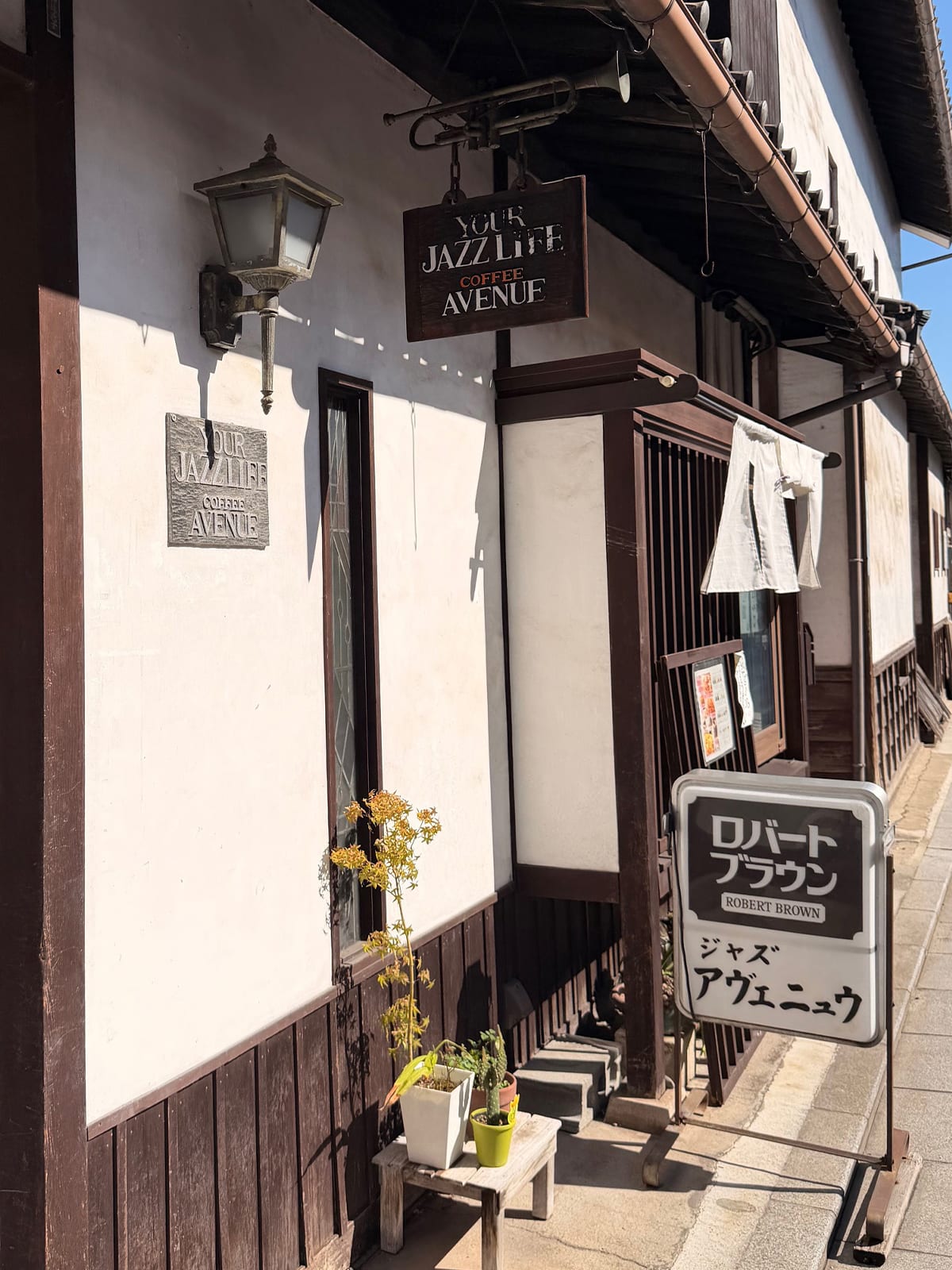
One of the pleasures of wandering Japan’s streets is never knowing what you might stumble upon. Tucked along the tourist stretch of the Bikan Historical Quarter, Piano Hall Avenue is a quietly cool, white-plastered building that serves coffee, cream sodas and Italian food from noon to 5pm before turning into a live jazz venue from 6pm to 10pm. Check the website for the programme.
Address: 11-30 Honmachi, Kurashiki City, Okayama 710-0054
HOW TO GET TO KURASHIKI
Most visitors travel between Osaka and Kyoto, but if you have a day or two and want to experience Edo-period architecture without the crowds, consider heading the other way to Kurashiki. Getting there is straightforward:
- From Shin-Osaka Station, take the shinkansen to Okayama – one stop, about 45 minutes on a Nozomi service.
- From there, change to the JR Sanyo Line. Kurashiki Station is three stops away, about 15 minutes by train.
- Begin in the Bikan Historical Quarter, the heart of Kurashiki’s canal district and historic townscape. It is a 10- to 15-minute walk from Kurashiki Station.
- To skip the train change, take a taxi or a ride-hailing service from Okayama Station directly to the Bikan Historical Quarter. The journey takes about 30 minutes, depending on traffic.