From Chanel’s 2.55 to Dior’s Cigale: The spring/summer 2026 bags to know now
This is a season where luxury loosens up. The most covetable bags aren’t kept pristine — they’re softened by life, worn open, and carried with instinctive confidence.
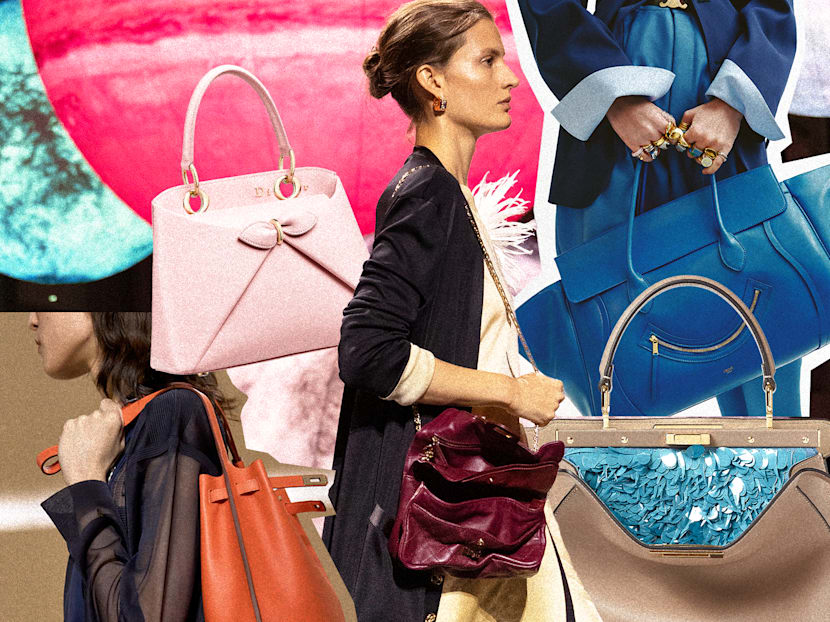
From crushed, carried-open styles to revived icons, these are the spring/summer 2026 bags shaping luxury’s new, less precious mood. (Photos: Courtesy of respective brands; Art: CNA/Chern Ling)

This audio is generated by an AI tool.


It would be an understatement to call the spring/summer 2026 collections important. Across Milan and Paris, an unprecedented creative reshuffle unfolded, with more designers than ever stepping into new roles and presenting debut collections, each one signalling where their brand might go next.
Nowhere was that more visible than in the bags on display. For every luxury house, the handbag remains the most potent expression of identity and the most commercially charged object in the room: creativity must meet reality, ideas must translate into desire, and heritage must prove its relevance.
This pressure was most acute in the new creative directors’ debut collections, where the bag became the clearest signal of intent — Jonathan Anderson at Dior; Jack McCollough and Lazaro Hernandez at Loewe; Matthieu Blazy at Chanel; Michael Rider at Celine. Each introduced key styles with unmistakable ambition: to become future signatures.
What emerged was something like a report card — not of winners and losers, but of philosophies. Each designer faced the same question: how do you honour a brand’s history without being trapped by it?
Collectively, the answer leaned towards a new attitude to luxury. An insouciance ran through the designs and styling: handles were removed, shapes softened, icons relaxed. Bags were crushed, worn open, and carried without ceremony. In making heritage legible to a generation that values ease over polish, the new luxury is no longer about being precious.
What made this season compelling was how designers returned to their houses’ most recognisable designs — some 20, 50, even 70 years old — and made them feel relevant without stripping them of meaning.
These are the bags that defined spring/summer 2026.
CHANEL
The 2.55 bag
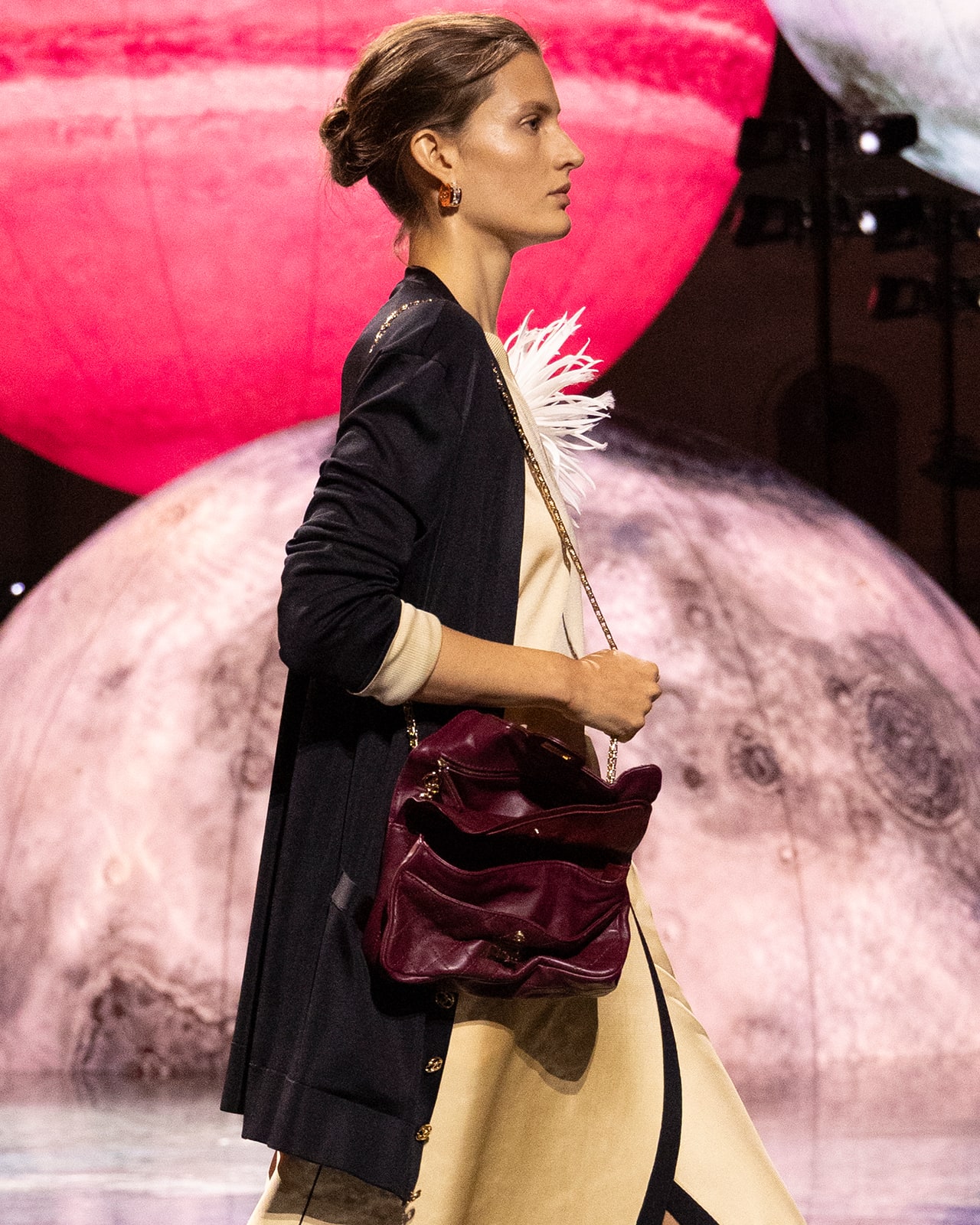
It is easy to assume that the Chanel 2.55 has reached the limits of reinvention. Karl Lagerfeld interpreted it endlessly over his three decades at the house, stretching its symbolism, scale, and surface treatment until the bag itself became shorthand for Chanel. And yet, at creative director Matthieu Blazy’s debut ready-to-wear collection, the 2.55 appeared fundamentally different.
The familiar codes didn’t change: supple leather; diamond quilting flattened as if pressed by decades of wear; the flat-link chain strap; the rectangular Mademoiselle turn-lock clasp; the signature burgundy lining. But its attitude did.
On the runway, Blazy’s 2.55 looked crushed and almost mishandled. Bags swinging off shoulders were left open and bent into irregular forms. There was a deliberate nonchalance at play — the idea of not being precious with your bag. (No, your bag does not need a seat at lunch.) Blazy likened them to the sculptures of John Chamberlain — “car crashes”, as he put it — an unexpectedly raw reference.
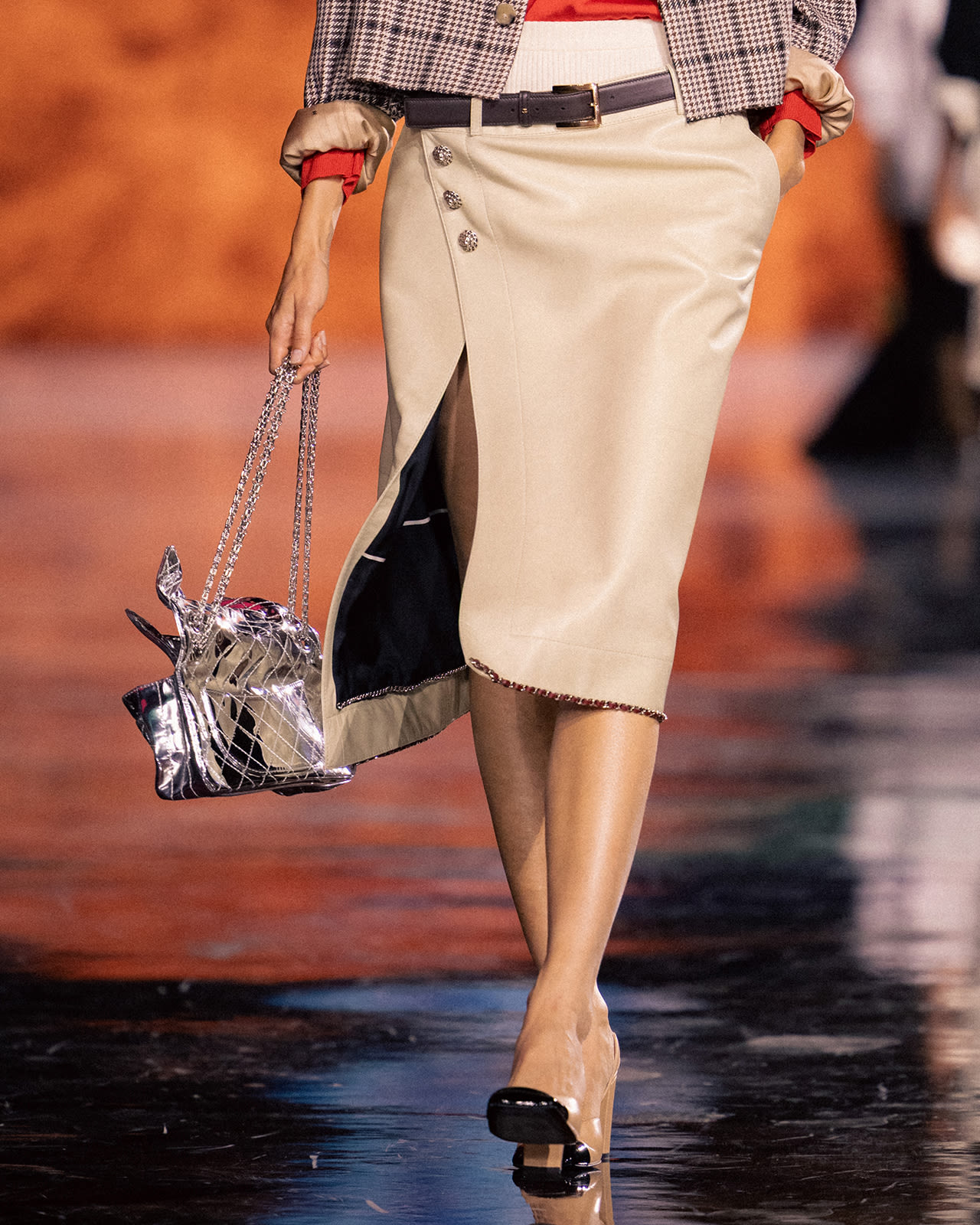
Achieving this effect wasn’t easy. Like the originals, the bags are produced at Ateliers de Verneuil-en-Halatte in France’s Oise region, and extensive testing with the Chanel Creative Studio was required to realise Blazy’s vision without compromising the bag’s lightness or the natural character of the leather.
The solution was structural: ultra-thin layers of pliable aluminium embedded inside the leather, allowing the bag to be scrunched, folded and reshaped by the wearer while still retaining its form. In some versions, the flap was also re-engineered, articulated through a discreet metal hinge.
The new 2.55 is offered in two sizes, crafted in lambskin and calfskin. There is also a minaudiere, offered in two sizes. Made of cast brass and individually polished, each minaudiere carries subtle variations, making every piece unique.
LOEWE
The Amazona 180 bag
Introduced in 1975, the original Amazona was designed for a changing moment: as more women entered the workforce, they needed something structured, capable and authoritative. Borrowed from the Amazons of Greek mythology, its name spoke to strength and independence. For decades, it stood as a pillar of the house. In recent seasons, however, it stepped aside as softer silhouettes like the Flamenco took centre stage.
Spring/summer 2026 marks its return. Under newly appointed co-creative directors Jack McCollough and Lazaro Hernandez, the Amazona has been eased into a more lived-in look.
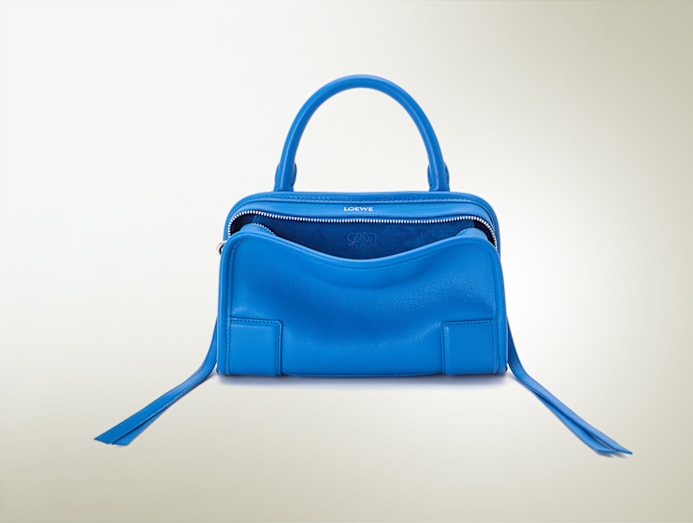
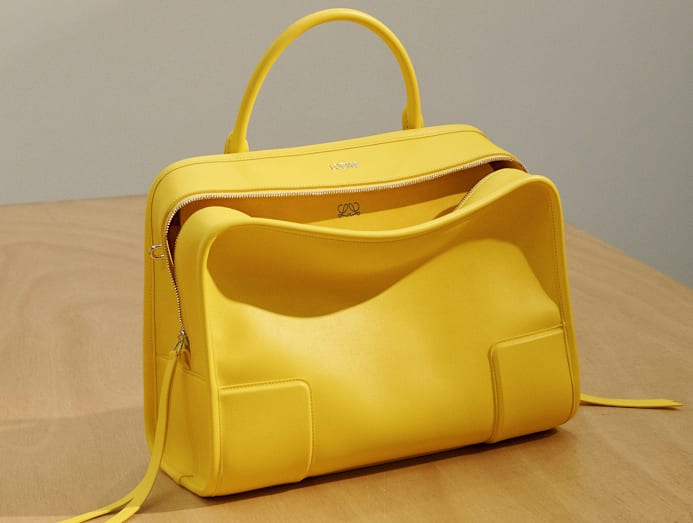
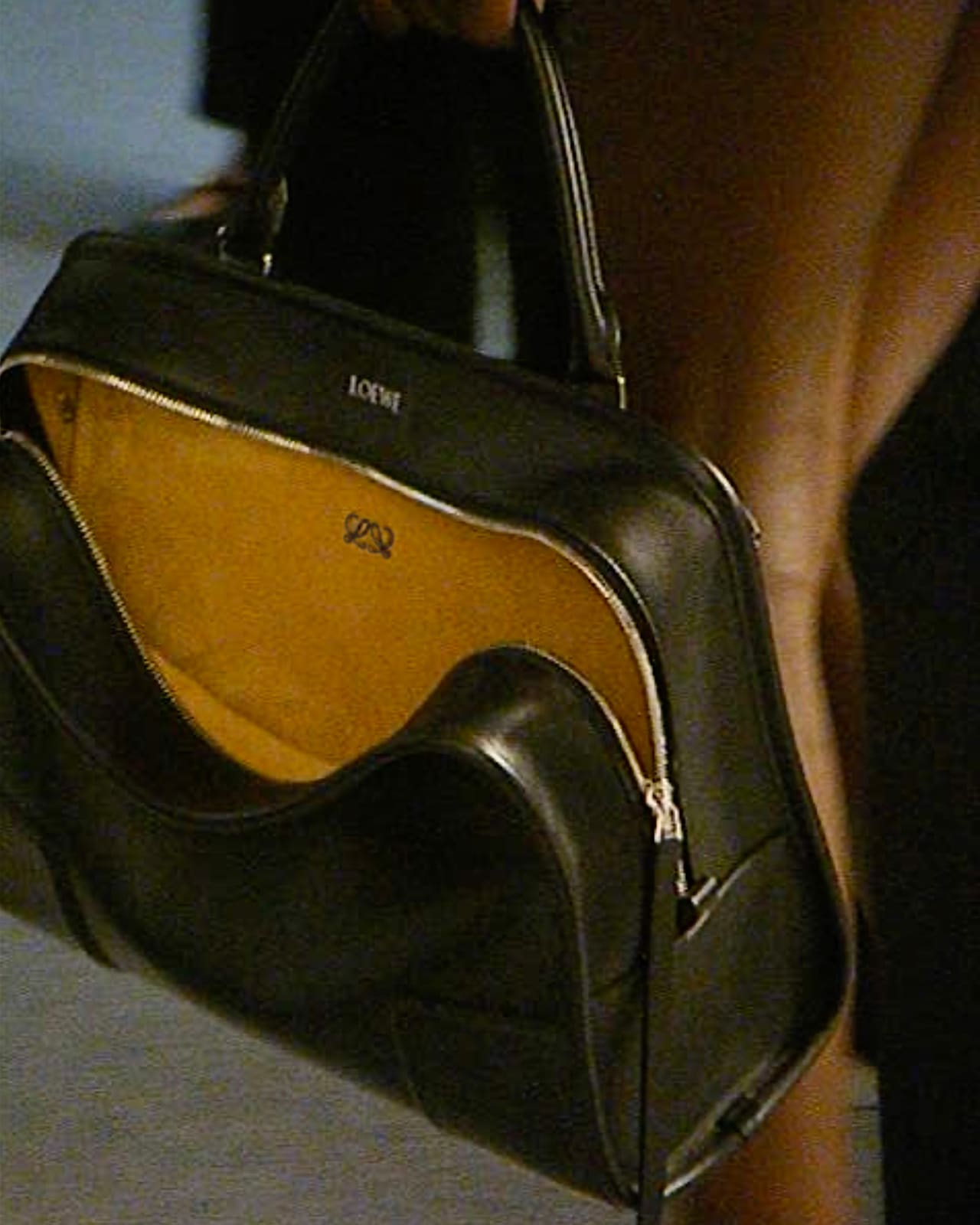
The Amazona 180 softens the bag’s famously rigid front, changing how it leans against the body. On the runway, it was carried open (though it can be zipped up too), revealing an inner leather panel stamped with the duo’s new interpretation of the house anagram — now halved into a double-L mark. This branding becomes more prominent in the subsequent pre-fall collection.
Behind the visible inner panel sits a concealed compartment with snaps and internal pockets, allowing the bag to function securely even when worn open. It comes in two sizes, and the larger one fits a 13-inch laptop, a small but telling detail that reinforces the Amazona’s original purpose.
The structure has been adjusted too. One of the top handles has been removed, shifting the balance of the bag, while a longer strap at the back allows for more flexible carrying. Additional loops accommodate charms, optional but expected. Materials include soft calfskin and suede, with subtle contrasts between interior linings and outer surfaces.
DIOR
The Cigale bag
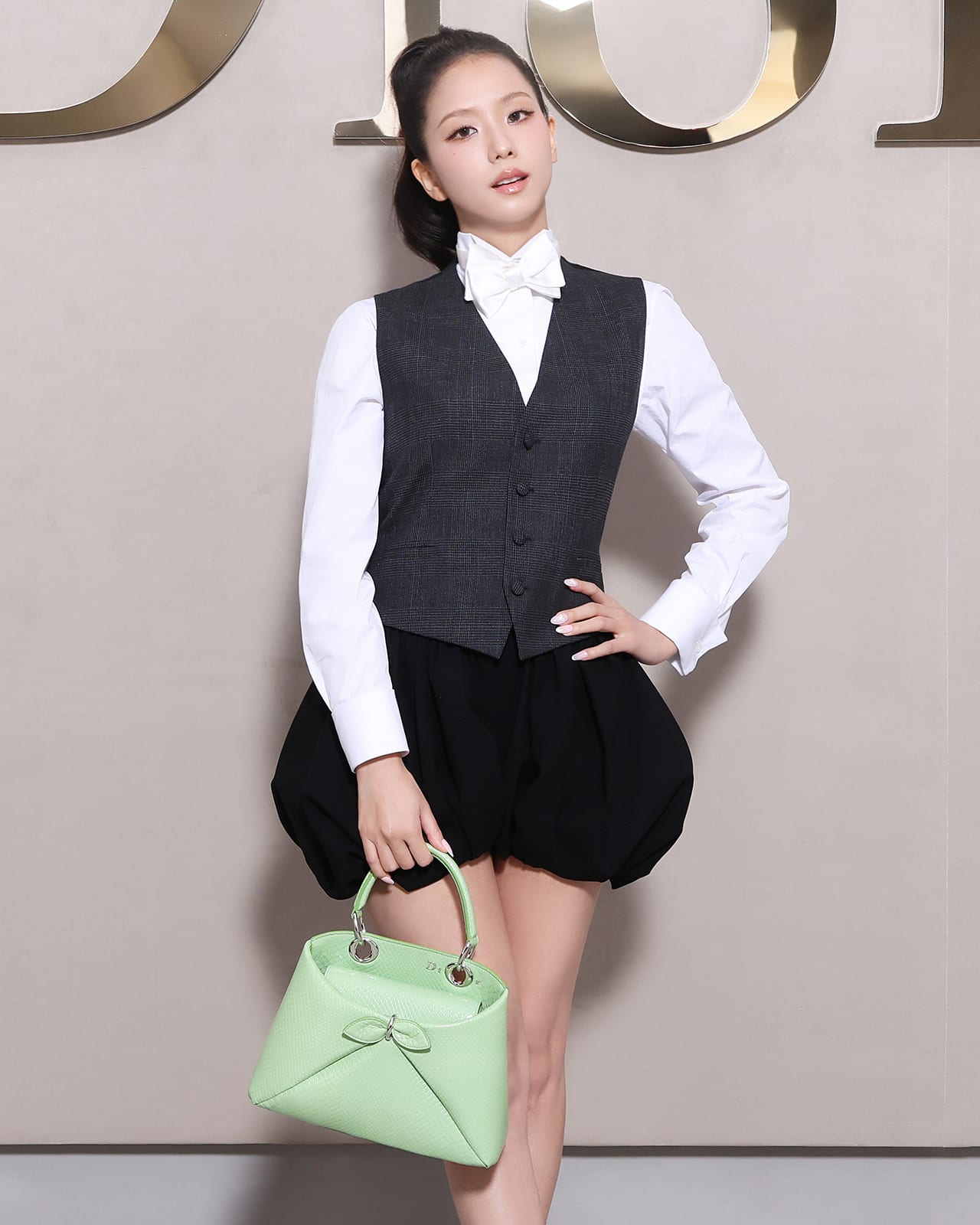
Jonathan Anderson’s debut for Dior arrived amid intense scrutiny — and so did the Cigale bag. It appeared not only on the runway but also in the front row, carried by Blackpink’s Jisoo, signalling its importance. At first glance, it reads as ladylike and elegant. But linger a moment longer and Anderson’s hand becomes clear.
The Cigale is built around a folded front panel that tucks inward, securing an asymmetrical open top with a single handle. Beneath that handle sits a playful detail: the Dior logo rendered in metal lettering, reintroduced in lowercase (a nod to the house’s earliest typographic identity) and intertwined with the handle’s eyelet.
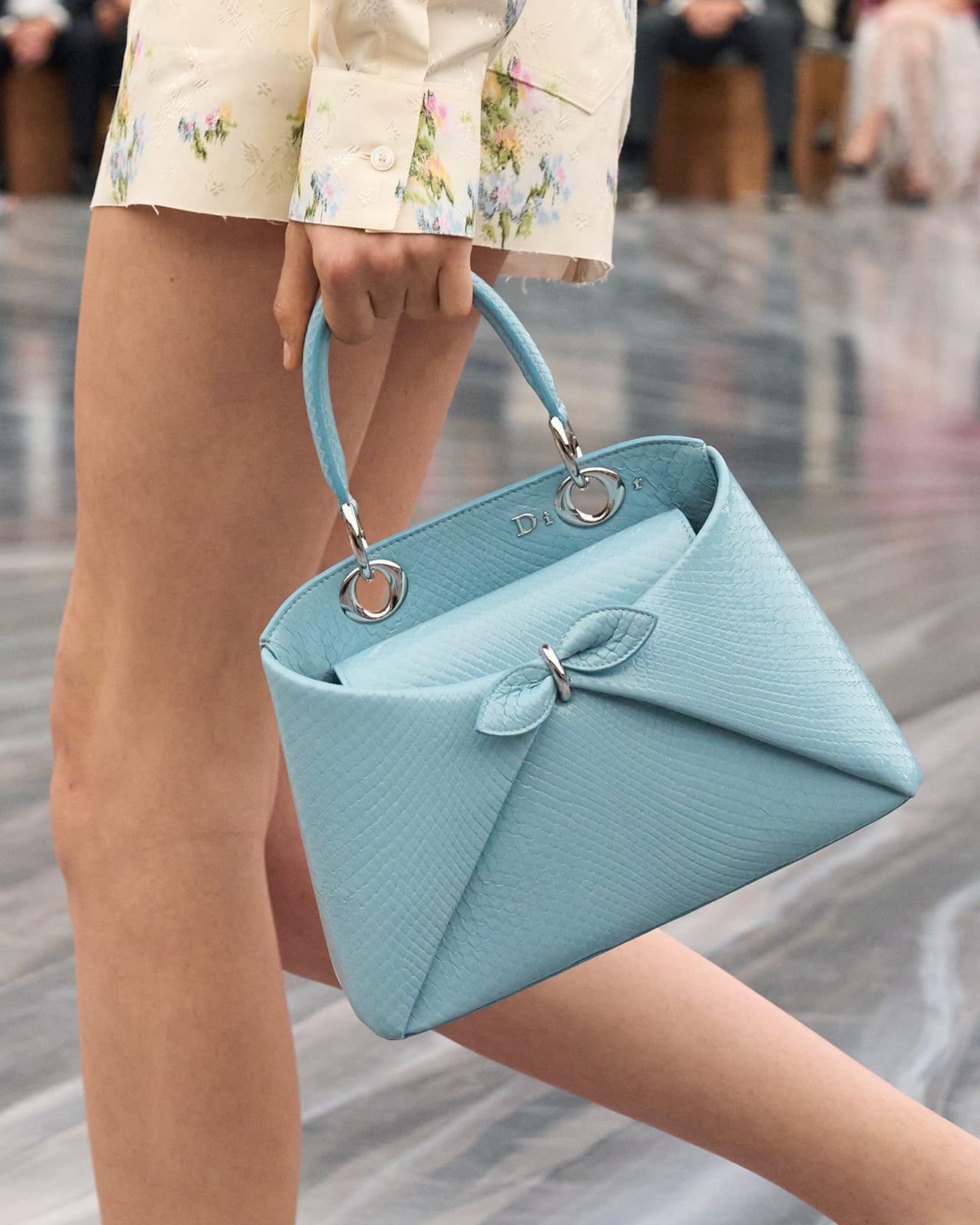
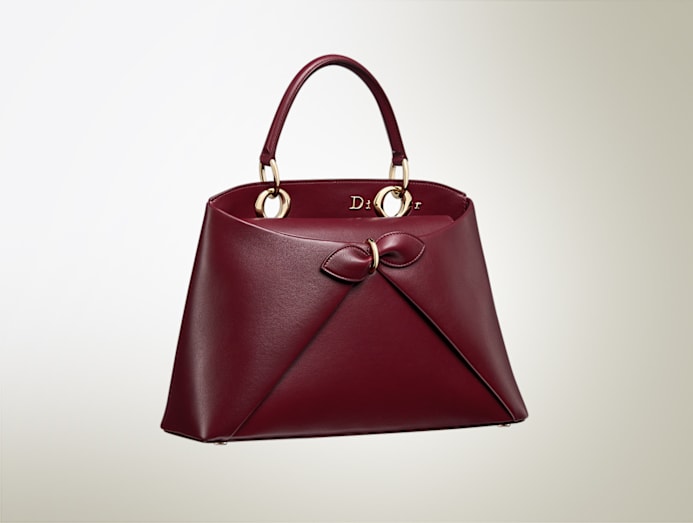
The bag features a bow — Dior’s house code — and comes in two sizes, in a palette tied to Dior’s heritage hues from pale pink to icy blue. It can be carried by hand, over the shoulder or crossbody.
What gives the Cigale its depth is its historical anchor. On his personal Instagram account, Anderson said it was “named after my all-time favourite dress by Christian Dior” — a 1952 couture design with a fitted bodice paired with a full skirt and bow belt celebrated for its sculptural precision.
In a season where Anderson’s Dior debut was closely read for direction, the Cigale offers one of the clearest answers. It is neither nostalgic nor aggressively new, but points towards a future where heritage is handled with intelligence, lightness and wit.
LOUIS VUITTON
The Dopp Kit pouch, reimagined
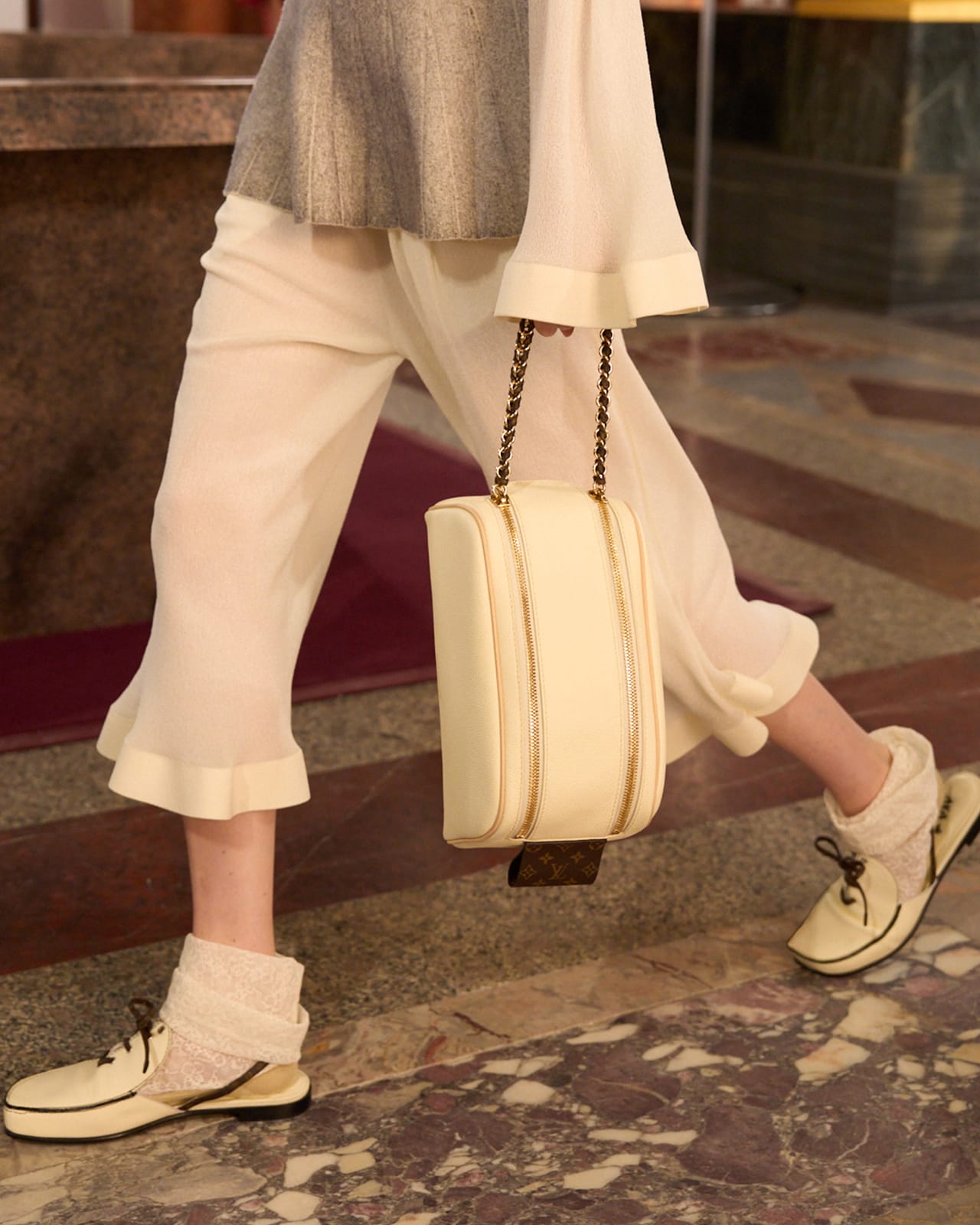
At Louis Vuitton, travel has always been the starting point. So it was notable that the spring/summer 2026 show opened with a reimagined Dopp Kit pouch, elevated from a men’s toiletry case to a fully realised bag alongside the womenswear.
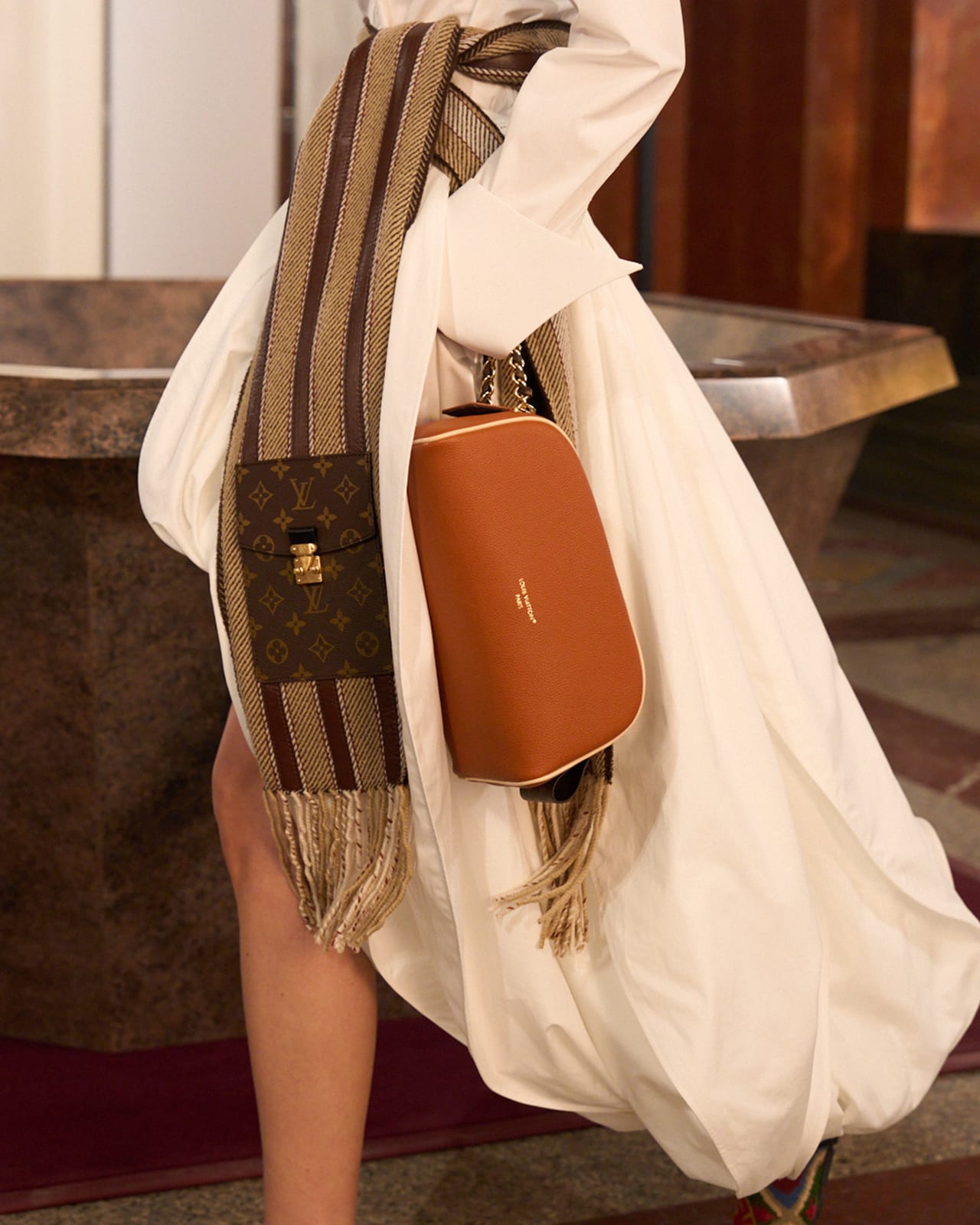
Its placement at the beginning of the show mattered. It was carried with intention — a declaration of utility turned into style. The pouch retains its soft silhouette: rounded edges, a structured body, and a zip-top closure, with some versions swapping a traditional leather handle for a short gold-tone chain.
What sets the spring/summer 2026 Dopp Kit apart is restraint. Nicolas Ghesquiere does not over-design. There are no extraneous pockets, no ornamental hardware vying for attention. The focus is on material integrity, proportion and lineage. The toiletry case becomes a daily bag without losing sight of its original purpose — an example of how forms can be adapted thoughtfully rather than loudly.
FENDI
The Peekaboo ‘Inner Beauty’ bag
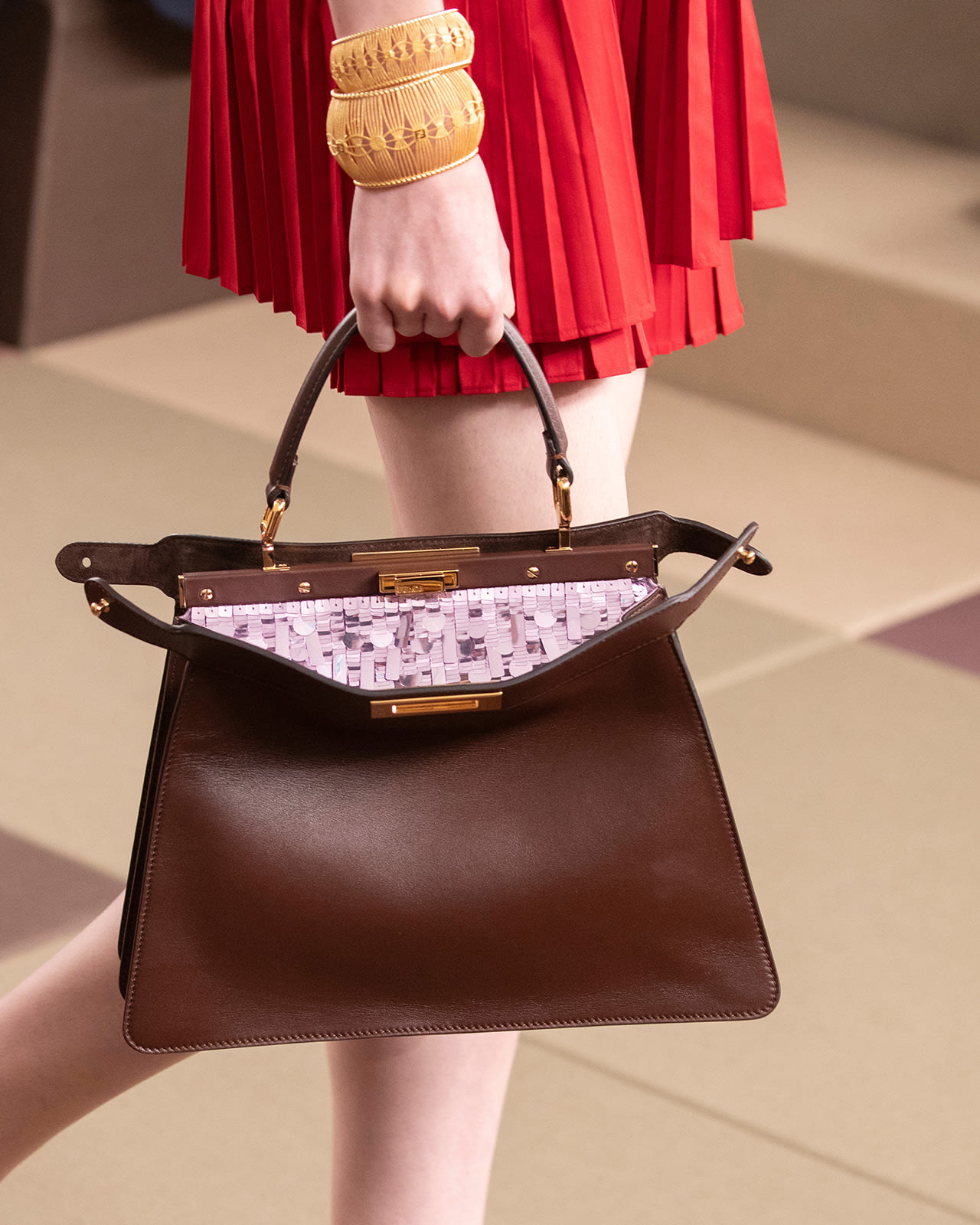
In a season where bags are worn open and carried unzipped, the original reference point remains the Peekaboo. Few designs capture the duality of concealment and revelation as precisely as this Fendi icon.
Introduced in 2008 and named after the children’s game “Peekaboo, I see you,” the silhouette never chased spectacle. Its strength lay in proportion, restraint and the quiet thrill of what was hidden inside. For spring/summer 2026, Fendi extends that philosophy with a collection it calls Inner Beauty.
Seen from the street, the new Peekaboo could be mistaken for any other iteration: measured and purposeful. Leather exteriors are smooth and composed. But peek inside, and Fendi shows its hand.
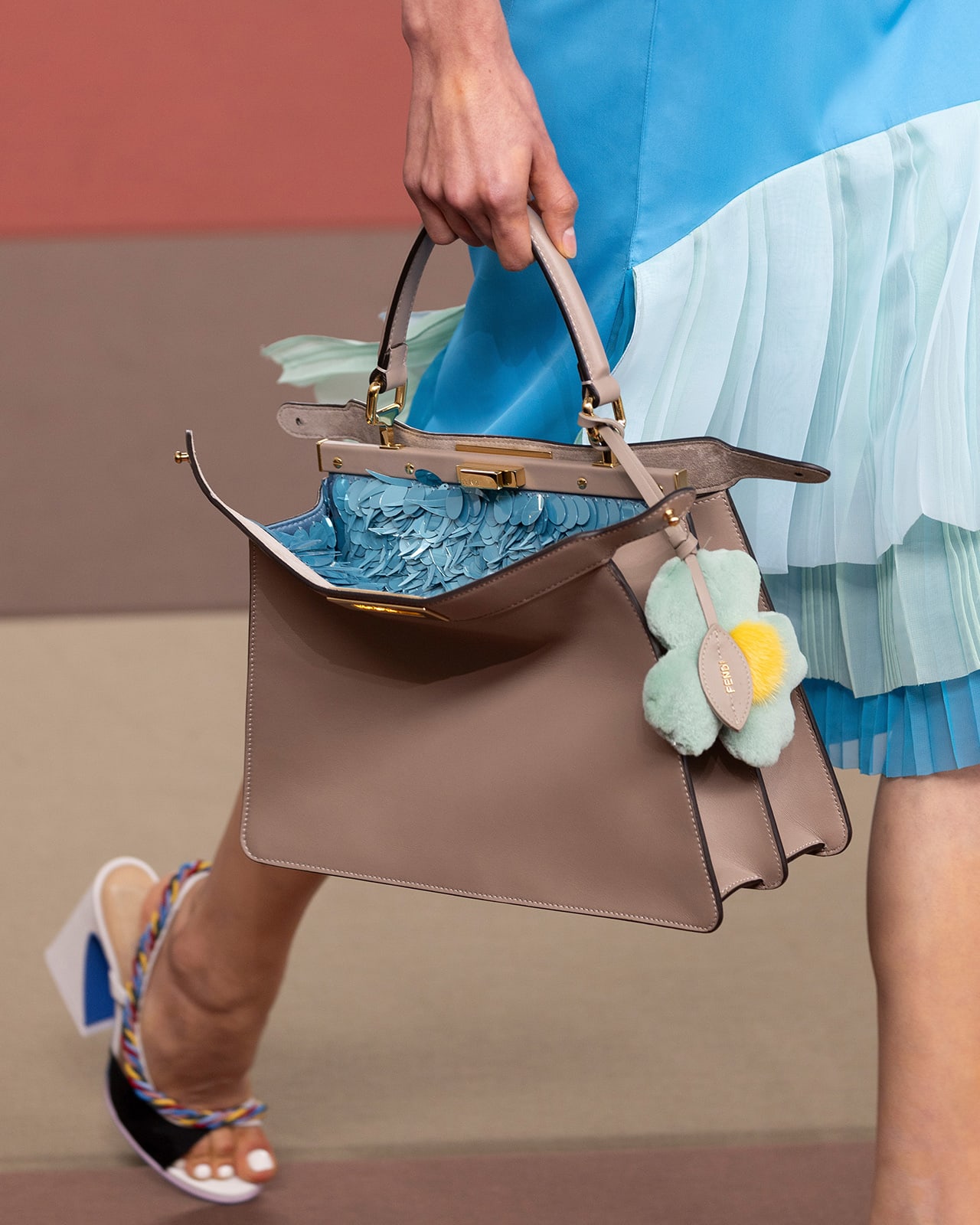
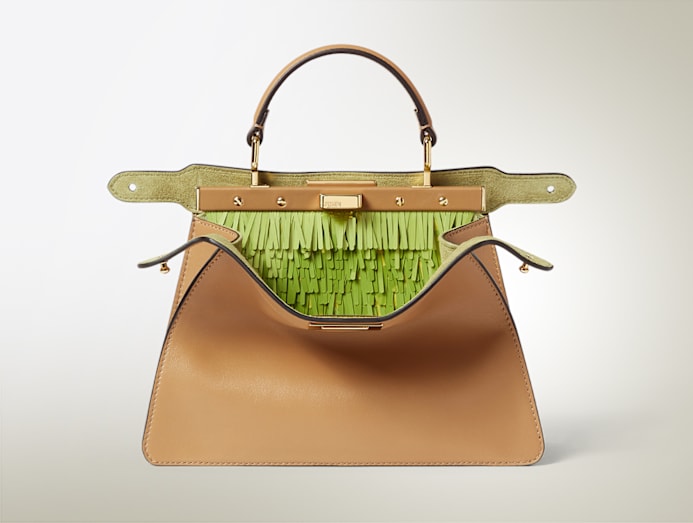
Inside is jewellery-box theatre: round paillettes threaded thick as fur, confetti-like embellishments, flower studs, and crystal petals that catch light from every angle. It is as though joy has been engineered into the bag’s very lining. The embellishments are the product of meticulous savoir-faire — at times requiring more than 200 hours of handwork per bag — executed by Fendi’s most skilled artisans.
The genius of the Peekaboo Inner Beauty lies in that juxtaposition: a restrained exterior, indulgence within. It is a reminder that the most powerful luxury is still what only the wearer gets to see — and what others only glimpse.
HERMES
The Kelly Hobo bag
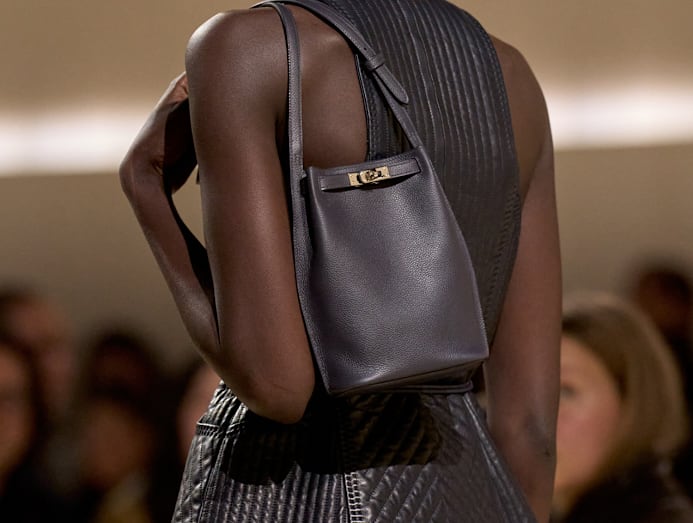
Hermes rarely resurrects silhouettes. So when the Kelly Hobo re-emerged for spring/summer 2026, the reaction was immediate. It is a direct riff on the So Kelly, the slouchy, bucket-style kin of the Kelly introduced by Jean-Paul Gaultier for Hermes’ fall/winter 2008 line and later discontinued.
On the catwalk, the Kelly Hobo appeared in Hermes orange and black, but the reinterpretation was all about restraint. Rather than the original’s D-ring attachments, Hermes streamlined the design so the shoulder strap flows seamlessly from the body, creating a sculptural seam that gives the relaxed form a subtle architectural edge.
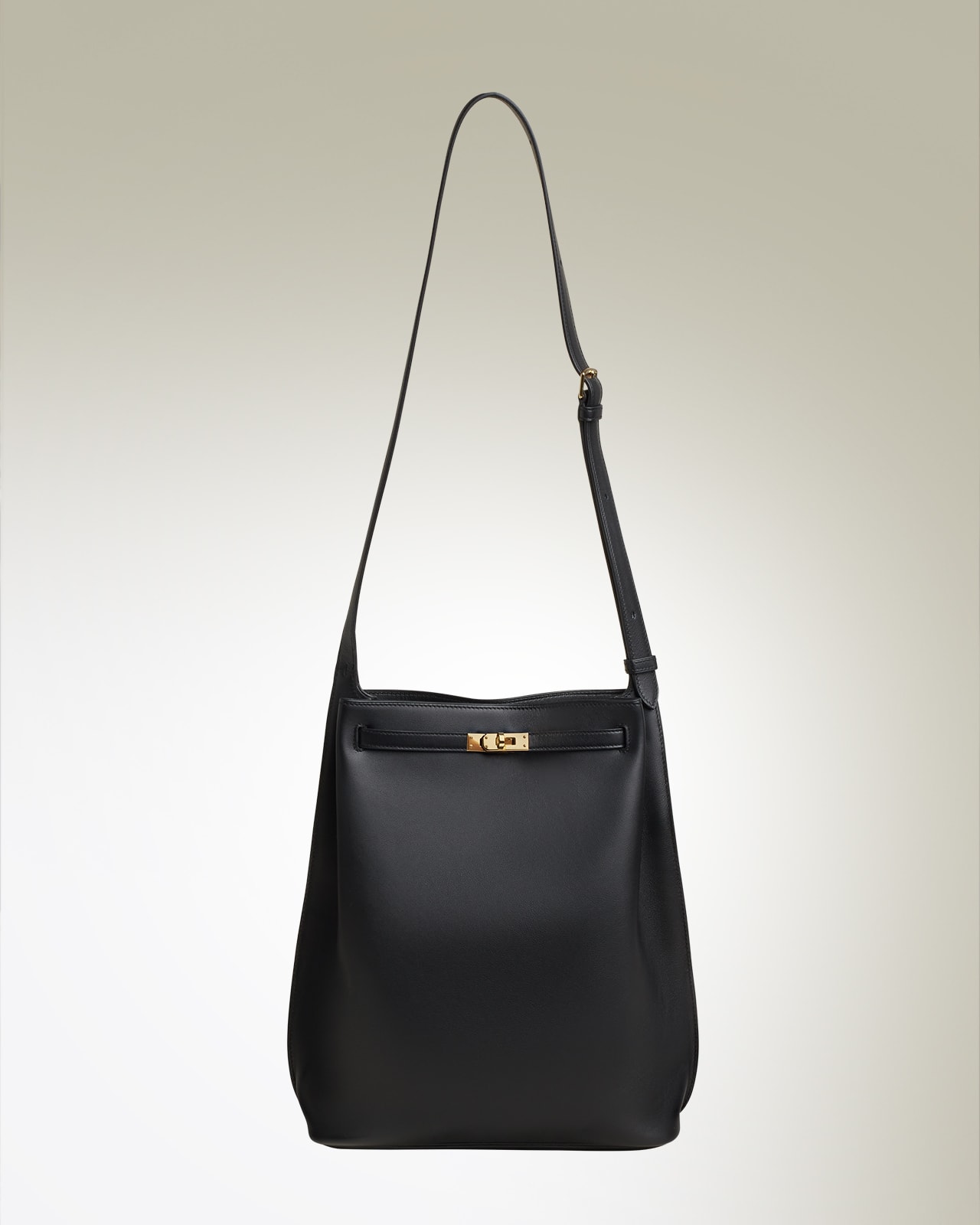
The Kelly Hobo carries the air of a bag meant to be worn daily with ease. Its elongated, cylindrical form feels comfortable, and practicality wins: the interior is generous without being cavernous, and minimal hardware allows the leather to remain the primary statement. It is the right bag, at the right time, for a season obsessed with movement, ease, and lived-in luxury.
CELINE
The New Luggage (Smile Variation)
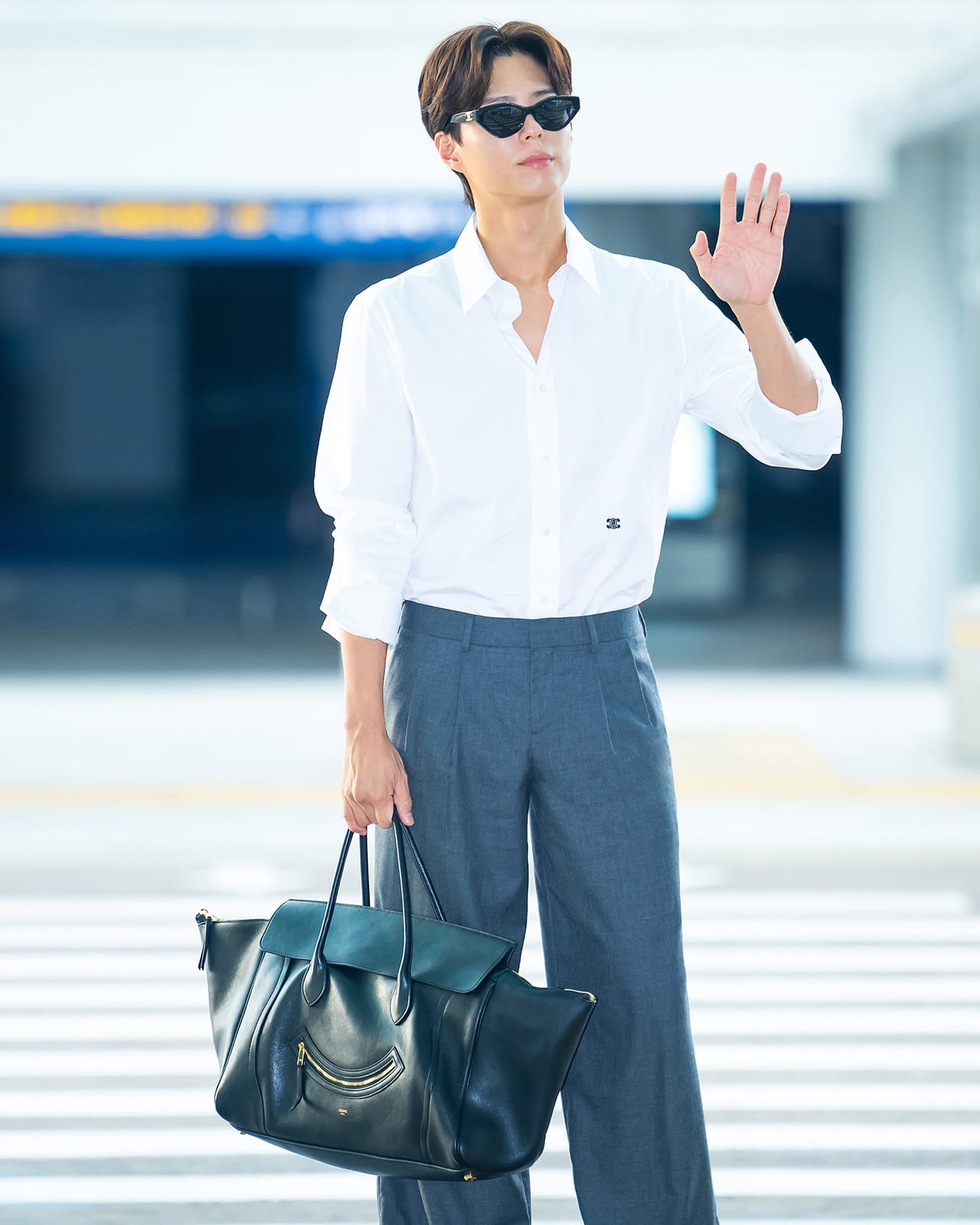
Remember when everyone — and every editor — carried Phoebe Philo’s Celine Luggage? That mammoth, face-like bag that looked like it could swallow a small child? It was 2010’s answer to architectural handbag design. Love it or hate it, you couldn’t ignore it.
Back at Celine after his tenure at Ralph Lauren, new creative director Michael Rider is giving the Luggage a quiet recalibration. The result? The once-severe front zip now curves upward into what looks like a grin — a personality adjustment that shifts the bag’s mood from intimidating to unexpectedly approachable.
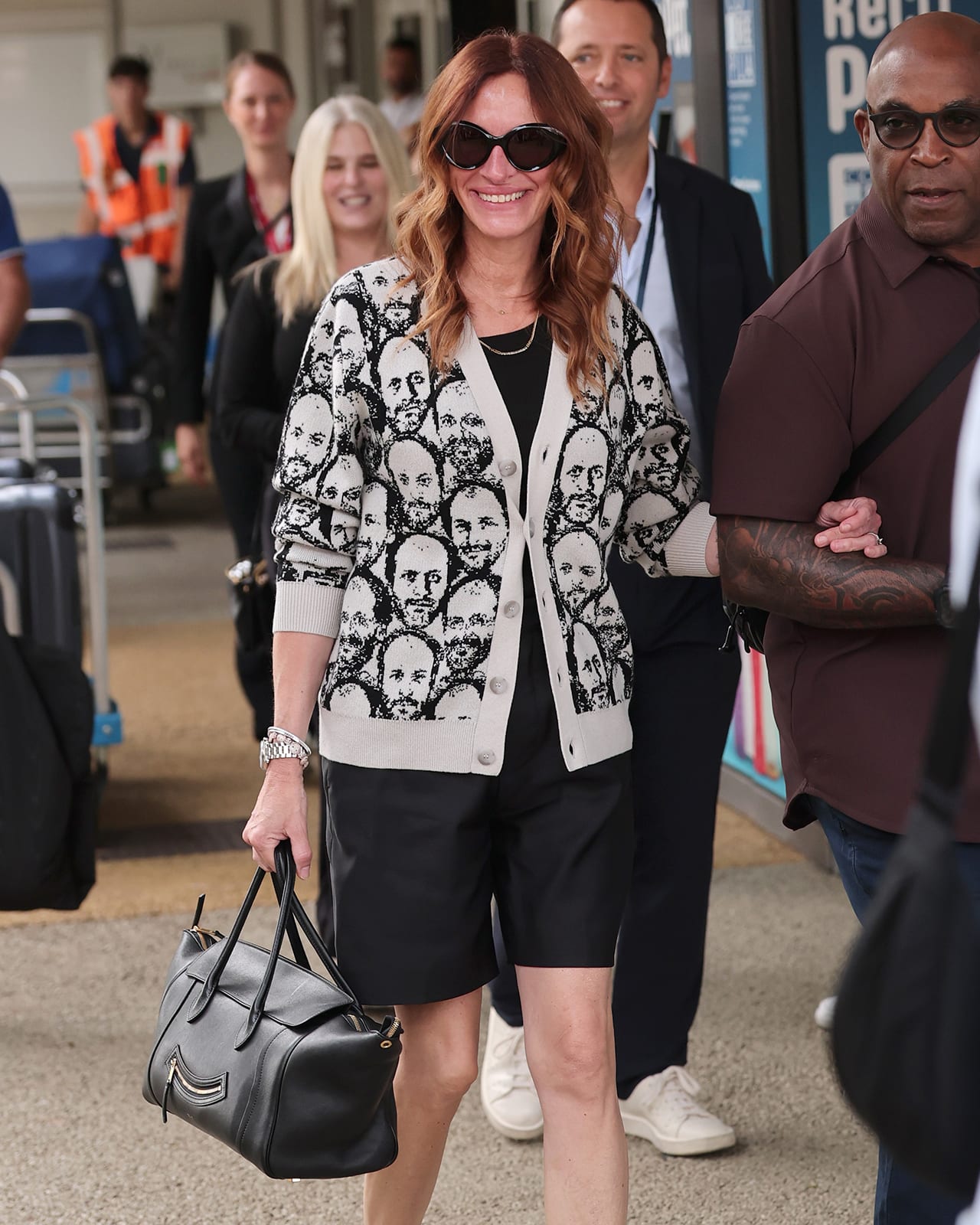
Rider spent a decade working under Philo, so he knows this bag’s DNA better than most people. His tweak is precise. Instead of the rigid, boxy silhouette that made the original feel like luxury armour, he stretches it into an East-West shape and swaps stiff leather for buttery lambskin, soft to the touch.
It comes in gorgeous citrus yellow and oxide blue, shades that feel optimistic without trying too hard. There are crocodile versions, of course, but the real story is in the everyday materials — bags that don’t require white gloves.
What stands out most is how functional this feels. The original Luggage was often more statement than substance. Beautiful, yes, but exhausting to carry and impossible to ignore. This version has streamlined interiors that don’t swallow essentials, and proportions that make sense for real life. In a season crowded with revivals, Celine’s approach feels measured, and refreshingly restrained.