From local spirits to regional identity: 7 trends shaping Asia’s cocktail bars
Across the region, bartenders are embracing flavour-led minimalism, regional ingredients, local spirits and fuller bar experiences that go beyond the drink.
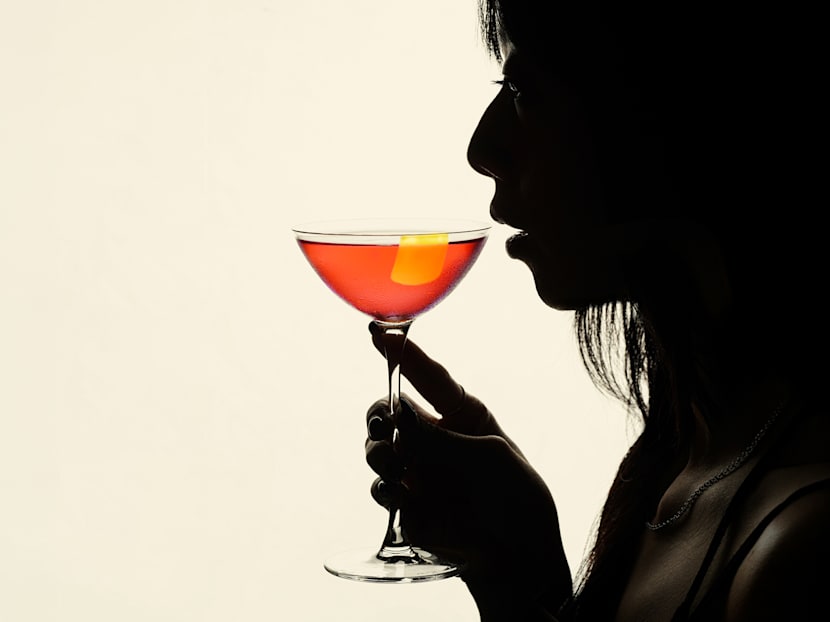
Asia’s bars are no longer simply following the rest of the world – they are increasingly shaping what comes next. (Photo: Cosmo)

This audio is generated by an AI tool.


The Asian cocktail scene has never stood still. This year, as bars across the region put their best foot forward with sharper drinks, more local menus and richer evenings, it is time to acknowledge what the bar community has long known: Asian bars are no longer following trends – they are setting them.
We spoke to 12 bartenders from eight cities – Singapore, Hong Kong, Macau, Kuala Lumpur, Bangkok, Seoul, Taichung and Delhi – whose bars are rooted in their local context. What stood out was the consensus around minimalism, regionality and no- and low-alcohol drinking. From experience-driven to lifestyle-led bars, these are seven trends defining the region.
LESS THEATRE, MORE FLAVOUR
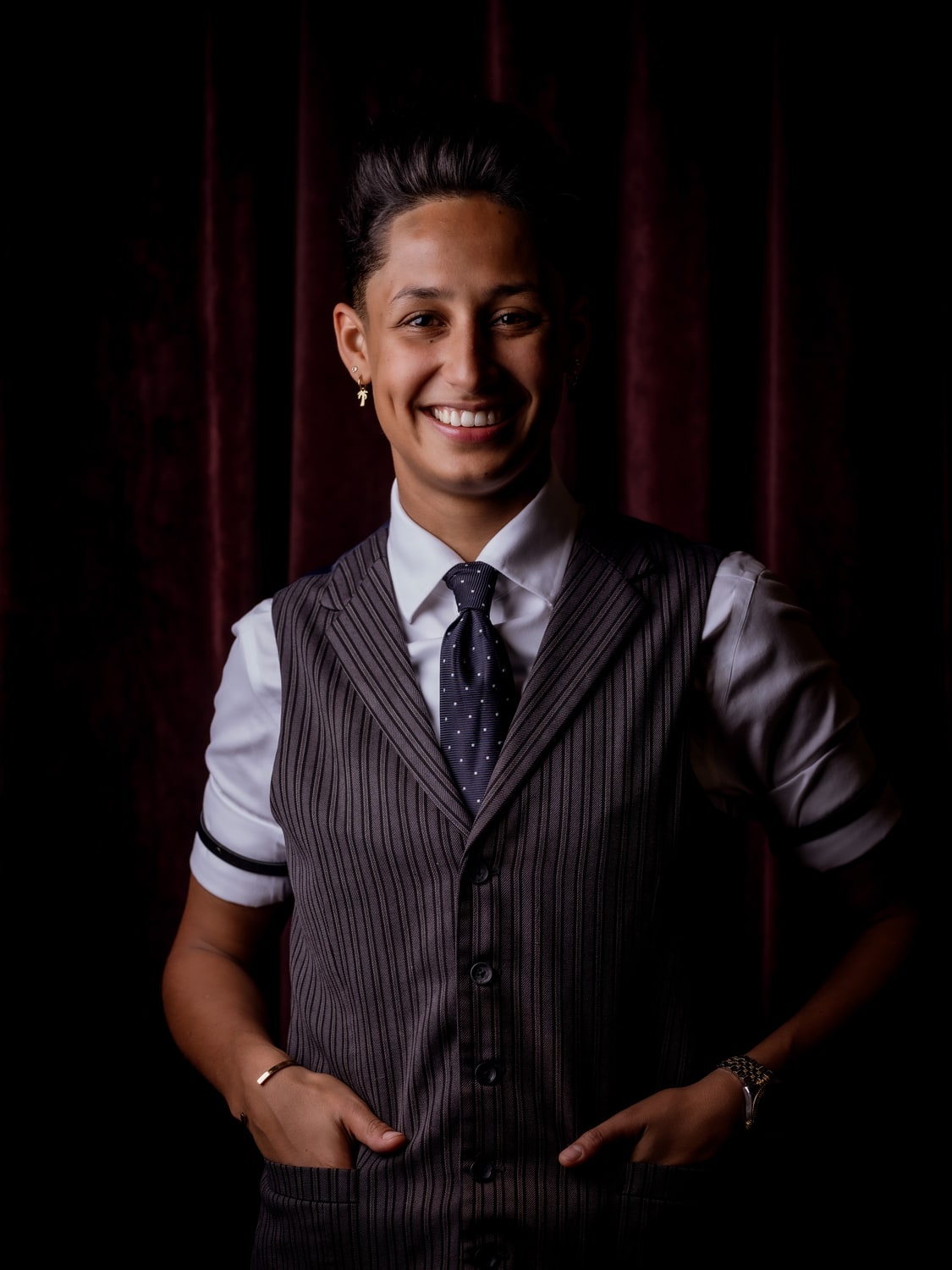
Forget elaborate garnishes, smoking vessels and theatrical pours. Many of Asia’s leading bars are moving in the opposite direction. “We are moving from excessive garnishes towards flavour-led minimalism,” said Mark Lloyd, bar director at Wing Lei Bar, Wynn Palace, Macau. “We want our garnish to work with the drink.”
In Singapore, Zana Mohlmann, bar director at Manhattan, echoes the sentiment. “In 2026, we see a shift towards precision. Drinks are becoming tighter and more focused. Fewer components, but better balance.”
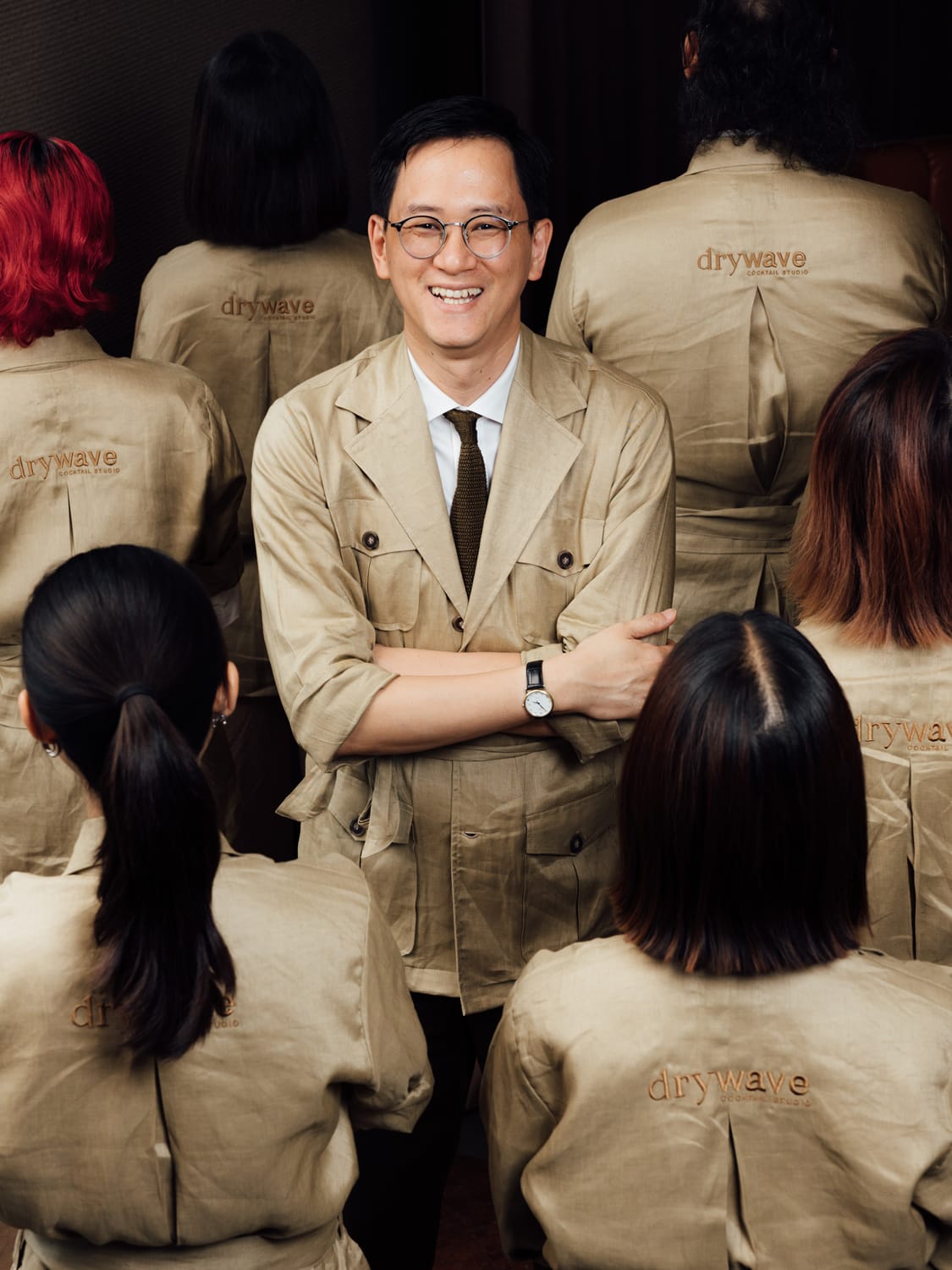
For Supawit Muttarattana, or Palm, co-founder of Dry Wave Cocktail Studio in Bangkok, this is less a trend than a sign of the category maturing. “Concepts like minimalism, maximalism, sustainability – these have become foundational components rather than defining trends. They are already being practised worldwide and are no longer particularly new.”
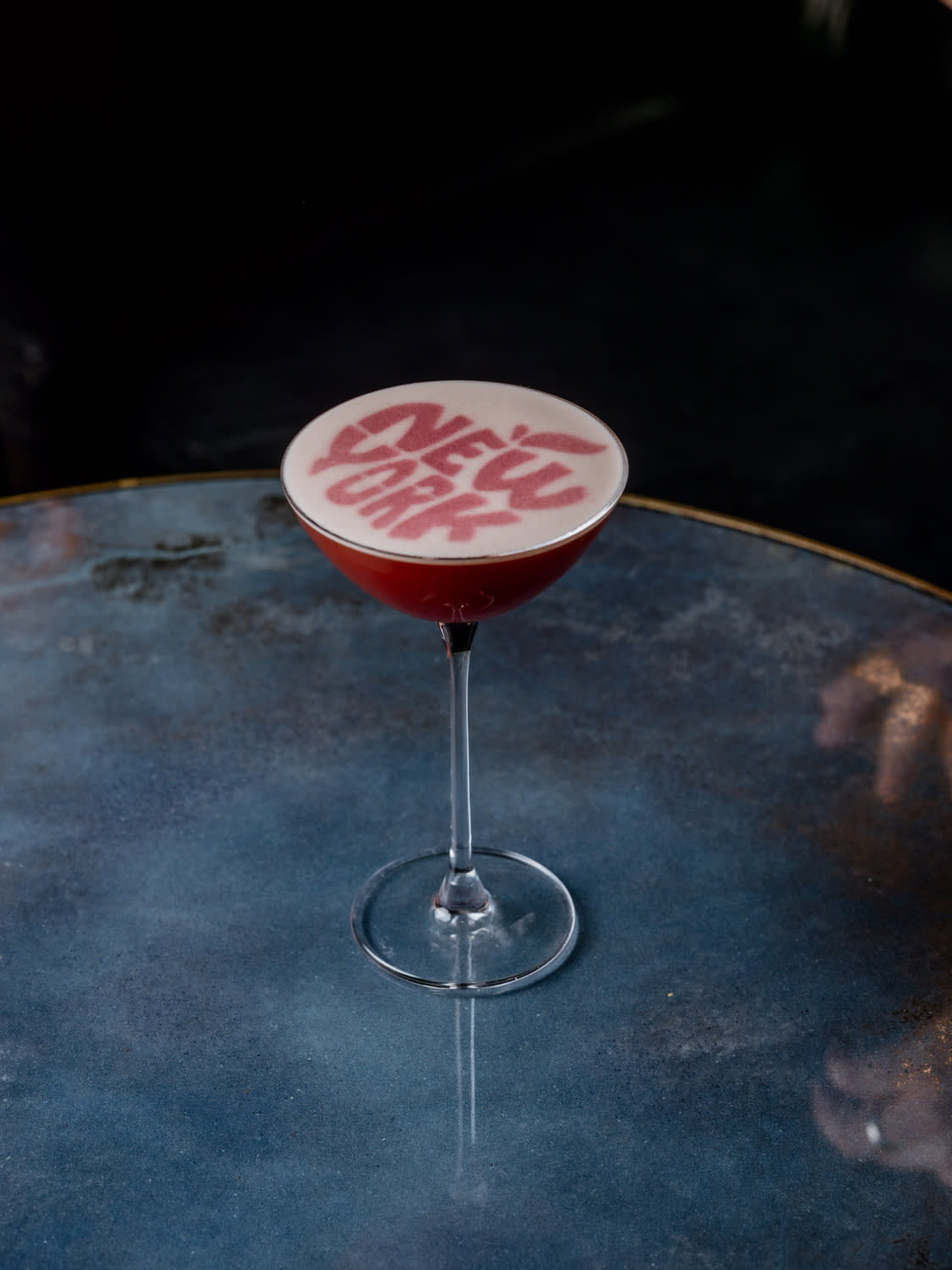
The look is increasingly pared back – clean lines, fine glassware and understated garnishes. At Manhattan, the New York Sour arrives with a stencilled dusting of edible powder that simply reads “New York”, while at Penrose in Kuala Lumpur, chilled glasses and artfully cut citrus rind are garnish enough.
REGIONALITY IS EVOLVING
Regionality has evolved from a trend into established practice. It is no longer about using a local ingredient in a drink – it is about creating drinks with a genuine sense of place.
In Hong Kong, Gavin Yeung has championed this at Kinsman by resurrecting long-forgotten local spirits and building a drinks programme around them. “Consumers are increasingly choosing places that champion their local culture,” he said. “These are the new exclusive experiences.” He is now looking to the city’s cha chaan tengs – its beloved local diners – as the next creative territory for cocktail culture.
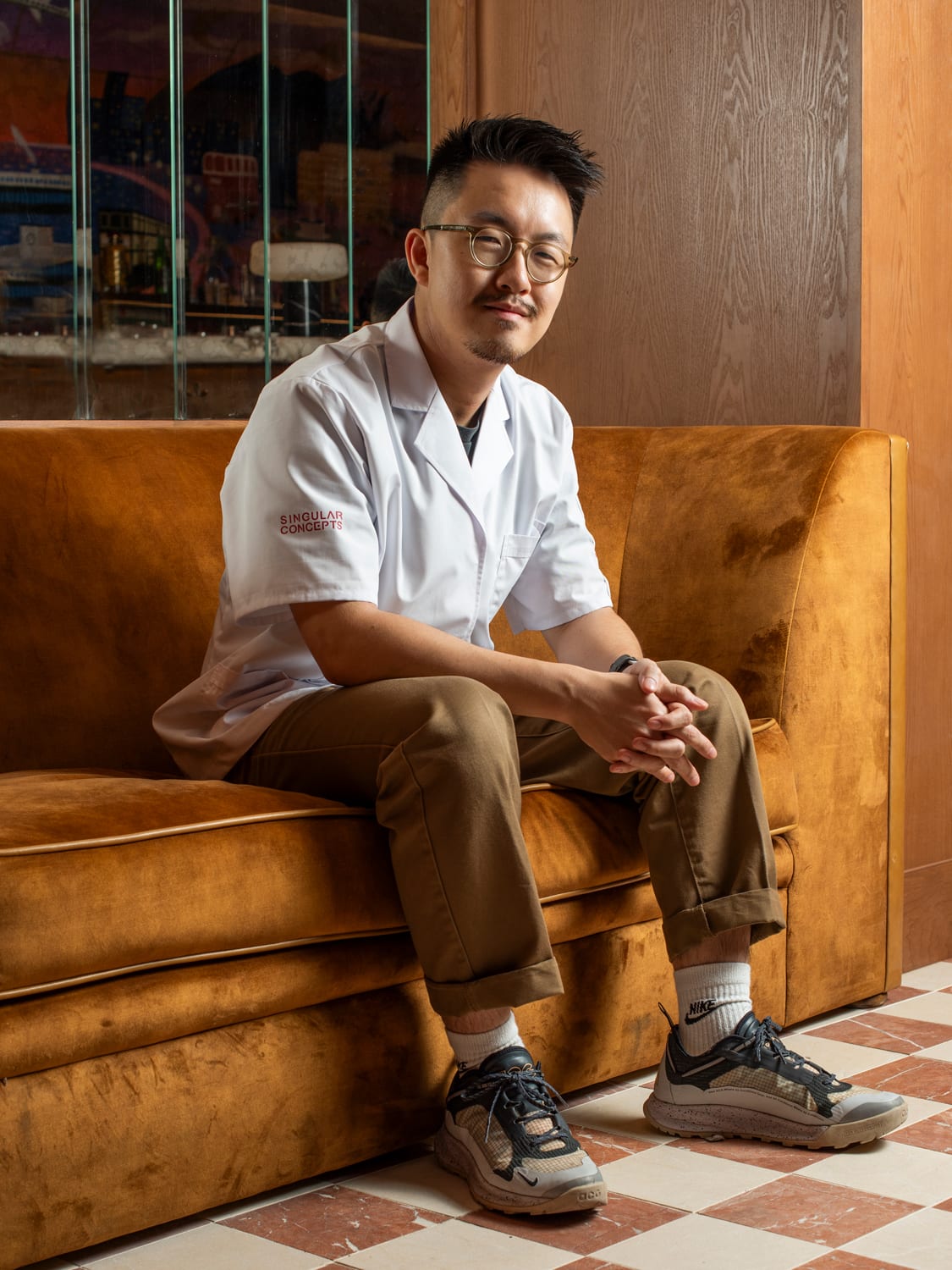
In Seoul, Do Hyung 'Demie’ Kim, co-founder of Zest, interprets Korean identity through spirits and ingredients that resonate with tourists who come specifically to taste something distinctly Korean. In Taichung, Summer Chen of Vender (she's a co-founder) notes that bars are taking the concept even further, building entire menus around cultural context, history and sense of place by working with local producers, reviving heritage ingredients and techniques, and interpreting regional drinking cultures for a modern audience.
In Delhi, Minakshi Singh said regionality is being celebrated across India. Her latest bar Brook (which she co-founded), “takes inspiration from the Himalayan range, picking ingredients and techniques from 13 states, including Nepal and Bhutan, that touch the belt.”
But not every bar needs to lean into regionality, argued Adam Bursik, director of beverage at Origin Bar at Shangri-La Hotel, Singapore. “Everyone has space in the industry to express themselves, and if done well, crowds will follow.”
Maggi Point at Brook is perhaps the most vivid expression of this trend – a tequila-based cocktail seasoned with India’s beloved Maggi spice mix, and a direct nod to the roadside vendors found along Himalayan trekking routes.
NO- AND LOW-ALCOHOL DRINKS ARE STEADILY GROWING
From Bar Leone to the newly opened Sipping Tiger at InterContinental Phuket, bars are taking zero-proof drinks seriously. Many now list four or five non-alcoholic options, and bartenders are giving them the same attention as their alcoholic counterparts.
“We build them with structure, texture and depth – not as alternatives, but as counterparts,” said Mohlmann. “Acidity, dilution, aromatics and mouthfeel are all considered in the same way.” To create these drinks, she uses techniques including fermentation, kombucha, hydrosols and teas to build complexity and structure.
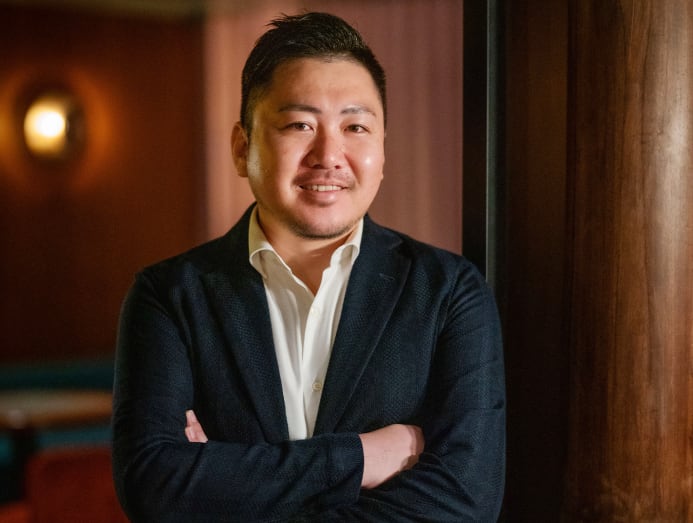
However, appetite for zero-proof drinks remains measured. “We see steady evolution rather than dramatic growth in the non-alcoholic category,” said Aki Eguchi, group beverage director of Jigger and Pony Group. He added that the group is focused on integrating non-alcoholic drinks into the full programme across its venues in Singapore and Jakarta while maintaining quality.
That seriousness is showing up in drinks such as Osmanthus & Tea at Jigger and Pony, Skinny Mango, and a reimagined mango sticky rice in a glass at Sipping Tiger at InterContinental Phuket.
LOCAL SPIRITS, GLOBAL MENUS
Baijiu, Korean soju and Japanese sake – spirits once confined by geography, production or occasion – are increasingly finding their way onto award-winning bar menus, adding a distinctly Asian edge to the glass.
In Singapore, Cat Bite Club lists 24 Carrot – a cocktail built on both Moutai baijiu and Korean soju in a single drink. In China, huangjiu, often rendered in English as “yellow wine”, is emerging as an alternative to vermouth in martinis. At SanYou in Guangzhou – from the team behind Hope & Sesame – the concept goes further, with the entire list built around baijiu. The Japanese whisky highball has already claimed its territory. Sake is now following suit, finding new audiences through its versatility as a mixing spirit.
“It’s interesting to see how a highly international classic cocktail can be transformed using a simple local ingredient, creating something that genuinely reflects a different flavour profile and cultural identity,” said Palm. The trend connects naturally to regionality, as bartenders reach for indigenous spirits to create a more distinct Asian identity.
The shift is showing up in familiar cocktails made with unfamiliar spirits – from a Lychee Gimlet at Nuss Bar in Bangkok made with Thailand’s Mork Mung Muang lychee spirit to Bananarama at Smoke and Bitters in Hiriketiya, Sri Lanka, featuring halmilla arrack.
COME FOR THE DRINK, STAY FOR THE NIGHT
If your favourite bars have started to feel more like a full evening out – with better food, more considered music and design that tells a story – that is no accident. Cocktail bars are no longer just about the drink. They are aiming to offer a complete experience.
“Asian bars are moving from being technique-driven to experience-driven. Well-executed cocktails have become the baseline,” said Eguchi. “Guests now expect good drinks. What makes the difference is how complete the experience feels.”
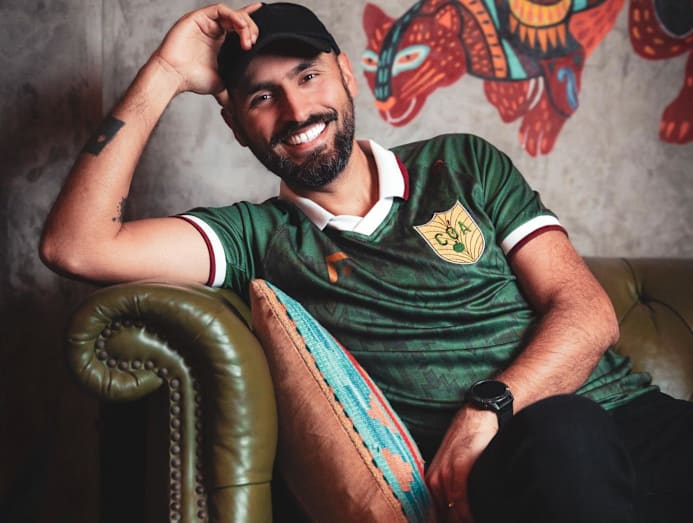
Jay Khan, founder of Coa in Hong Kong, agrees. “It’s not just about having a great drink anymore. Guests want tasty bites to go along with it. The vibe and design of the bar – that’s going to be the main conversation this year.”
Across generations, the shift is consistent: Consumers are drinking more thoughtfully. Chen observes that Gen Z is “less driven by drinking for the sake of alcohol, and more by how the place makes them feel.”
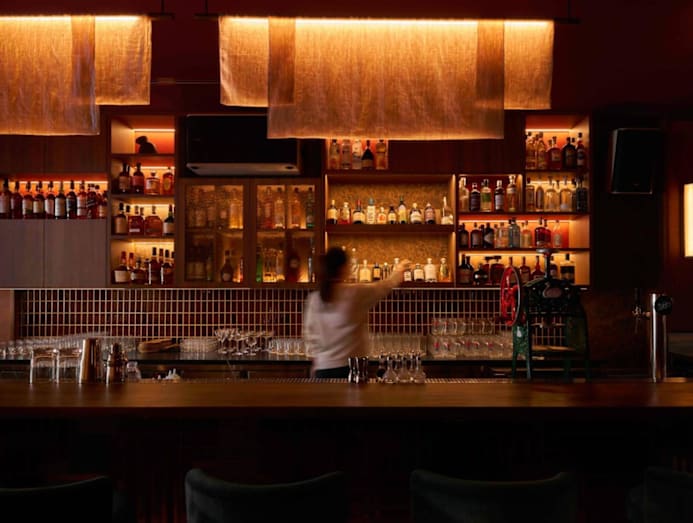
Bartenders of Pony, or BOP, Jigger and Pony Group’s new Korean-influenced bar, offers the full package. It is built around communal energy and a programme substantial enough to anchor a full evening. The food is curated by South Korean celebrity chef Jason Oh of Netflix’s Culinary Class Wars, while music from vintage vinyl sets the mood.
That fuller experience might mean lobster tacos at Manhattan in Singapore, Korean fried chicken at the newly opened BOP on Tras Street, live piano music at Le Chamber in Seoul, or mortadella sandwiches at Bar Leone.
COCKTAIL TOURISM IS BOOMING
There was a time when travel itineraries were built around restaurants. Increasingly, bars are earning a place of their own.
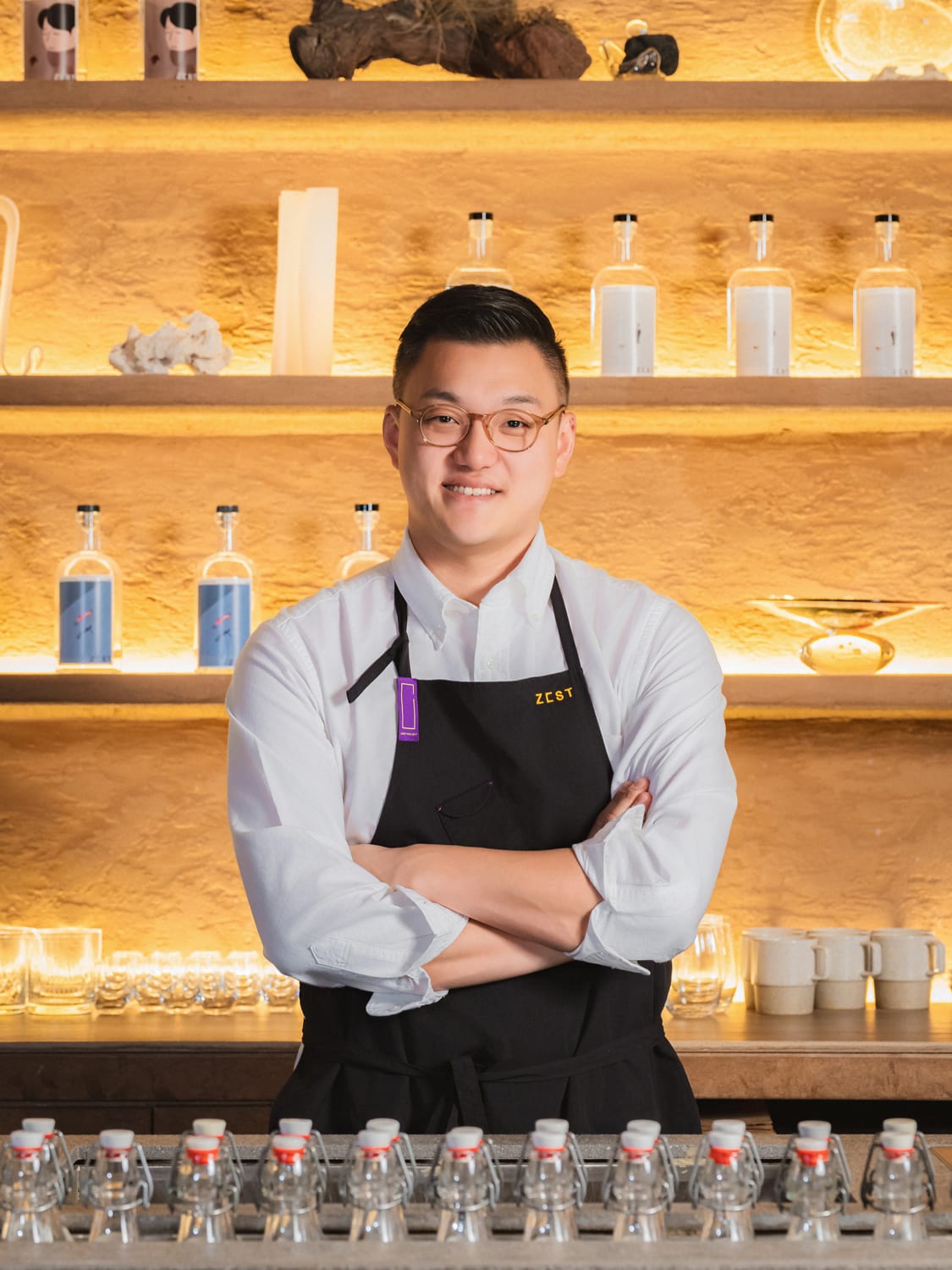
“Many guests travel not only to find restaurants, but specifically to visit bars in different cities and countries,” said Kim. He added that mixology tourism is no longer concentrated in a few hubs, but is spreading more broadly across the region. Zest and the 10 other bars in Gangnam’s tight-knit bar district draw a steady stream of international visitors.
In Kuala Lumpur, Jon Lee, founder of Penrose, says that in peak months, more than 60 per cent of his guests are tourists who come specifically to drink their way around the city. In Taiwan, Chen also notes a significant rise in overseas visitors, a pattern that accelerated after Vender was included in Asia’s 50 Best Bars.
The list has influence, but other forces are also at play. Travellers want to explore the unknown, and guides such as Asia’s 50 Best, China’s RedNote or Little Red Book, and social media are shining a light on lesser-known bar cultures that might otherwise take years to discover. There is also an economic logic to it. “Singapore loses a few ‘cocktail-focused’ travellers due to hotel and alcohol prices in the city,” said Bursik. “Cities like Bangkok, Jakarta and Ho Chi Minh City are thriving now because tourism is more affordable.”
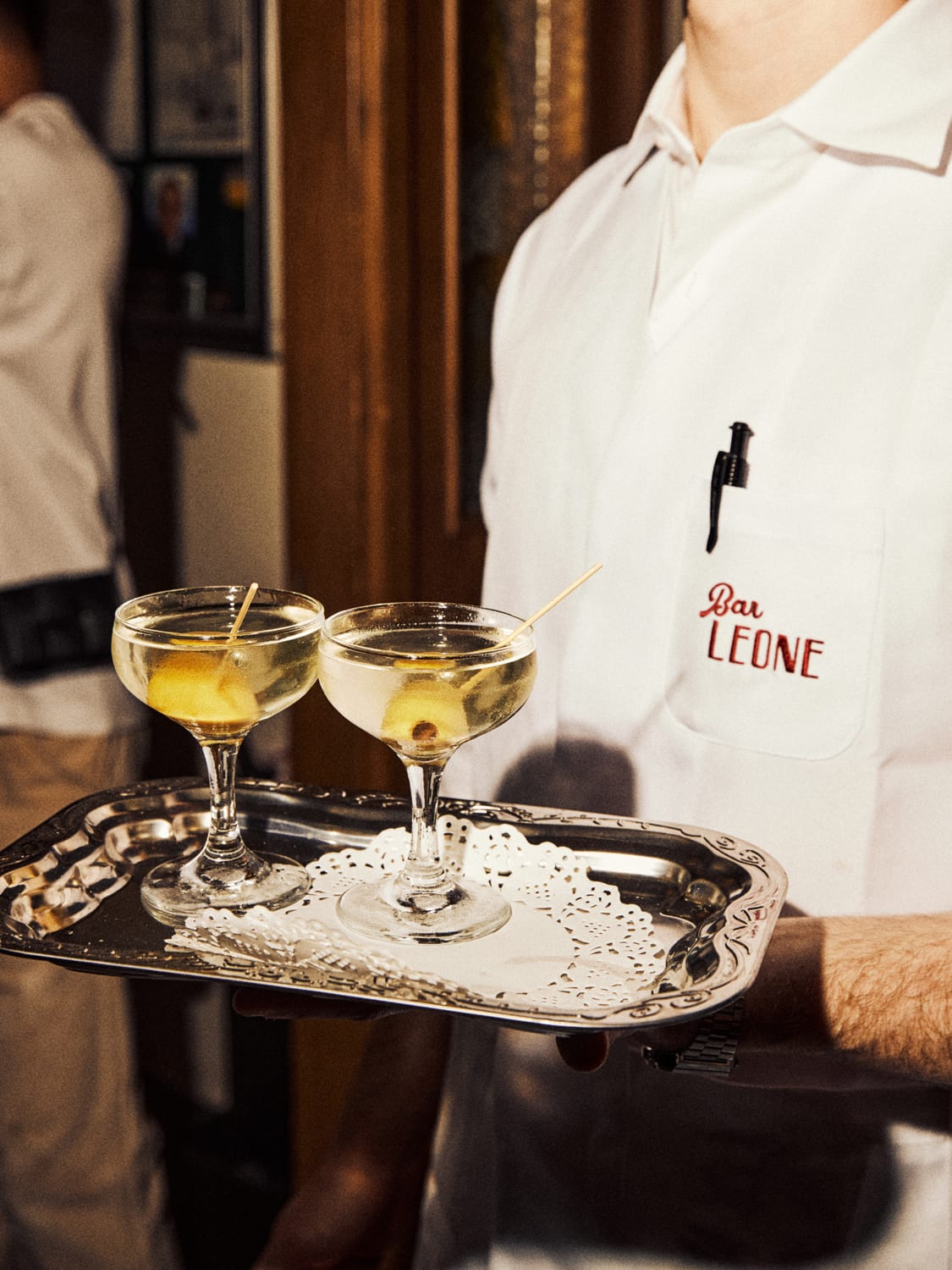
Khan has experienced the pulling power of the 50 Best list first-hand during the three years Coa ranked No. 1 on Asia’s 50 Best Bars list – 2021, 2022 and 2023. “Asia’s and World’s 50 Best have had a significant impact on mixology tourism,” he said. “This trend is expected to remain strong in 2026 and in the years to come.”
Lorenzo Antinori, co-founder of Bar Leone, sees something bigger ahead: “The distinction between venue and brand is increasingly blurred as bars extend their reach through pop-ups, festival activations, takeovers and experiential collaborations.”
CONSUMERS ARE SETTING THE NEXT TREND
Trends now flow both ways. Minakshi notes a generational shift. “Ten years ago, we were setting the trends. Today, our guests are dictating them.”
Forward-thinking bars are listening – opening earlier for early diners, designing more accessible menus, creating concepts that do not require lengthy explanation, and building more inclusive experiences.