From Peking duck to pasta and cocktails: 7 spots to eat and drink in Beijing
The Chinese capital’s dining scene continues to evolve with new openings and revitalised icons.
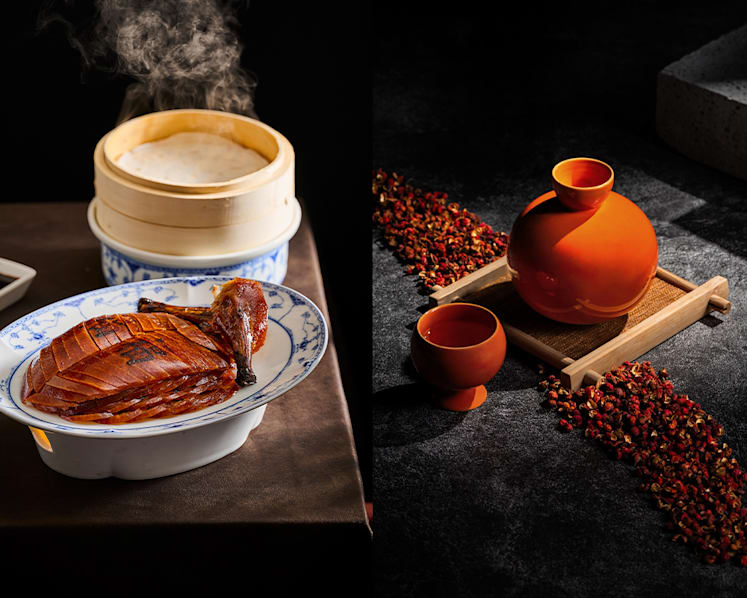
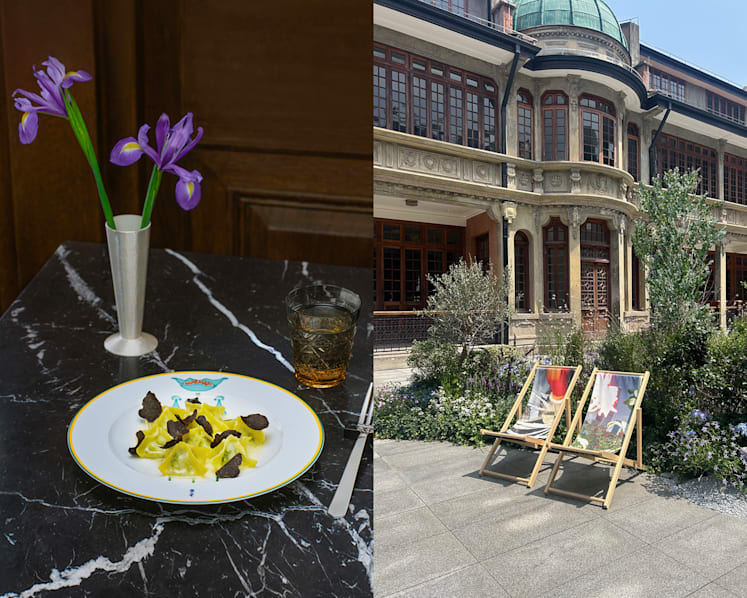
Beijing's offerings are keeping up with global dining trends while shaping its own distinctive, compelling and tasty narratives. (Photos: Gui Temple & Tiao)

This audio is generated by an AI tool.
Beijing is a food lover's paradise, home to some of the best regional Chinese cuisines, including the iconic Peking duck, which one shouldn't leave the city without trying. Western casual concepts, fine dining, and inventive cocktail culture continue to thrive as a new generation of restaurateurs pushes boundaries with creative twists on regional Chinese cuisine, handmade pasta, and innovative cocktail bars that blend storytelling with technique and creativity, referencing Beijing ingredients and culture.
The city's culinary landscape continues to evolve, leaning towards pocket-friendly, casual “vibe dining” with creative menus. There is a quiet confidence that Beijing's food and drink culture can be both deeply rooted in its heritage and boldly innovative, and the capital’s offerings are keeping up with global dining trends while shaping its own distinctive, compelling and tasty narratives.
GUI TEMPLE
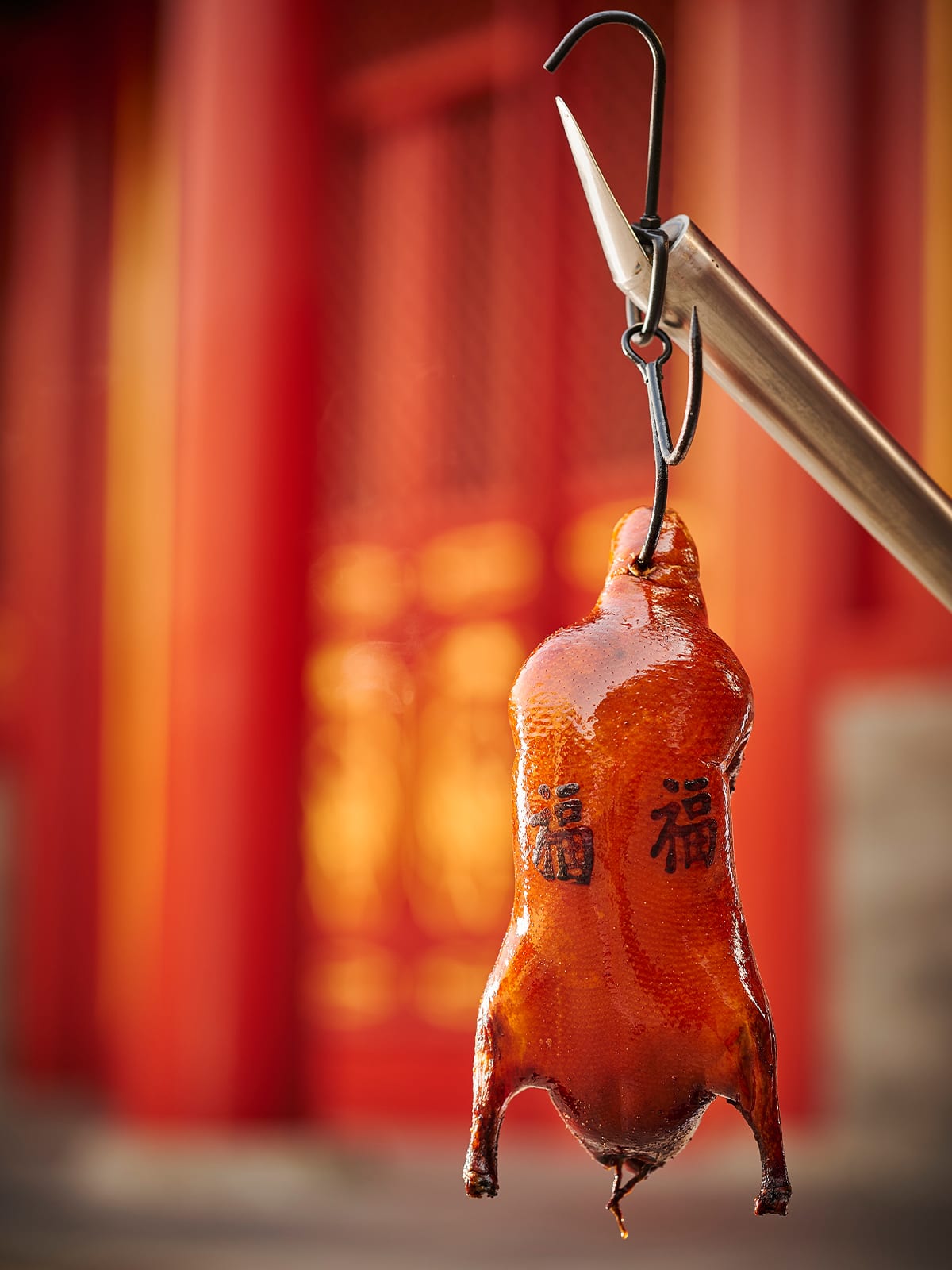
Located on the central axis of Beijing's grid layout, Gui Restaurant serves refined Beijing cuisine within the 700-year-old former Hong'en Temple – a space that later became an industrial factory in the 1950s, and now offers stunning views of the Bell Towers. The menu features modern Chinese cuisine and a comprehensive wine-and-tea pairing list. Here, the Peking duck is roasted over fruitwood and served with a creative twist: thin rice paper replaces traditional wheat pancakes, and Chaoshan sugar scallions and a candied, crushed sesame-and-peanut garnish accompany the crispy duck. The duck’s second service is a comforting bowl of slow-cooked duck congee, rather than the typical minced duck with lettuce or duck soup.
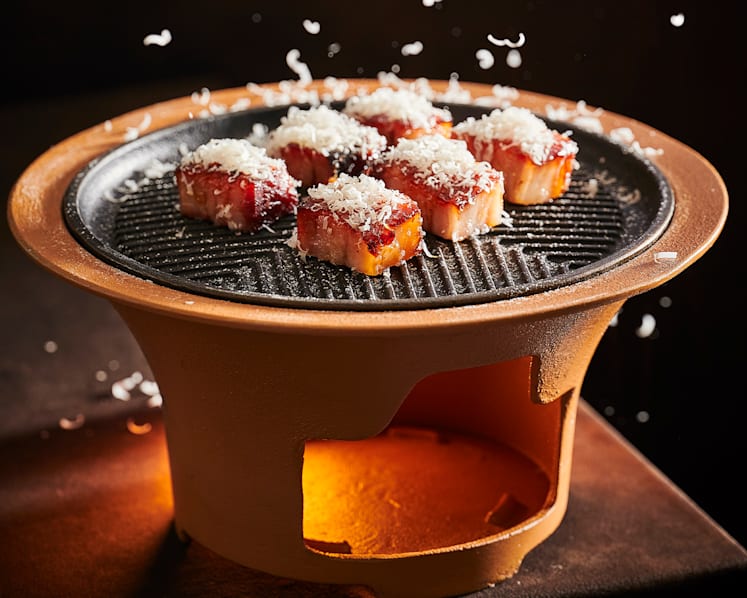
The menu is seasonal, with several signature dishes: we loved the five-spiced chestnut foie gras, and the traditional scallion oil braised sea cucumber is a party in the mouth with beautiful depth and texture, perfect with a bowl of white rice. We tried the signature dish of yellow croaker, its belly stuffed with crab roe in a rich, delicious soup, but found it tedious to eat with its bones – not for a fish novice. Across from the restaurant's courtyard is a coffee shop and bookstore, both worth a visit after the meal. I also recommend a post-meal stroll through the historic hutongs by the Bell Towers.
Beijing Central Axis. Doufu Chi Hutong, Dongcheng District
UH-HUH BAR
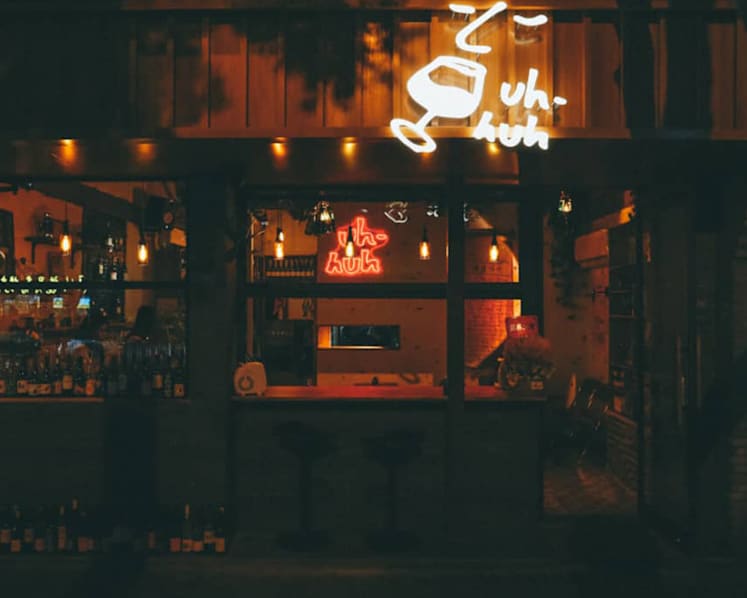
For vibe dining, Uh-Huh Bar, tucked away in the hutongs, is a must-visit. The bar was slated to close last November, but managed to renew its lease. The wine bar offers an interesting selection of old- and new-world wines, including Chinese, natural and biodynamic wines. Sharing plates include artisanal cheeses and standout favourites such as Cacio e Pepe with century egg. Uh-Huh bar is a concept by Shanghai native Sophie, who wanted to create a space for “good wine, good food and good vibes”. The bar is a cosy spot for conviviality, conversation and discovery, with live DJ music and a constantly evolving wine list.
146 Jiaodaokou South Street
TANGLED
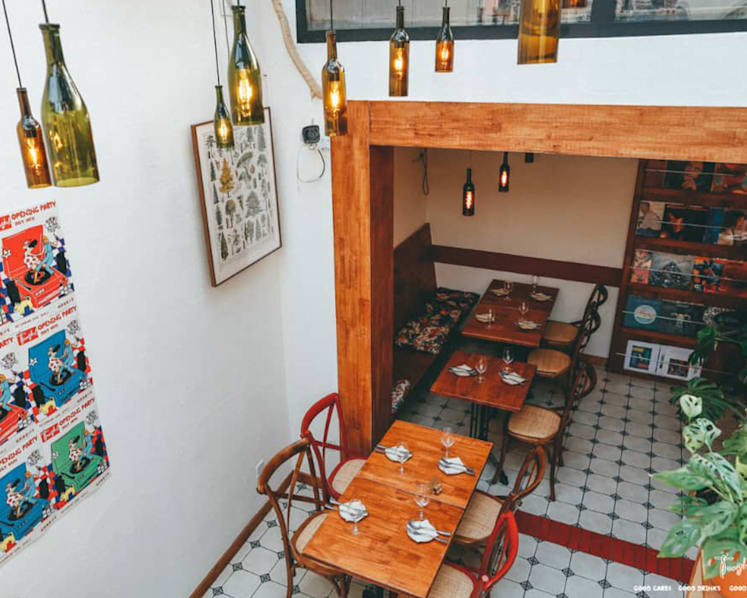
This pasta bar is a sister concept of Uh-Huh and offers a playful, modern take on handmade pastas. Tangled features a Mediterranean-inspired menu, focusing on pastas with a twist and ingredient-driven cocktails. On the menu, there is Wagyu Bolognese done two ways: classic or Yunnan-style, the latter with a tamarillo chilli sauce. Another crowd favourite is the Prawn & Sea Urchin Pasta, with suggested cocktail pairings like the Nori (gin, sesame, seaweed) or The Herbalist (gin, dill, green capsicum).
20 Banqiao Nanxiang Dongcheng District
LAMDRE
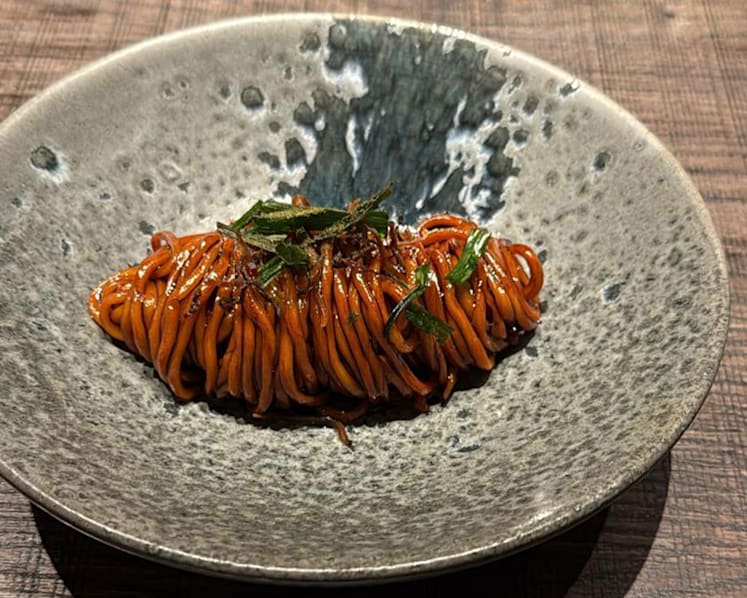
Ranked No 50 on Asia’s 50 Best Restaurants 2025, the two-Michelin-starred vegetarian restaurant features minimalist interiors and wabi-sabi aesthetics, creating a pocket of stillness in the busy Sanlitun area. The menus are seasonal, focusing on the natural flavours of Chinese ingredients executed in a modern way. The cooking is clean and focused, technique-driven, bringing out the best in plants through fermentation, pickling, wood-fire char and smoking, and simmered stock reductions, highlighting the essence of the plant-based ingredients.
There are two menus to choose from: the classic and the signature. They were very kind to offer flexibility for my five-year-old, and let us order a few dishes from the tasting menu for him. We were given a cosy private dining room and started on the classic menu, titled Flavours Of Nature, which is made up of 11 courses. The table off the last course of a bowl of scallion oil noodles with shiitake mushrooms before dessert.
Room 01, 1F, Block 14, Courtyard 4, Gongti North Road, Chaoyang District
MADE IN CHINA
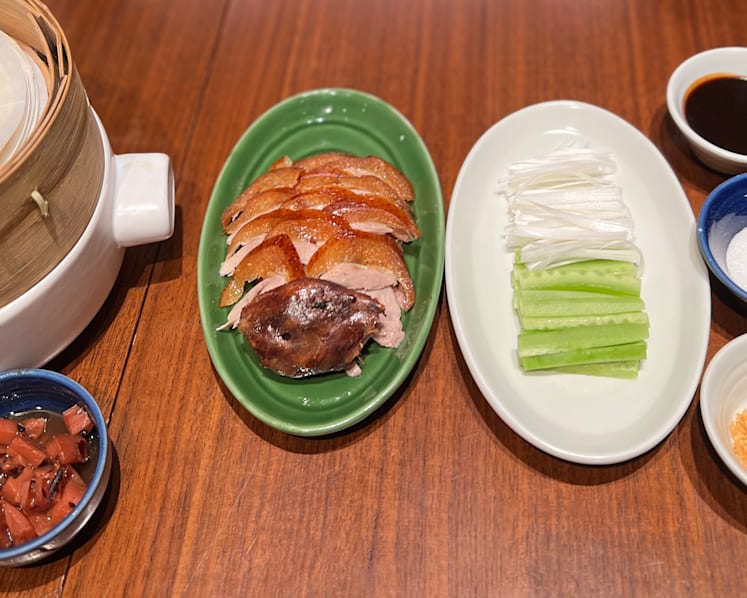
Made in China at the Grand Hyatt is best known for its Peking duck, roasted over fruitwood. Head chef and Beijing native Li Dong joined the team in August 2024 after helming a one-Michelin-starred restaurant (known for its Peking duck) for five years and has since added his innovative, modern take on traditional dishes to the menu, including new seasonal offerings and signature dishes such as crispy fried lamb ribs and braised yellow croaker with scallion sauce. Other highlights we loved: the sweet-sour tamarillo with crushed peanuts, dusted with century-old plum powder, honey-glazed king prawns, and a decadent, crispy pan-fried pancake with minced beef and leek.
1 East Chang'an Avenue, Dongcheng District
A BAR OF CRAYON
Opened in April 2025 and helmed by former Union Bar mixologists Xu and Fan, A Bar of Crayon brings colour and fun to modern cocktails in its multi-level space. It has a busy calendar marked by world-renowned guest shifts and a focus on lesser-known Chinese ingredients from sorghum-based spirits to Baijiu, fermented fruits, Chinese vinegars and teas.
True to its moniker, the drinks are colourful and visually striking, tied to playful artistic narratives. Inspired by crayon art, the mixologists incorporate Chinese ingredients into the classic mix, thoughtfully layering and expertly balancing them. Try the perfectly balanced Evergreen: Monkey 47 gin, pine needle, sour apple liquor, apple, sage, mastic, and lemon, and the Secret In The Mill, made with Havana Club rum, fried soybeans, Azacca, green mango, dragon well (tea) and oat milk.
N4-L33, Sanlitun Taikooli North (3rd floor Sanlitun North facing the new Louis Vuitton building), 19 Sanlitun Lu, Chaoyang District
TIAO @ MANDARIN ORIENTAL QIANMEN, BEIJING

The Mandarin Oriental Qianmen opened in one of Beijing’s oldest hutongs in September 2024, and its bar, Tiao, remains a hotspot in the capital. The two-floor hutong-inspired cocktail bar serves drinks rooted in local stories and Beijing flavours, with menus themed around the history of Caochang Hutong. Its name pays homage to its location in the hutongs “shi tiao”. A former grass depot that stored animal feed and hay over 600 years ago, expect forward-looking cocktails that blend Asian ingredients.
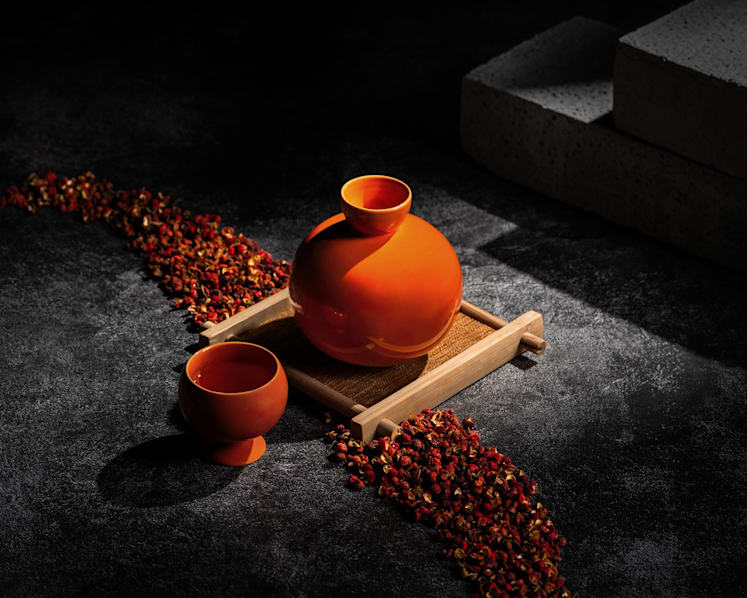
The cocktail menu is updated regularly, while classics remain on the beverage menu. Currently, their third cocktail menu, themed Worlds Apart, aims to weave Beijing into the global context, featuring cocktails with local flavours inspired by international ideas. A drink named after the location Caochang Hutong is a giddy mix of Michter’s American whiskey, wuliangye, Sichuan green peppercorn, jasmine, passionfruit, peach, Guizhou soursop, and soda water. A non-alcoholic cocktail, Tech Bubble, made with pineapple, bubblegum, citrus, and soap bark extract, was inspired by Mark Zuckerberg’s creation of Facebook to connect people globally. The Water Sleeves is a nod to Caochang Hutong’s history, where opera singers once resided in 1790, and is made with Perrier-Jouet Grand Brut Champagne, guava, gardenia, and lemon verbena.
No 1 Caochang Alley 10, Dongcheng District