Asia’s 50 Best Bars: Why smaller cities are claiming the spotlight
Bars in cities like Nara, Bengaluru, Hiriketiya and Kathmandu have been quietly stirring their own cocktail stories. Now they are taking their rightful place beside Asia’s cocktail capitals.
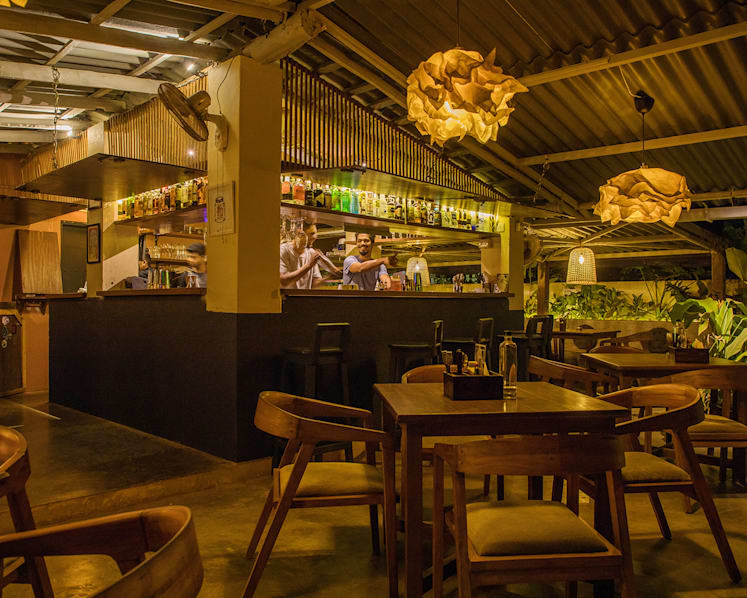
Asia’s 50 Best Bars list is no longer dominated solely by capitals like Singapore, Tokyo, and Hong Kong; emerging destinations such as Kathmandu, Goa, Jakarta, Kumamoto, and Penang are gaining recognition. (Photo: Hideaway)

This audio is generated by an AI tool.


Since launching in 2016, the Asia’s 50 Best Bars and its extended lists have been dominated by metropolises like Hong Kong, Bangkok, Singapore, Seoul and Tokyo.
But smaller cities are now making their presence felt as voters travel further afield and off-the-beaten-track to unique spaces that echo their surroundings. This year’s ranking is the most diverse yet, proving that great bars can exist not only in large, neon-lit cities, but also in remote places such as a beach or among mountains.
The Asia’s 50 Best Bars rankings are voted annually by over 300 expert members of the Asia's 50 Best Bars Academy, which is divided into four voting regions. Each region has an Academy Chair who selects a voting panel that is rotated annually to ensure a balanced selection of drink writers and educators, bartenders and cocktail enthusiasts.
There are 20 new entries among this year’s top 50, including 12 freshmen and eight that have moved up from the 51-100 list. Cities like Kumamoto and Shenzhen were represented for the first time, and bars from New Delhi and Guangzhou each scored one of the top 10 spots that are usually occupied by Singapore, Hong Kong, Bangkok, Seoul or Tokyo.
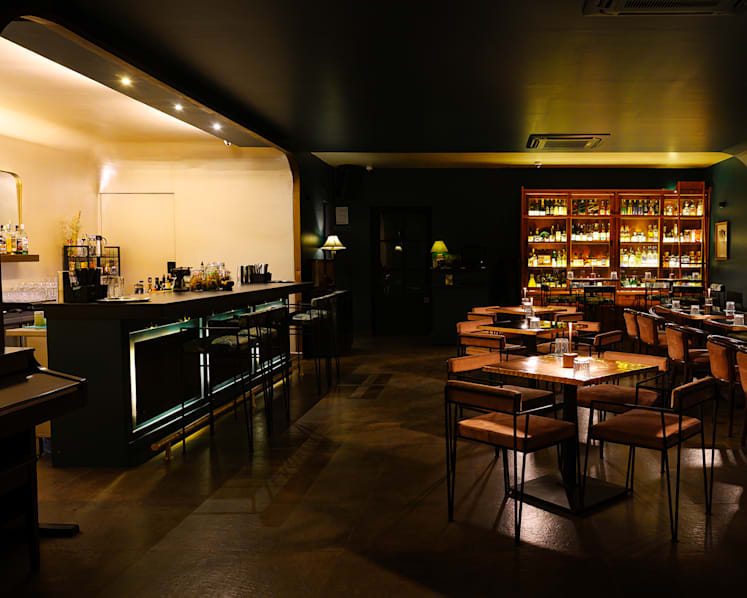
The Michter’s Art of Hospitality accolade also went to a speakeasy Barc in Kathmandu, breaking a monopoly held by Singapore thrice, and once each by Bangkok and Tokyo, since the award was launched in 2020.
This is not sounding the death knell to the stalwarts, but a celebration of variety on the Asian cocktail scene, said cocktail experts like educator and content creator Tariq Widarso and Ho Chi Minh-based F&B consultant Rey Winter.
Jakarta-based Widarso shared: “Coming from a ‘rising city’ myself, the emergence of these newer bar scenes is genuinely exciting to me. I’ve always appreciated when the status quo is challenged, and these cities are levelling the playing field. In many ways, they’re adding real spice to the list, bringing fresh perspectives, diverse concepts, and new voices into the spotlight.
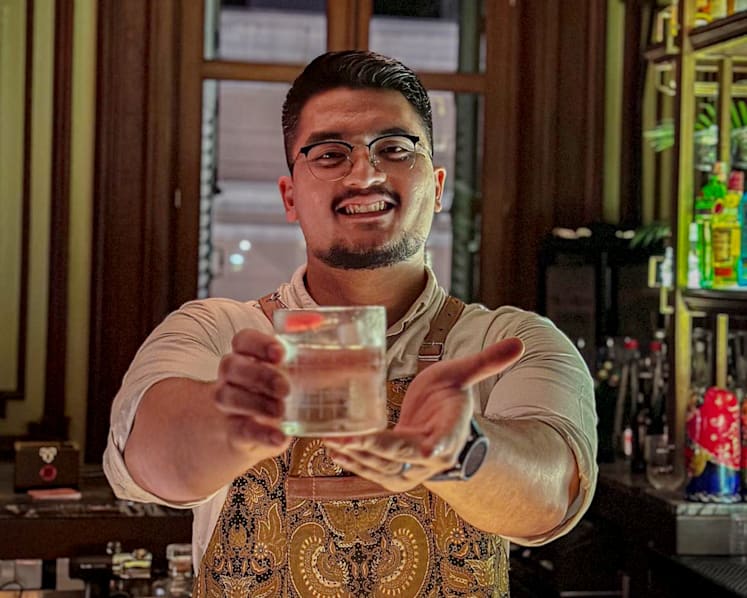
This year, Jakarta scored a record six spots — four in the top 50 (and all new entries at that) and two in the extended list. Despite being a predominantly Muslim city, its nightlife is more progressive than many presumed it to be, said Widarso. “A major turning point came post-pandemic, when interest in cocktail culture surged across the city. This led to the emergence of many independent cocktail bars, which in turn helped foster a stronger, more connected bar community and drinking culture.”
Winter echoed similar sentiments for Vietnam, pointing out new entry Hanoi’s Workshop14 (No. 83) and re-entrant Ho Chi Minh City’s The Enigma Mansion (No. 93) on the extended list as a harbinger of more exciting bars to come. Hanoi held its first cocktail week in February 2025 while Penang and Ulaanbaatar have been hosting their own for several years since 2022. Along with cities like New Delhi, Goa, Kolkata and Jaipur, they are bringing meaningful local expressions to the Asian map, said Winter.
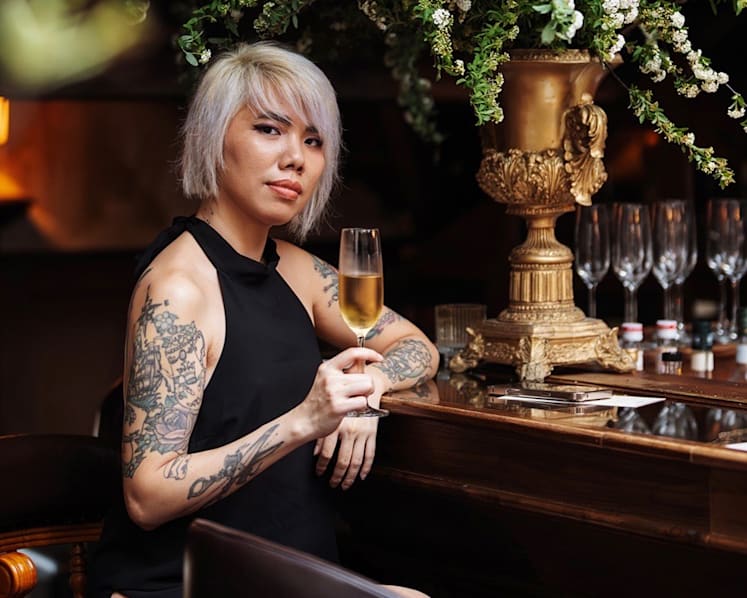
She said: “What connects all these cities is a sense of place. These bars don’t feel polished for the sake of prestige. They feel lived in and let guests tap into the local culture and culinary spirit beyond what’s in the glass.”
INDIA, NEPAL AND SRI LANKA: RISING FORCES ON A LOCAL MISSION
At Barc, which rose from No. 100 in 2023 to No. 35 this year, the naturally effervescent Nepalese hospitality is as embracing as its unique tipples. A popular winter digestive curd of spices, sesame and orange inspired an off-menu Orange Sadeko, while a spicy-tangy Bloody Nepali uses titaura, a well-loved Nepalese snack of dried fruits, spices and chilli powder. There are sections dedicated to cocktails using local spirits and ingredients such as ayla, a distilled fermented rice liquor and khattu, a sweet and tangy preserved fruit mix. The local scene has come a long way from people only drinking sodas and neat liquors, said Barc’s owner Abhishek Tuladhar. “A lot of bars in Nepal are starting to understand that we can look into our rich culture to have a unique concept of flavours.”
Priyankah Blah, who is the Academy Chair for India, Sri Lanka, Nepal, Bhutan and the Maldives, noted that it was a matter of time that the vibrant ingredients and flavours of the region’s cuisines would filter down to the local bars. Increased flight connectivity is also making the smaller cities more accessible.
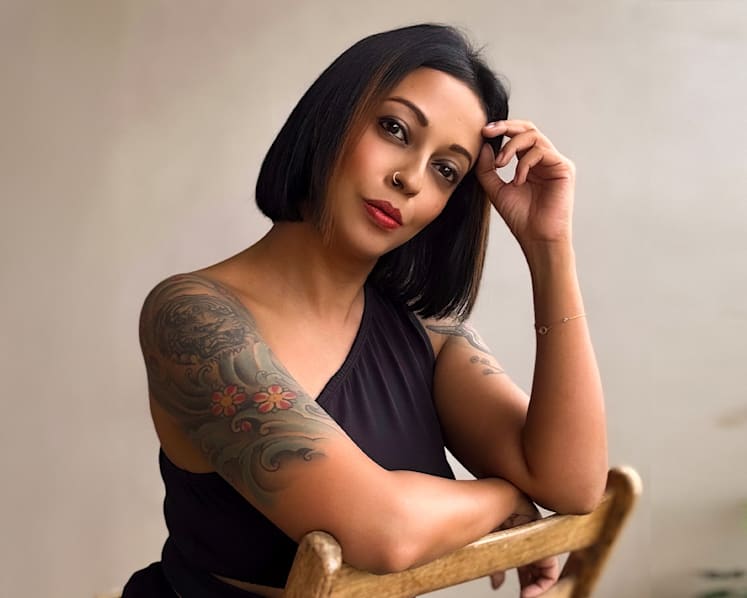
She said: “Today’s consumer is well-travelled, globally informed and equipped with a level of disposable income on par with international standards. This has empowered the F&B community to push boundaries and develop concepts and offerings that resonate as strongly with locals as they do with visitors.”
In India, New Delhi’s Lair rocketed 33 places from last year’s placing to No. 8 this year while the country’s Silicon Valley, Bengaluru, hit the billboard with three bars, including newcomers Soka (No. 28) and Bar Spirit Forward (No. 37). Kyoto-style ZLB23’s (No. 31) February 2023 opening in The Leela Palace Bengaluru hotel was a gamble in a city more well-known for its brewery scene. In 2024, it became the only Indian bar in the top 50 and climbed another nine rungs this year.
Suchismita Roy Chowdhury, ZLB 23’s bar manager, said: “Bengaluru’s cocktail scene is becoming more experimental, more collaborative, and increasingly rooted in Indian identity as we celebrate Indian flavours, spirits and craftsmanship. There's also a growing emphasis on seasonality and hospitality as an art form.”
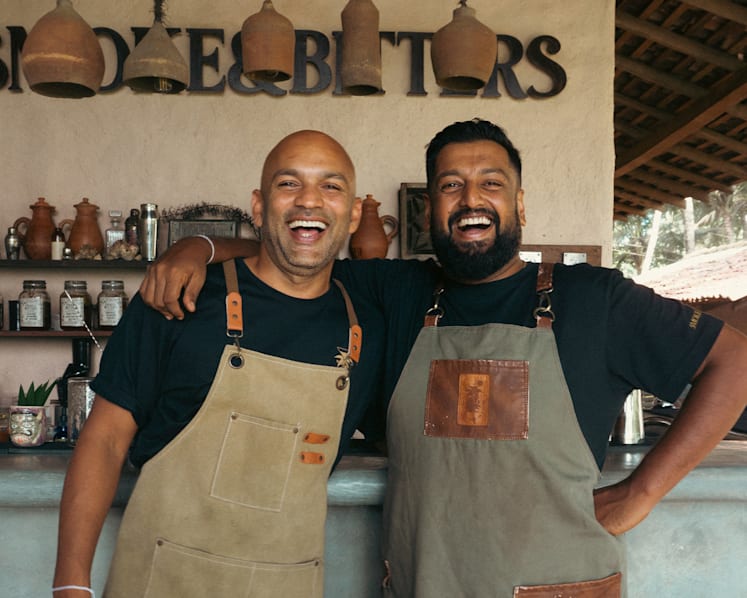
Six years ago, Hiriketiya was an unknown beach on Sri Lanka’s south coast, where shacks served cheap beers and arrack mixers. Then Smoke and Bitters appeared in 2020 with a smoking-delicious menu and smashing cocktails, and foodies started pinning it to their maps as it steadily rose from No. 91 in 2021 to its current No. 14 spot. Now, its founders Don Ranasinghe and Lahiru Perera have opened a second reason to traipse there — an arrack-focused concept Raa (No. 84).
Ranasinghe said: “People are more interested in trying new things and want to know where ingredients come from, the techniques and methods we use, and the stories behind the spirits and the flavours. At Raa, we’re looking deeper into what is possible with seasonal ingredients and coconut spirits and how to take our unique spirit, arrack, to the world.”
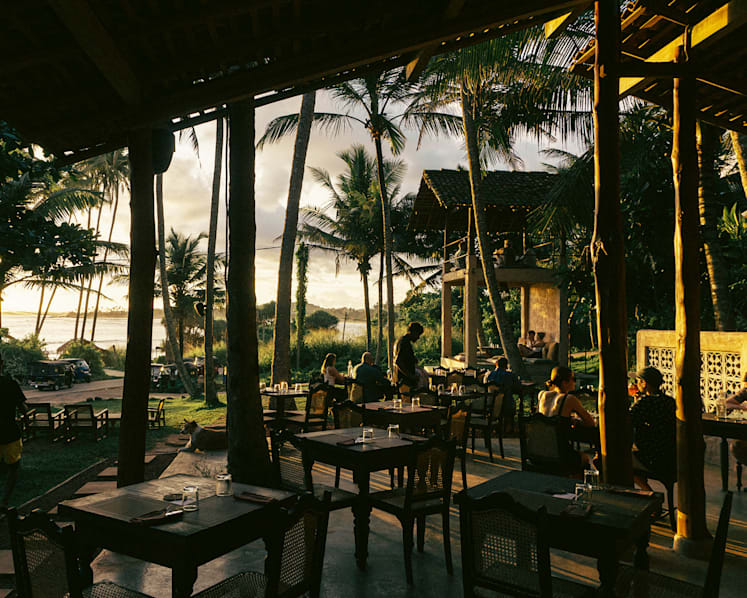
In India’s Goa, the pandemic and the sudden growth of local craft gin brands sparked an adventurous spirit in the locals. Now, camaraderie is accelerating recognition as local bartenders drive customers to worthy spots.
Sheldon Abranches, co-owner of Hideaway (No. 94) said: “Goa had a very strong drinking culture, it just didn't translate to cocktails. We started to notice that people no longer wanted to just have a drink, they wanted to try and experience something new and different.”
When neighbourhood bar-restaurant Tesouro landed No. 4 on the 2022 list, founders Arijit Bose and Pankaj Balachandran, who have since left the venture, realised that Goa might just have what it takes to be a global cocktail destination.
However, in the ensuing years, Balachandran noticed that the local F&B scene was veering towards the upscale and stylised. Last year, he co-founded Boilermaker in Siolim, a riverside village in North Goa, “to push back against that, to give people a space that’s easy-going but intentional, rooted in the Goan spirit without feeling performative”. This year, the bar built around feni cocktails, chorizo peanuts and a neighbourhood vibe punched in at No. 30. Balachandran has plans for more openings that “push boundaries while staying rooted in the spirit of Goa”.
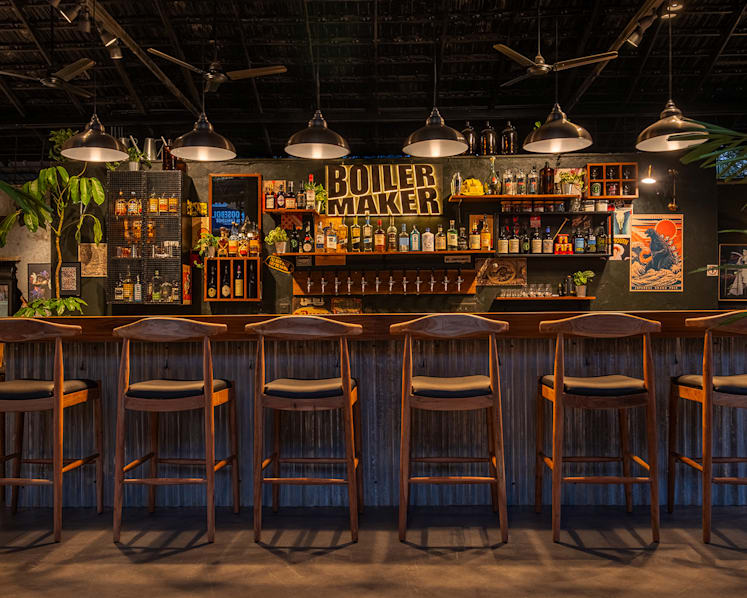
Meanwhile, Bose co-founded Bar Outrigger (No. 55) and Bangalore’s Bar Spirit Forward. The former was “not meant to work out as it was not easy to find, no parking, not in a busy part of the state and guests would have to walk a bit to get to us”. But its rum-focused concept and emphasis on local clientele instead of tourists became a winning formula.
Bose shared: “India traditionally does not have spirit-focused bars or category bars due to distribution and import limitations, and a lack of trust from owners towards specialised bars, so everyone likes doing everything. Outrigger was a first of its kind with rum and people seem to enjoy it.”
JAPAN: THE INIMITABLE ART OF OMOTENASHI
Japan’s rising charm lies in a colourful cocktail scene that reflects its respective regions. Academy Chair for Japan Nicholas Coldicott explained: “Tokyo is vast and varied. Bars in Osaka or Fukuoka tend to be more casual, with a warmer energy. Kyoto is more about elegance and subtlety, often rooted in Japanese aesthetics.”
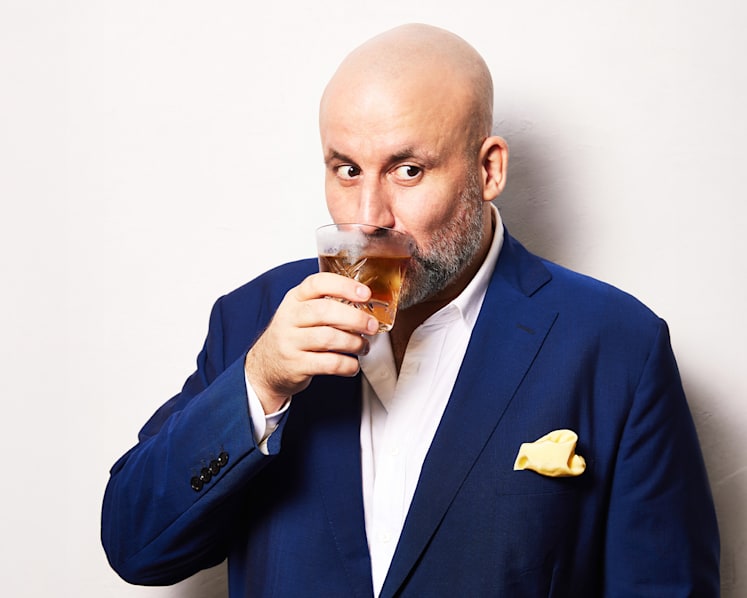
Yakoboku, for example, is a 15-seater from Kumamoto that slid in at a highly respectable No. 25. Located on the island of Kyushu, it is one of “those deeper cuts with a rich food and drink culture, and a slower pace that appeals to seasoned travellers looking for something beyond the obvious,” said Coldicott. Nara’s Lamp Bar (No. 6) also re-entered the list and Osaka had two representatives on the extended list, Craftroom (No. 58) and debutant Bar Nayuta (No. 100).
Talented bartenders obviously played a part. Coldicott pointed out that Yakoboku, Lamp Bar, Craft Room and Sailing Bar are run by bartenders who have won Japan’s Diageo World Class title. He said: “So it either reflects the importance that people place on trophies, or perhaps the fact that you can’t win those trophies unless you’re very, very good.”
Then there is omotenashi, the Japanese concept of hospitality that few can put a finger to, even for Coldicott who has lived in Tokyo for 26 years. He recalled how one bartender showed him how he would stand in a bar to facilitate or break up a conversation between guests without ever saying a word to either of them — and the guests were none the wiser. He said: “Omotenashi is about wholehearted hospitality, where something as seemingly meaningless as how to put a knife down after you use it, can affect the experience of the guest.”
A CHINESE RENAISSANCE
In the region of Mainland China, Hong Kong, Taiwan and Macau, Hong Kong remains the leading city with six spots on the list. But bars in Taiwan and China are catching up. Guangzhou’s Hope & Sesame (No. 7) achieved its highest ranking in six years while Changsha’s CMYK leapfrogs 27 spots to No. 16. Meanwhile, new players like Taipei’s To Infinity & Beyond (No. 41) and Tainan’s Moonrock (No. 42) are inching in with Shenzhen newbies MO Bar (No. 21) and Obsidian Bar (No. 51) close behind.
The cocktail culture in these cities vary widely, as factors like spending power, labour regulations and liquor taxes influence consumption.
The region’s Academy Chair John Ng observed in Hong Kong, collaborations with chefs, lifestyle brands and overseas bars abound. Bartenders also have to balance trends with bespoke service to stay relevant in a city of high rental and labour costs.
In China and Macau, hotels are starting to pay more attention to their bar programmes, especially in the latter where “the industry is working very hard in the past few years to make a name everywhere”, said Ng.
Taiwan, which started off largely inspired by Japanese bartending culture and an emphasis on classic cocktails and high-quality spirits, is now stepping on the experimental accelerator to great success. Ng said: “Taipei will still have the most bars but the fact that Taiwan’s best bar is in Taichung (Vender, No. 20) is spurring the whole industry to work harder.”
SOUTHEAST ASIA: A MIX OF UNIQUE RHYTHMS
In Asia’s most diverse region, a new energy is shining from Penang to Phnom Penh even as it holds the distinction of having the most bars with a 10-year record of being on the list: Singapore Jigger & Pony (No. 3), Tokyo’s Bar Benfiddich (No. 9), Bangkok’s Vesper (No. 29) and Seoul’s Le Chamber (No. 50).
Rachel Tann, who is the Academy Chair for Southeast Asia and Korea, said: “Southeast Asia is in a dynamic phase of experimentation. It is going beyond importing trends to defining cocktail culture on its own terms.”
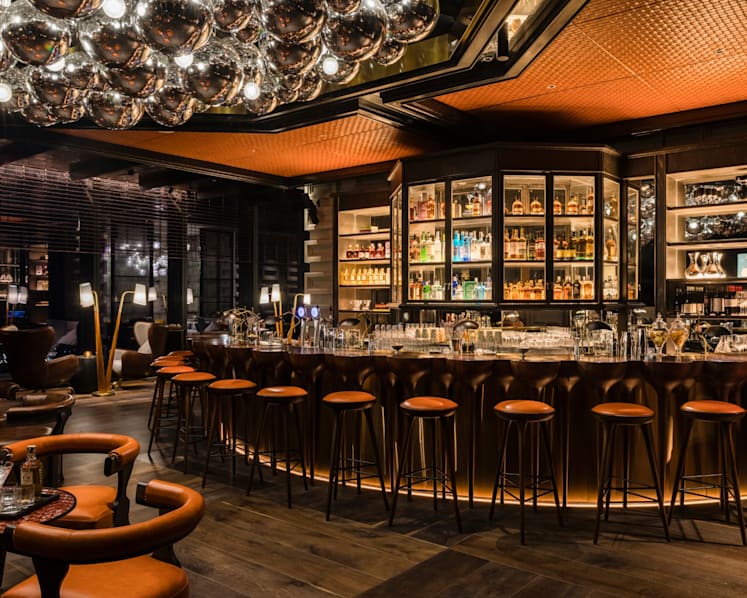
The rise of bars from “non-traditional” cities like Hanoi’s Workshop14, Phnom Penh’s Sora, and Muntinlupa City’s Southbank Cafe + Lounge reflects a broader shift in Asia’s evolving bar culture, where it is no longer only the foodies who are seeking out hidden gems. Tann said: “Today, a new generation of curious and well-travelled bar connoisseurs is eager to discover standout concepts beyond the usual hotspots.”
But it isn’t a comparison game. Winter summed it up: “It’s about recognising the richness of both ends of the spectrum. The capitals bring depth and legacy. The newer cities bring fresh vision and space to grow. Together, they’re making Asia more exciting than ever.”